UN Declares Russia's Deportation of Ukrainian Children a Crime Against Humanity

The UN Commission of Inquiry formally declares Russia's systematic deportation of 1,205 Ukrainian children a crime against humanity, establishing grounds for ICC prosecution and marking a major escalation in legal accountability.
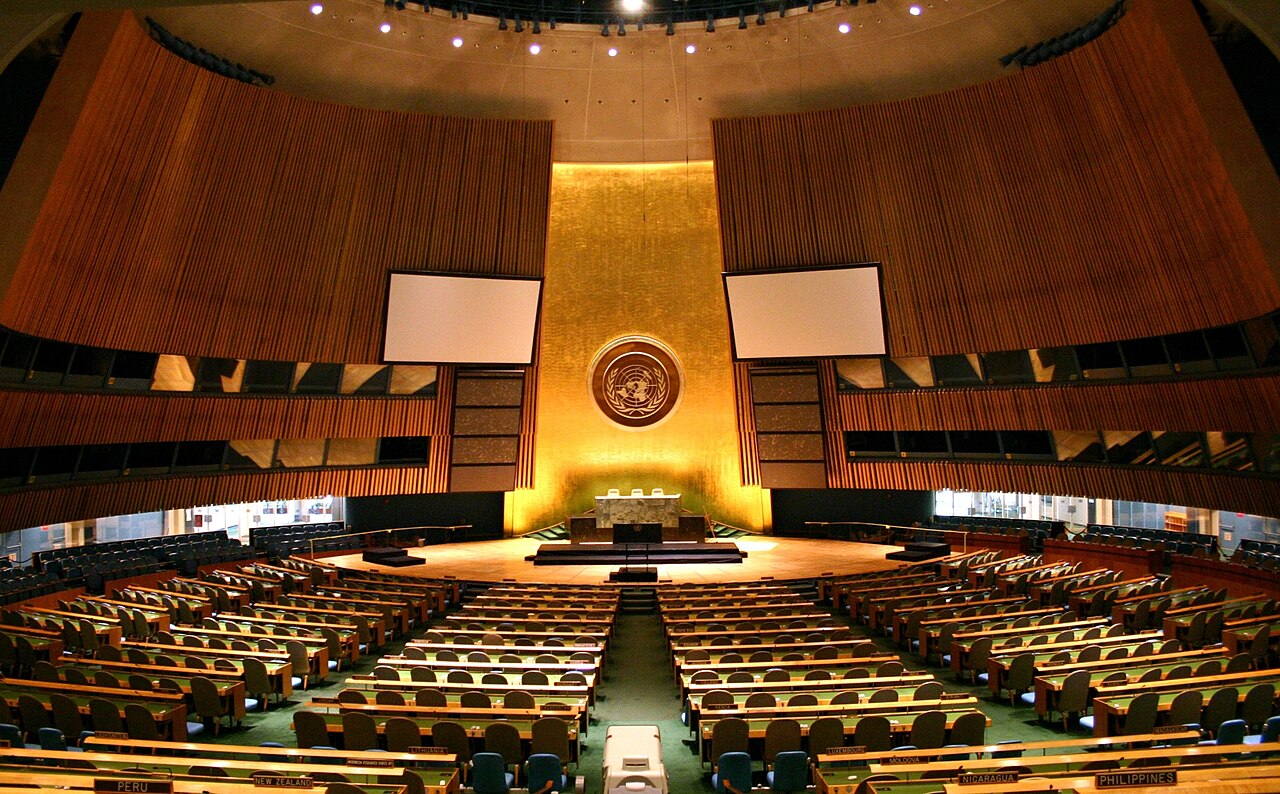
NEW YORK – In a landmark decision with profound implications for international accountability, the United Nations Commission of Inquiry on Ukraine has formally declared Russia's systematic deportation of Ukrainian children a crime against humanity. This determination, released in a comprehensive report spanning over 400 pages, represents the most serious legal assessment to date of Moscow's actions in Ukraine and opens new avenues for prosecution at the International Criminal Court.
The Commission's findings are unequivocal: Russian forces have systematically abducted and deported at least 1,205 Ukrainian children to Russian territory, separating them from their families and subjecting them to forced assimilation programs. The report documents a deliberate pattern of conduct designed to erase Ukrainian identity and integrate these children into Russian society—a practice that constitutes a crime against humanity under international law.
The scale of the deportations is staggering. According to the UN investigation, Russian military and security forces have operated a coordinated system of abduction, with children as young as five years old torn from their families. Many have been placed in Russian orphanages, military camps, or with Russian families, often with their identities altered and their Ukrainian heritage systematically suppressed. The psychological trauma inflicted on these children is immeasurable, and many may never be reunited with their families.
By classifying the deportations as crimes against humanity, the Commission has established a basis for criminal prosecution at the International Criminal Court. Russian officials, military commanders, and administrators involved in the deportation scheme could now face indictment for one of the most serious violations of international law.
The report specifically implicates high-ranking Russian officials in the deportation apparatus. It documents the involvement of the Russian Ministry of Defense, the FSB security service, and regional administrators in coordinating the abduction and relocation of Ukrainian children. The Commission concludes that these actions were not isolated incidents but rather part of a systematic policy directed from Moscow.
This is not a matter of individual soldiers acting without orders. The evidence demonstrates a coordinated, state-sponsored program of child abduction and forced assimilation. The responsibility extends to the highest levels of the Russian government.
For Ukraine, the UN determination represents both a vindication and a call to action. President Volodymyr Zelensky has pledged to pursue every legal avenue to hold Russia accountable and to locate and reunite every deported child with their families. The Ukrainian government has established a dedicated task force to identify deported children and facilitate their return.
The international community has largely condemned Russia's actions. The United States, European Union, and numerous other nations have called for Russia's prosecution at the International Criminal Court. However, Russia's permanent seat on the UN Security Council provides it with veto power over any ICC referral, complicating efforts to bring Russian officials to justice through the UN system.
Despite these obstacles, the UN's determination has strengthened the legal case against Russia and provided a foundation for national and international prosecutions. Several countries have indicated their willingness to pursue cases against Russian officials under universal jurisdiction principles, allowing them to prosecute crimes against humanity regardless of where they were committed.
Related Reports
Ukraine and Russia Accuse Each Other of Breaching Easter Ceasefire as War Enters Fifth Year
Orban Era Ends: Hungarian Prime Minister Defeated in Historic Election by Peter Magyar