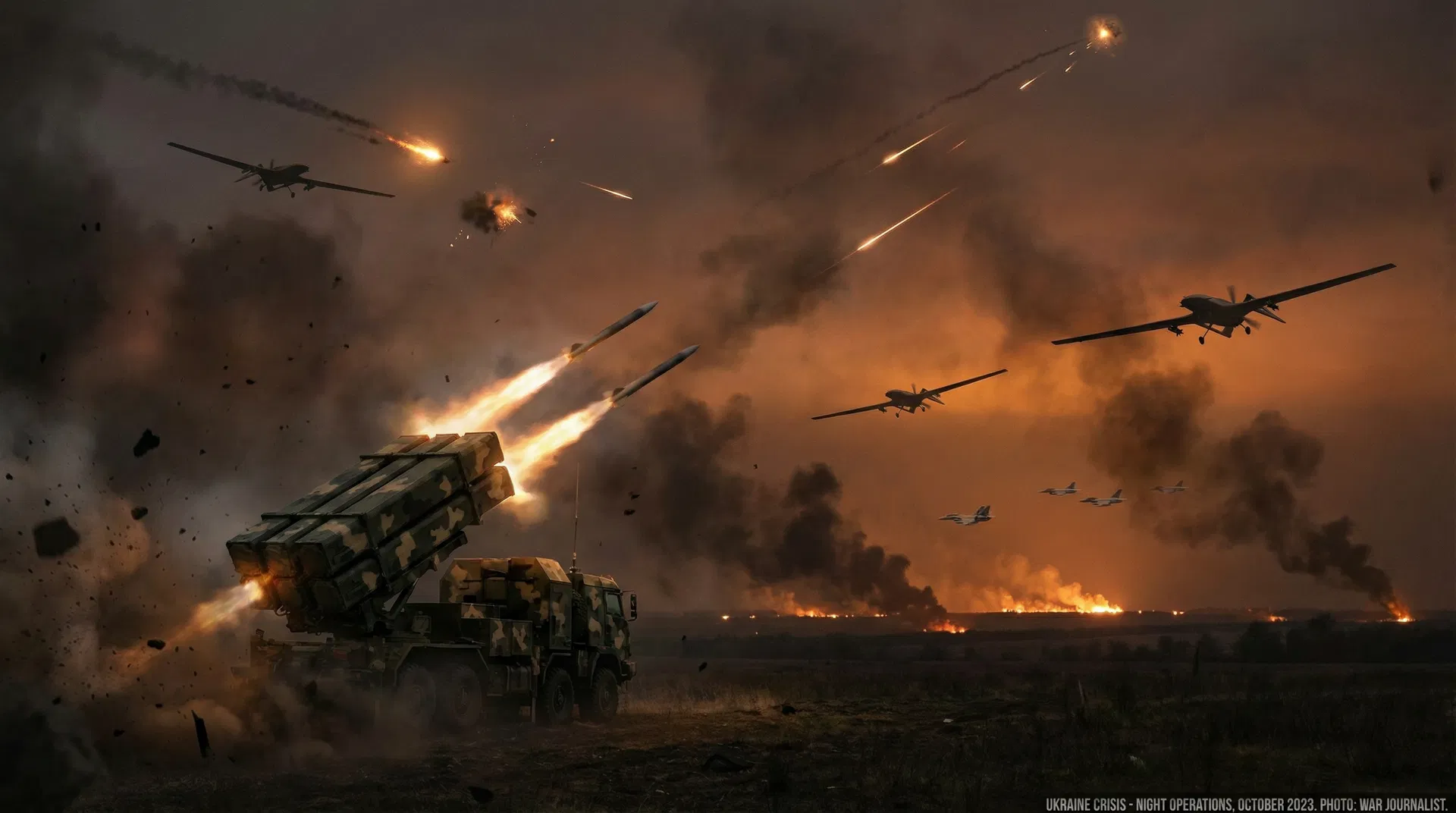
G7 Ministers Confront Dual Wars in Iran and Ukraine Amidst Deepening Divisions
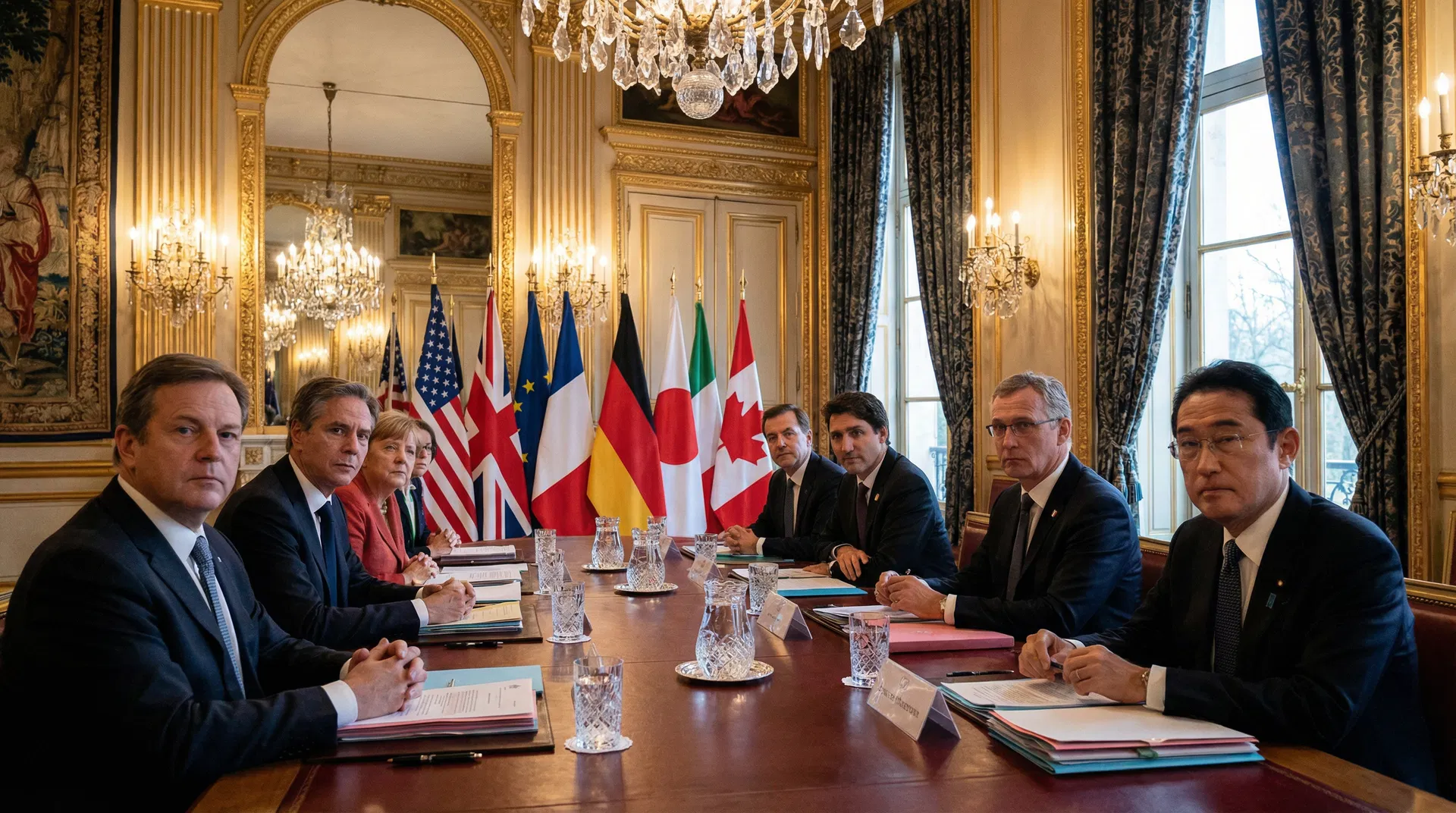
G7 foreign ministers are meeting in France to address the wars in Ukraine and Iran, but the talks are overshadowed by deep divisions and a lack of trust in the United States' leadership. European nations are pushing for a more coordinated and predictable approach to both crises, while the US continues to pursue a more unilateral path.
A HOUSE DIVIDED
Foreign ministers from the world's leading Western democracies convened in a restored 12th-century abbey near Paris this week, but the historic setting could not mask the deep fractures within the G7. The wars in Ukraine and Iran have created a dual crisis, and the allies are struggling to find common ground on how to respond. The United States, under the unpredictable leadership of President Donald Trump, has become a source of instability, leaving European and other allies scrambling to adapt to abrupt policy shifts.
The two-day meeting at the Abbaye des Vaux-de-Cernay has been marked by a palpable sense of tension. European officials have voiced growing frustration with Washington's go-it-alone approach, which they fear is undermining transatlantic security and the international order. Thomas Gomart, director of the French Institute of International Relations, noted that the US has become a "destabilizing element" for the entire international system.
So significant are the divisions that officials have reportedly abandoned the idea of a comprehensive final communiqué. This rare move signals the depth of disagreement on key issues, from the handling of the Iran conflict to the strategy for supporting Ukraine. The absence of a unified statement speaks volumes about the current state of the G7 and the challenges of coordinating a response to global crises.
THE IRANIAN QUAGMIRE
The war in Iran and the subsequent closure of the Strait of Hormuz have sent shockwaves through the global economy. With roughly a fifth of the world's oil supply choked off, energy security has become a paramount concern. Allies are pressing US Secretary of State Marco Rubio for clarity on American and Israeli military operations in Iran and whether any diplomatic off-ramps exist to de-escalate the conflict.
The G7 has invited ministers from major economies like Brazil, India, South Korea, and Saudi Arabia to join the discussions, a recognition that the Iran crisis requires a broader international response. These nations are particularly vulnerable to the economic fallout from the conflict and have a direct stake in finding a resolution.
THE UKRAINE CONUNDRUM
While the Iran crisis dominates headlines, the war in Ukraine remains a critical concern for the G7. European officials are particularly worried that the US, in its eagerness to engage with Moscow, might push Kyiv into an unfavorable peace deal, especially with US midterm elections on the horizon. The fear is that a premature settlement could embolden Russia and undermine Ukraine's sovereignty.
European nations are advocating for a strategy of sustained pressure on Russia through sanctions, continued military support for Ukraine, and the protection of its energy infrastructure. Ukraine's foreign minister is also in attendance, a clear sign of the G7's commitment to consulting with Kyiv. An Italian diplomatic source emphasized the need for "firm support for Kyiv and for U.S. mediation efforts, stressing the need to maintain strong pressure on Moscow through sanctions."
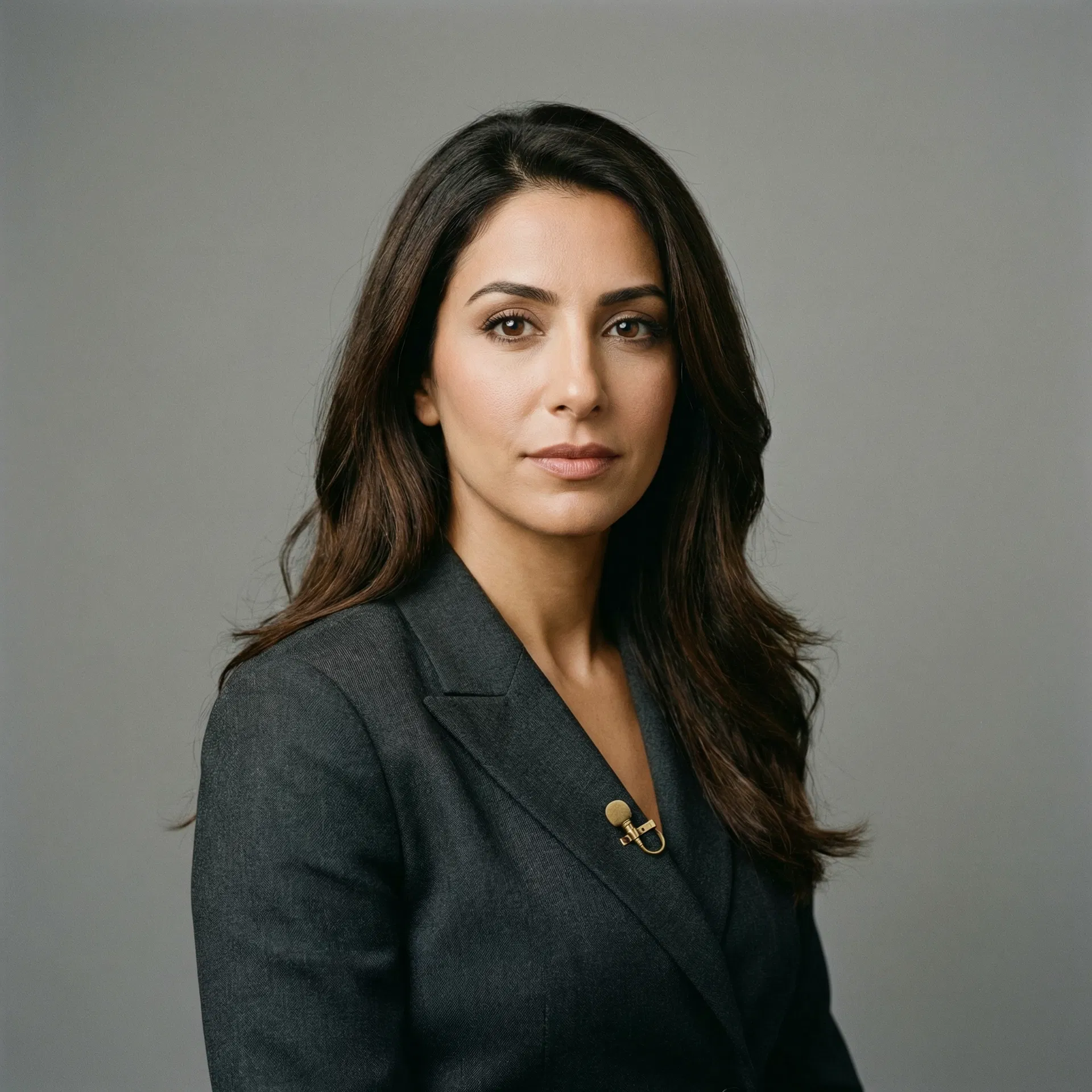
Canada has also been a vocal proponent of a strong and unified stance on Ukraine. Canadian Foreign Minister Anita Anand has stressed the importance of the Canada-France partnership in advancing shared priorities, including closer coordination in support for Ukraine and transatlantic security.
BEYOND THE CRISES
Despite the focus on Iran and Ukraine, the G7 ministers are also looking ahead to the leaders' summit in the Alps next June. The agenda for that meeting will include strategies for addressing global economic imbalances and the broader crisis of multilateralism. The hope is that the G7 can find common ground on these long-term challenges, even as it struggles to manage the immediate crises.
Ultimately, the G7 meeting in France has laid bare the challenges facing the Western alliance. With two major wars raging and a deeply divided membership, the G7 is at a crossroads. The decisions made in the coming days and weeks will have a profound impact on the future of the international order and the ability of the West to respond to the complex challenges of the 21st century.
Frequently Asked Questions
What are the main topics of discussion at the G7 foreign ministers' meeting?
Why is there disagreement within the G7?
What is the significance of the meeting being held in France?
Related Reports
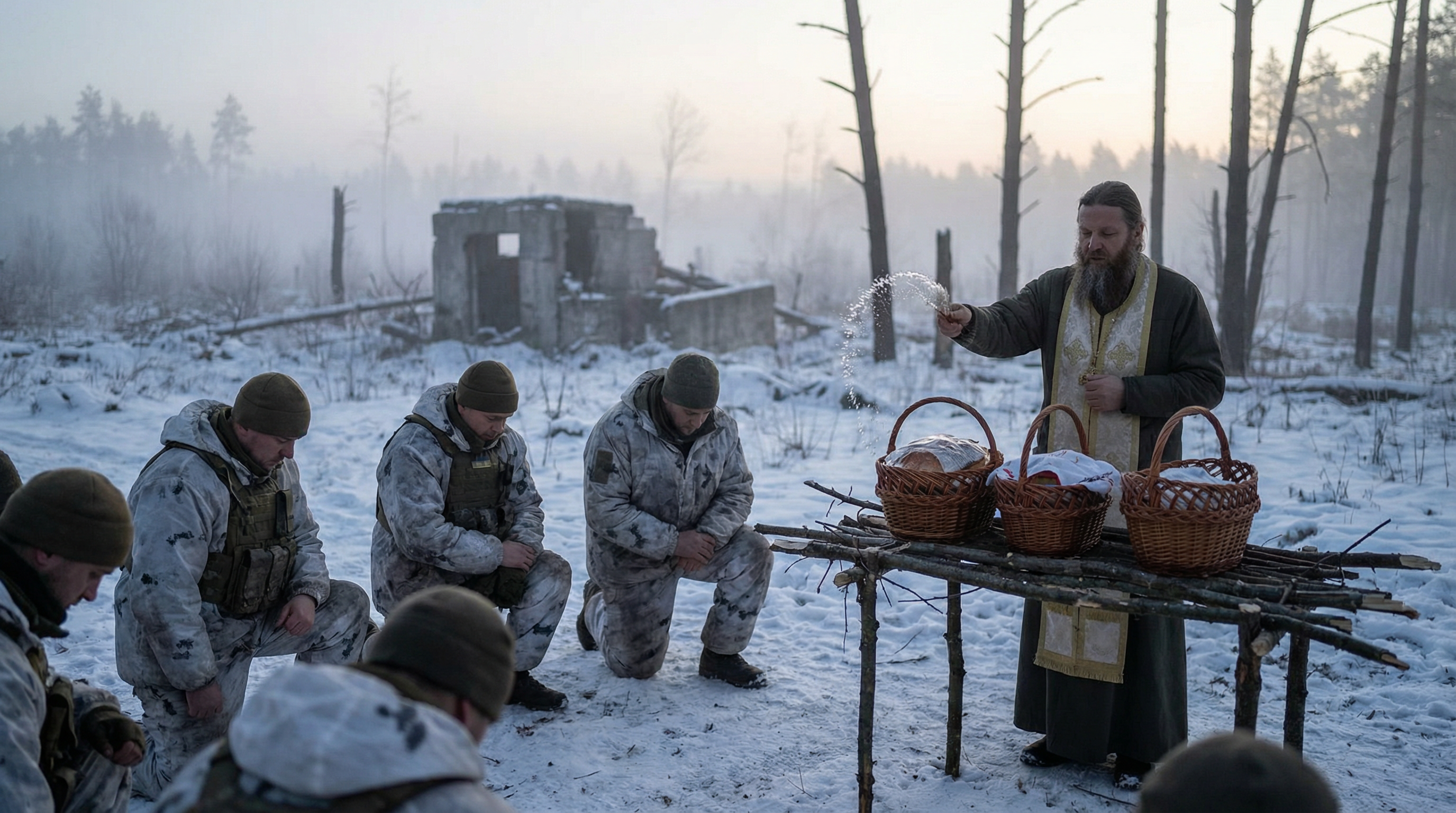
Ukraine and Russia Accuse Each Other of Breaching Easter Ceasefire as War Enters Fifth Year
Orban Era Ends: Hungarian Prime Minister Defeated in Historic Election by Peter Magyar