Middle East War Shows No Signs of Winding Down as International Norms Upended

The war in the Middle East has entered a dangerous new phase, with the US, Israel, and Iran openly violating international laws of war. The conflict is escalating, civilian casualties are mounting, and the prospects for a peaceful resolution are fading, with significant geopolitical implications for global stability.
A CONFLICT WITHOUT RULES
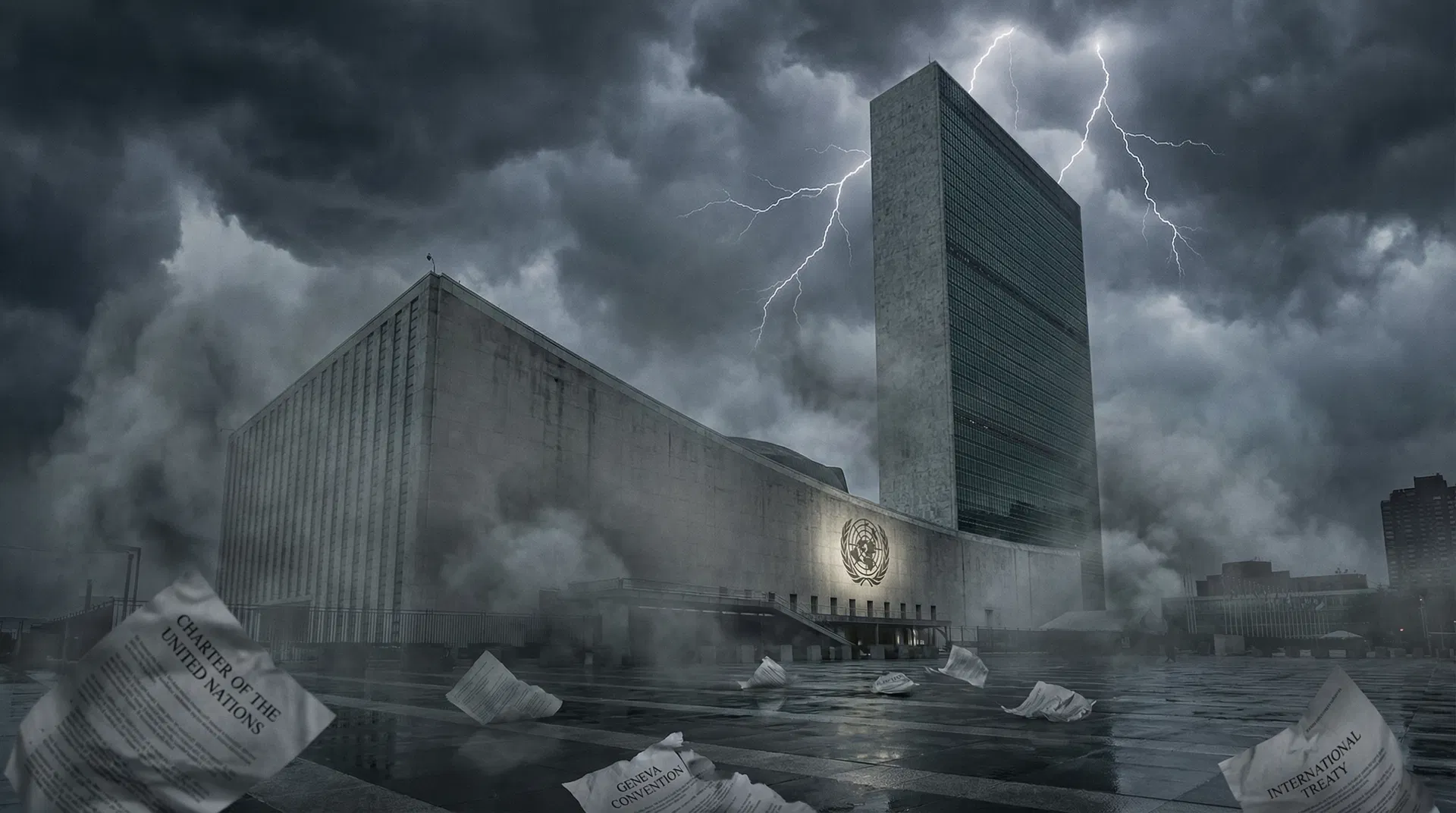
The war in the Middle East, now entering its second month, has devolved into a chaotic free-for-all, with all major parties—the United States, Israel, and Iran—openly and repeatedly violating the long-standing international laws of war. The flagrant disregard for established norms, from the targeting of civilian infrastructure to the assassination of political leaders, signals a dangerous new chapter in modern warfare, where the rules-based order that has governed global conflicts for decades is rapidly eroding. The conflict shows no signs of winding down, and the options for a peaceful resolution are narrowing with each passing day.
A DANGEROUS PRECEDENT
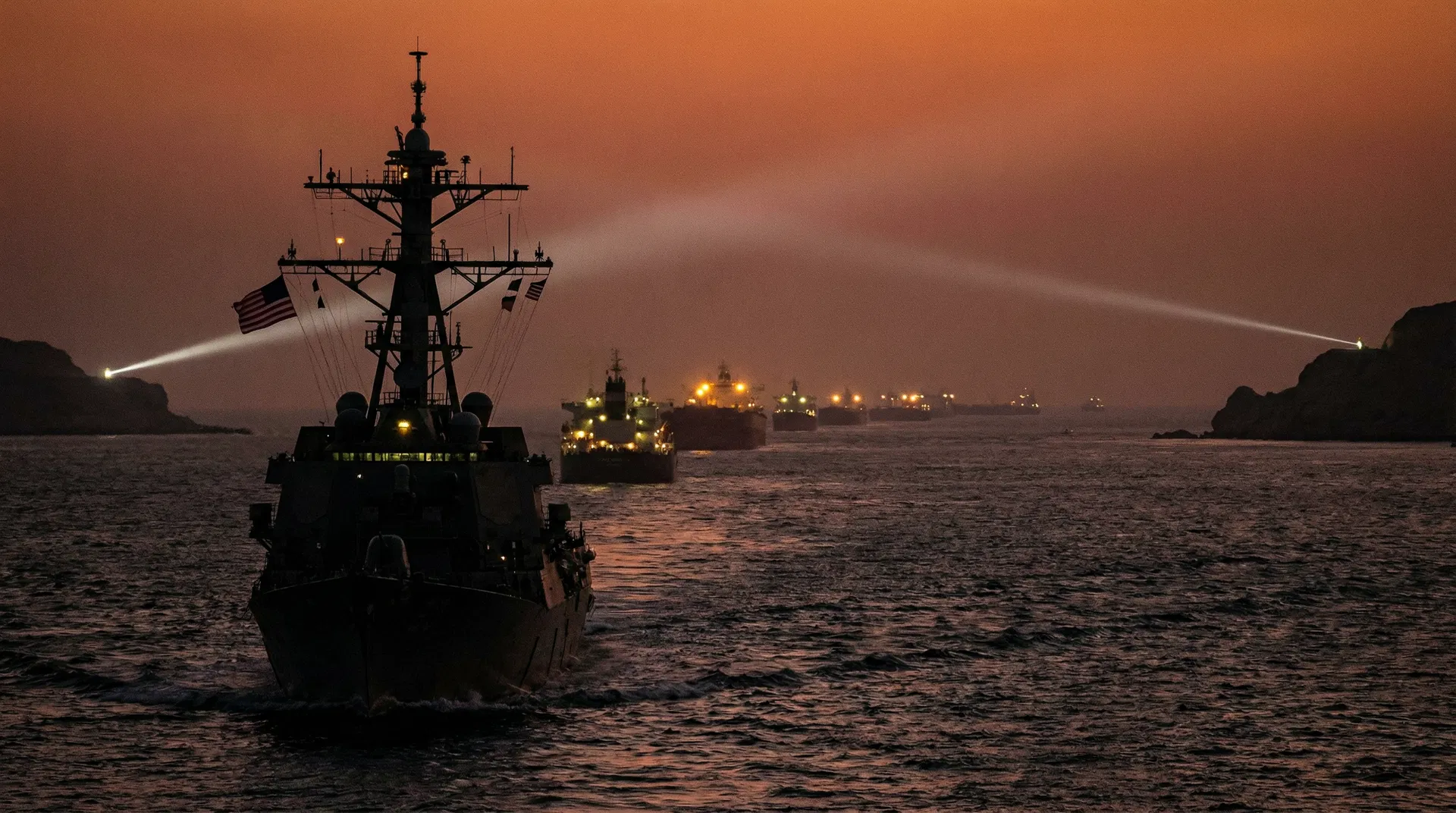
Human Rights Watch has documented a shocking array of violations, including US threats to obliterate Iranian power plants, Israeli strikes on civilian institutions in Lebanon, and Iranian attacks on commercial shipping and residential areas. This blatant disregard for the Geneva Conventions, which expressly forbid the targeting of non-combatants and civilian infrastructure, sets a terrifying precedent. "As the Middle East conflict has spread and intensified, so too has the dangerous rhetoric by leaders on all sides, including open threats to commit war crimes," said Philippe Bolopion, executive director of Human Rights Watch.
THE GEOPOLITICAL CHESSBOARD
The conflict has also reshuffled the geopolitical chessboard, creating clear winners and losers. Russia and China have emerged as significant beneficiaries, capitalizing on the chaos to advance their own interests. With the US bogged down in another Middle Eastern quagmire, Russia has a freer hand in Ukraine and Eastern Europe. China, meanwhile, is expanding its economic and political influence across the region, positioning itself as a key power broker in a post-American Middle East.
THE HUMANITARIAN CATASTROPHE
Amid the geopolitical maneuvering, the human cost of the conflict continues to mount. Civilian casualties are rising daily, and the deliberate targeting of essential infrastructure has created a humanitarian catastrophe. The World Food Programme estimates that an additional 45 million people could face acute food insecurity if the conflict continues and oil prices remain high. The internet blackouts and media censorship imposed by the warring parties make it impossible to know the true scale of the suffering, but the anecdotal evidence paints a grim picture of a civilian population caught in the crossfire.
A NARROWING PATH TO PEACE
With all sides doubling down on their maximalist positions, the prospects for a diplomatic solution are fading fast. The assassination of a top Iranian leader, an unprecedented act of aggression, has further inflamed tensions and made any negotiated settlement all but impossible in the near term. The international community, meanwhile, has been largely ineffective, its calls for de-escalation falling on deaf ears. The world is now faced with the grim reality of a protracted and bloody conflict that threatens to destabilize the entire region and beyond.
Frequently Asked Questions
What are the laws of war?
Who is winning the war in the Middle East?
What are the prospects for peace?
Related Reports
US-Iran Ceasefire Talks Collapse: US Navy Blockades Iranian Ports as Fragile Truce Holds
Israel Escalates Lebanon Campaign as Ceasefire Excludes Hezbollah Ahead of Washington Talks