Trump Extends Hormuz Deadline as US-Iran Impasse Deepens

President Trump has again extended a deadline for Iran to reopen the Strait of Hormuz, delaying a threatened military strike. While the White House claims progress in negotiations, Iran denies any talks are occurring, and both sides continue to harden their positions, making a peaceful resolution to the deepening crisis uncertain.
WASHINGTON — President Donald Trump on Thursday once again extended his deadline for Iran to fully reopen the Strait of Hormuz, a critical artery for global oil shipments. The new deadline of April 6 marks the second time in a week that the president has pulled back from a threat to launch debilitating strikes against Iran's energy infrastructure, even as his administration insists that talks to end the nearly month-long conflict are progressing.
In a post on his Truth Social platform, Trump announced the 10-day pause was granted at the request of the Iranian government. "Talks are ongoing and, despite erroneous statements to the contrary by the Fake News Media, and others, they are going very well," the president stated, directly contradicting Tehran's public position.
Iranian officials have consistently denied that any direct negotiations are underway. Foreign Minister Abbas Araghchi stated on state television that while the U.S. has attempted to pass messages through intermediaries, "that is not a conversation nor a negotiation." This public denial underscores the deep chasm that remains between the two adversaries.
THE DEEPENING IMPASSE
The latest extension comes as both nations appear to be digging in their heels. The United States has reportedly delivered a 15-point "action list" to Tehran via Pakistan, outlining a framework for a potential peace deal. Steve Witkoff, a Trump envoy, expressed optimism, stating there were "strong signs" that the U.S. could "convince Iran that this is the inflection point, with no good alternatives for them other than more death and destruction."
Iran, however, has countered with its own five-point proposal, which reportedly includes demands for reparations and the recognition of its sovereignty over the Strait of Hormuz. This fundamental disagreement over control of the strait remains a primary obstacle to any potential ceasefire.
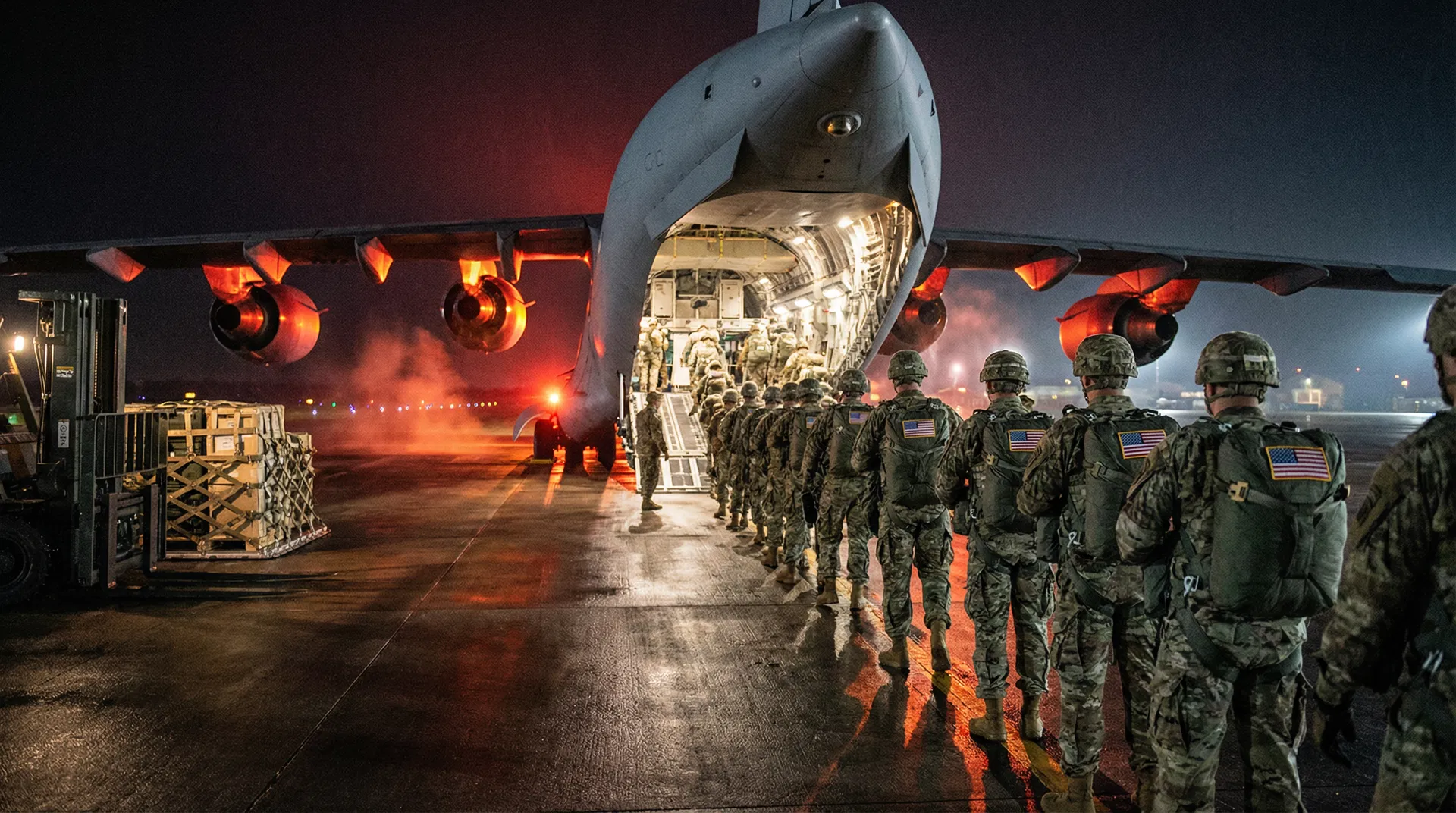
While Trump claims progress, his administration continues to apply pressure. Thousands of additional U.S. troops, including elements of the 82nd Airborne Division, are en route to the region, bolstering an already significant American military presence.
A DE FACTO TOLL BOOTH
In the meantime, Iran has tightened its grip on the Strait of Hormuz, effectively operating what one maritime intelligence firm, Lloyd's List, has called a "de facto 'toll booth' regime." According to reports, Iran has been allowing a trickle of vessels to pass, but only after they have paid for safe passage, in some cases using the Chinese yuan.
This disruption has had a significant impact on the global economy, with the price of Brent crude oil soaring by more than 40% since the conflict began. The strait is a chokepoint for more than a fifth of the world's oil supply, and its effective closure has sent shockwaves through international markets.
The conflict has also seen a significant escalation in military action. Israel, a key U.S. ally, claimed to have killed two high-ranking Iranian naval commanders, including the head of the Islamic Revolutionary Guard Corps Navy, Commodore Alireza Tangsiri. Iran has not officially confirmed these losses.
A WAR OF WORDS
The diplomatic stalemate is mirrored by a war of words, with both sides engaging in aggressive rhetoric. Trump has oscillated between extending deadlines and issuing threats, at one point vowing to "obliterate" Iran. "If they make the right deal, then the strait will open up," he declared during a recent cabinet meeting.
Legal experts have raised concerns about the legality of the U.S. military campaign, with some describing the initial attacks as an act of unprovoked aggression. Furthermore, threats to destroy Iran's civilian power grid have been condemned by human rights organizations like Amnesty International as a "threat to commit war crimes."
As the April 6 deadline approaches, the international community watches with bated breath. The path to a peaceful resolution appears narrow and fraught with obstacles, with the potential for a wider, more devastating conflict remaining dangerously high.
Frequently Asked Questions
Why is the Strait of Hormuz so important?
Are the US and Iran actually negotiating?
What are the main points of disagreement between the US and Iran?
Related Reports
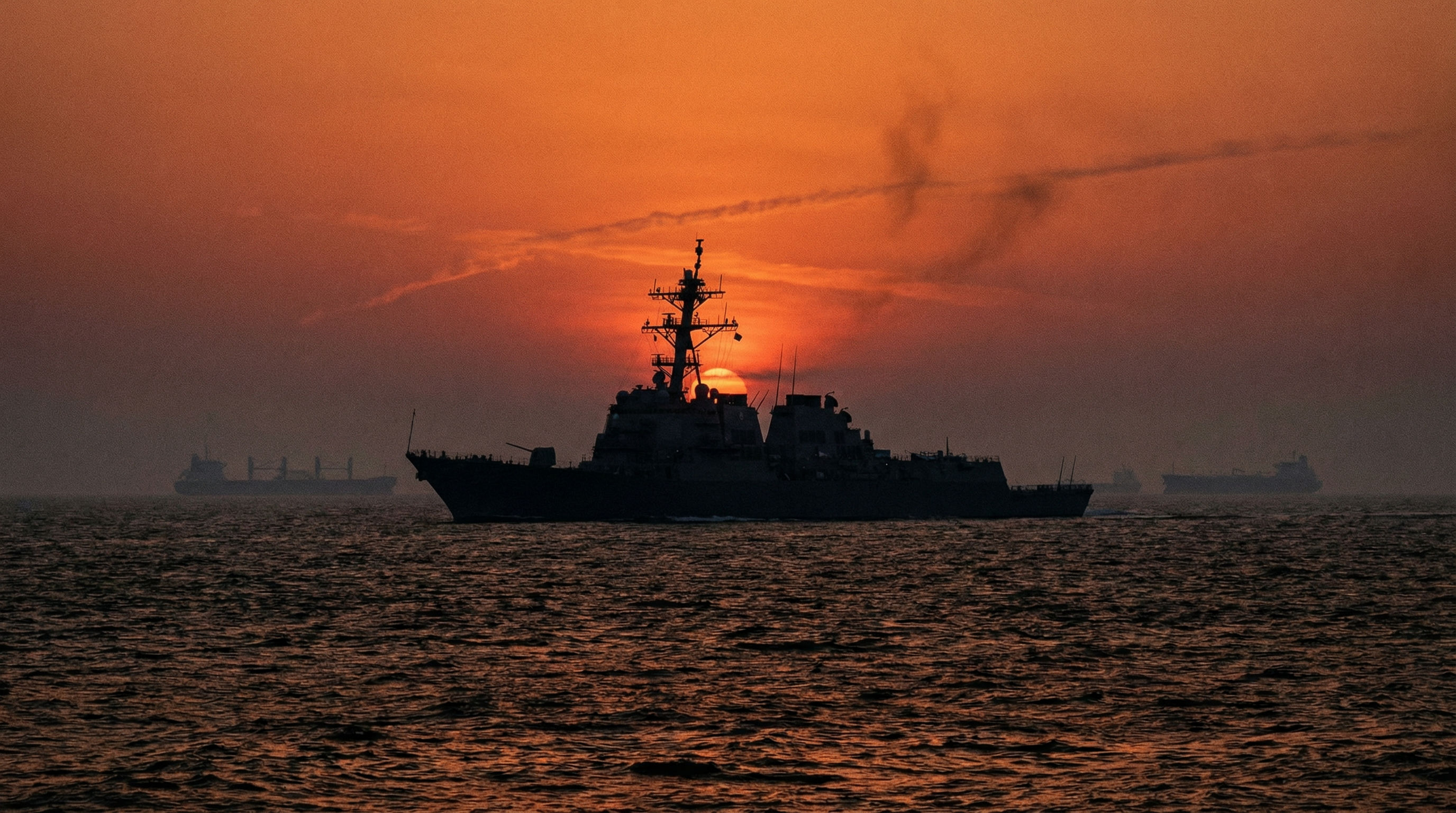
US-Iran Ceasefire Talks Collapse: US Navy Blockades Iranian Ports as Fragile Truce Holds
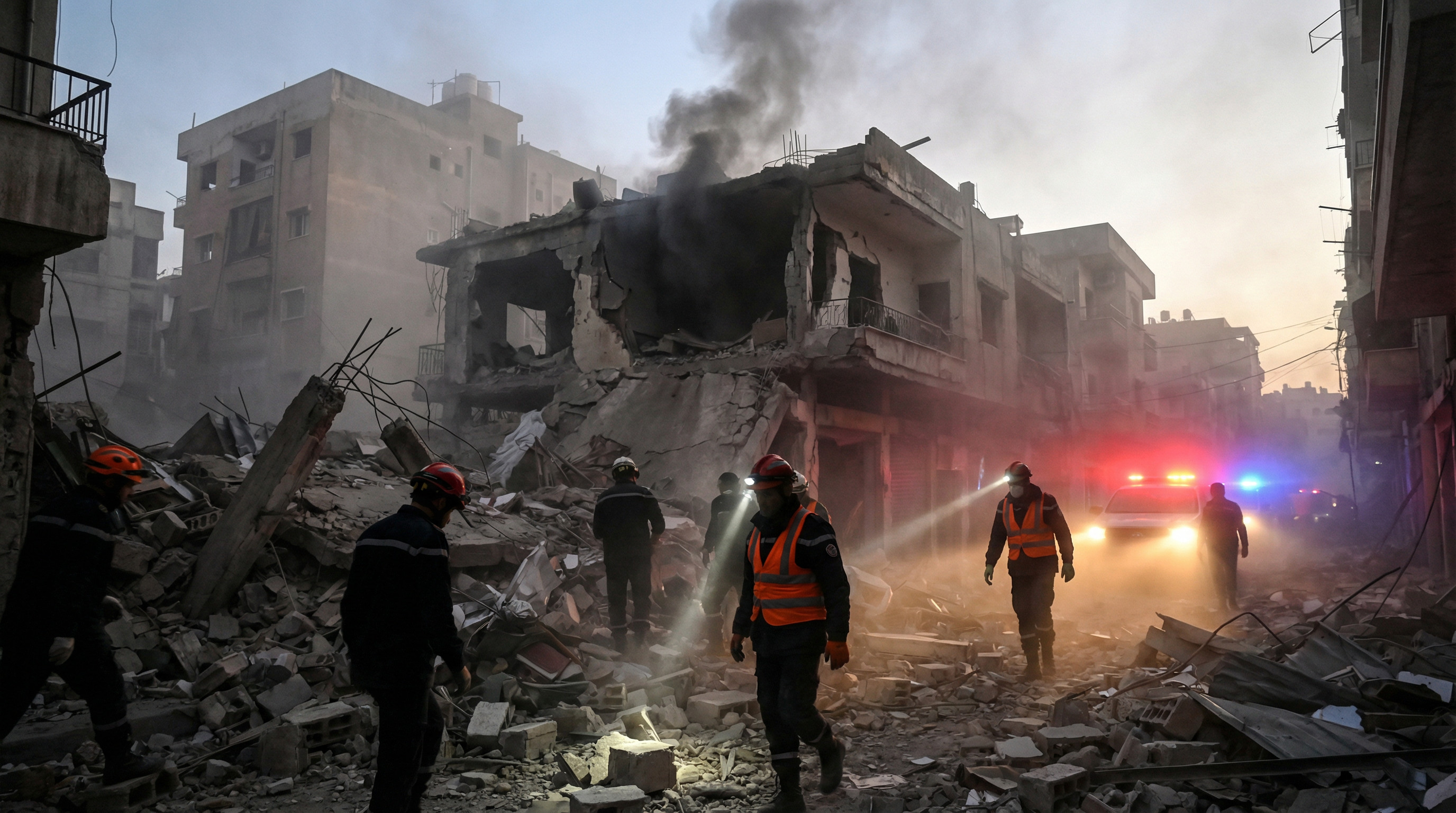
Israel Escalates Lebanon Campaign as Ceasefire Excludes Hezbollah Ahead of Washington Talks