Iran War Reshaping Strait of Hormuz: Global Energy Security at Critical Juncture

Iran conflict threatens Strait of Hormuz, the world's most critical oil chokepoint. Military operations, mine-laying, and shipping disruptions create unprecedented energy security risks, with oil prices surging and insurance costs skyrocketing.
DUBAI, UNITED ARAB EMIRATES — The ongoing US-Israel military campaign against Iran is creating unprecedented challenges for global energy security, with the Strait of Hormuz—through which approximately 20% of the world's oil supply flows—facing direct military threats and disruption.
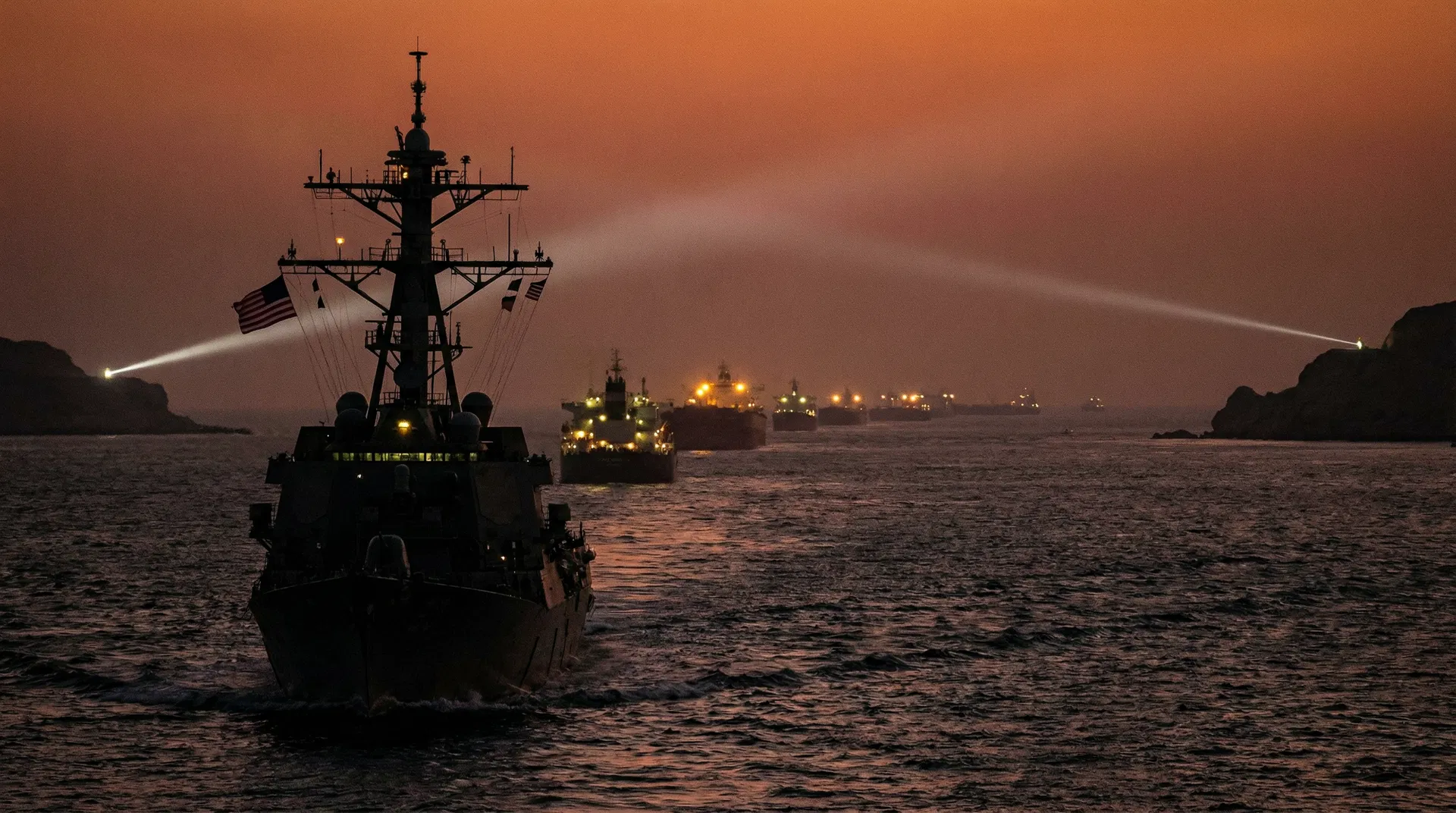
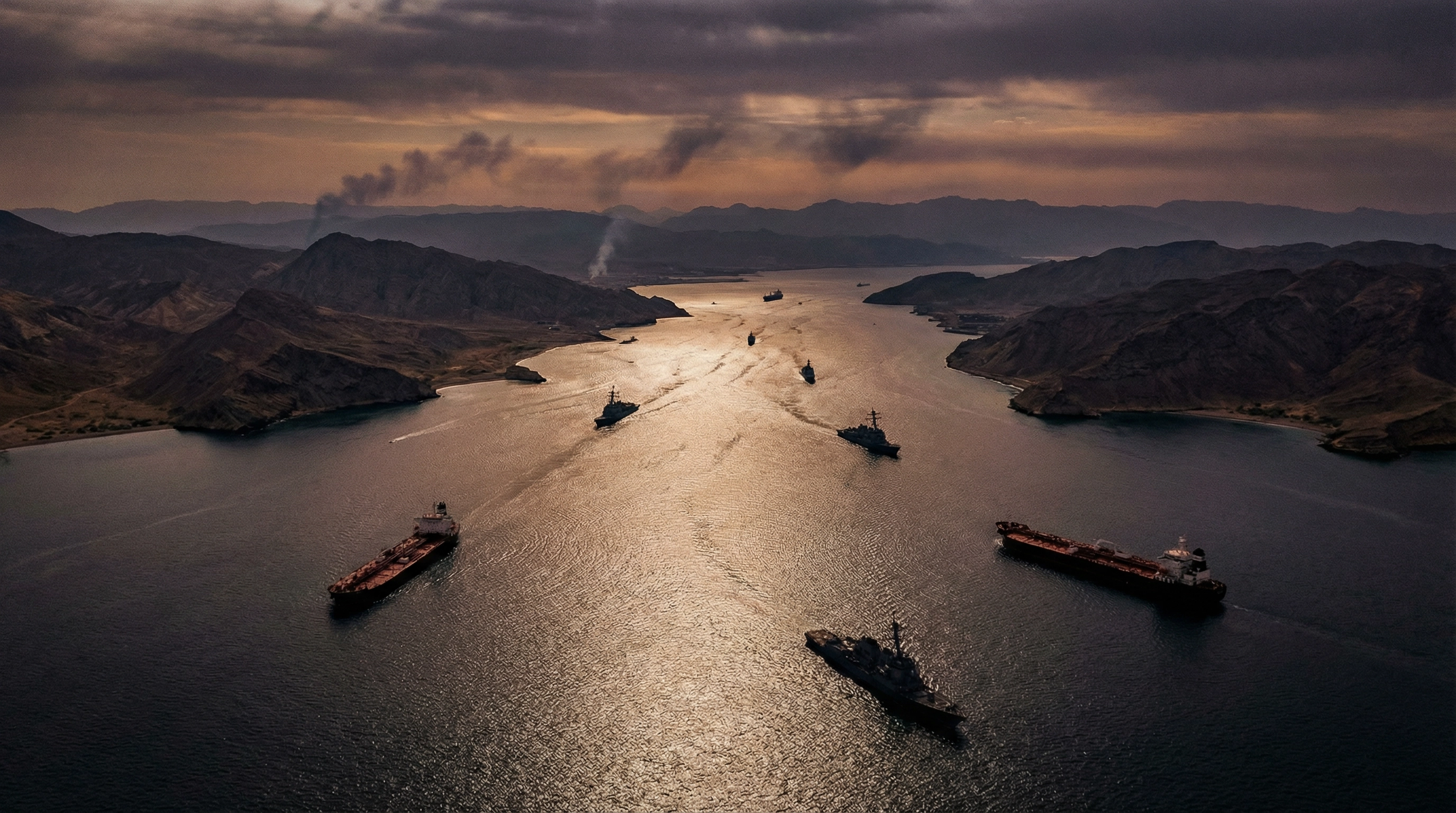
The strategic waterway, which connects the Persian Gulf to the Gulf of Oman and the Arabian Sea, has become a flashpoint in the conflict. Iran has deployed mines and naval assets to the strait, while the US Navy has increased its military presence to protect commercial shipping. The situation has created a precarious balance that could tip into a full-scale energy crisis.
"The Strait of Hormuz is the world's most important oil chokepoint, and any prolonged disruption would have catastrophic consequences for the global economy," said Dr. James Mitchell, an energy security analyst at the International Energy Agency (IEA). "We are currently in a situation where a single military incident could trigger a major energy crisis."
Iran has reportedly laid mines in the strait and deployed fast-attack craft and submarines to threaten commercial shipping. These actions are ostensibly in retaliation for the US-Israel airstrikes on Iranian military facilities, which have degraded Iran's air defenses and military infrastructure.
The US Navy has responded by deploying additional carrier strike groups and minesweeping vessels to the region. The Navy has also established escort convoys for commercial shipping, though insurance premiums for vessels transiting the strait have increased dramatically—some insurers are charging rates 10-15 times higher than normal.
The economic impact of the disruptions is already being felt. Oil prices have surged, with Brent crude reaching $105 per barrel at the height of the crisis. Shipping costs have increased significantly, adding to the inflationary pressures already affecting global economies.
Global energy markets are highly sensitive to disruptions in the Strait of Hormuz. A complete blockade of the strait would disrupt approximately 21 million barrels of oil per day—roughly 20% of global oil consumption. Such a disruption would likely trigger a global economic recession and energy rationing in many countries.
The situation has prompted emergency meetings of the International Energy Agency and OPEC+. The IEA has indicated that it may release strategic petroleum reserves to stabilize markets, while OPEC+ has discussed potential production increases to offset any supply disruptions.
Energy analysts are modeling various scenarios, ranging from a temporary disruption lasting weeks to a prolonged blockade lasting months. Most scenarios indicate significant economic consequences, with global GDP growth potentially declining by 1-2% in the event of a prolonged disruption.
The long-term implications for energy security are profound. The crisis has highlighted the vulnerability of global energy markets to geopolitical disruptions and has prompted discussions about diversifying energy sources and reducing dependence on Middle Eastern oil.
Regional powers, including Saudi Arabia and the United Arab Emirates, are closely monitoring the situation. Both countries have significant oil production and export interests in the region and are concerned about the potential economic consequences of a prolonged conflict.
The situation remains highly volatile, with the potential for further military escalation. Any major incident involving commercial shipping or military vessels could trigger a broader conflict and a severe global energy crisis.
Related Reports
US-Iran Ceasefire Talks Collapse: US Navy Blockades Iranian Ports as Fragile Truce Holds
Israel Escalates Lebanon Campaign as Ceasefire Excludes Hezbollah Ahead of Washington Talks