Iran Declares Ukraine a 'Legitimate Target' as Kyiv Sends Drone Experts to Gulf

Iran has declared Ukraine a 'legitimate target' after Kyiv sent drone experts to Gulf states. This escalates the conflict, intertwining the Ukraine war with Middle East tensions and highlighting the growing role of drone warfare.
Iran Declares Ukraine a ‘Legitimate Target’ Amid Escalating Drone Tensions
KYIV, Ukraine – March 17, 2026 – Tensions between Iran and Ukraine have reached a boiling point, with Tehran officially declaring Ukraine a “legitimate target.” The inflammatory statement, made by a high-ranking Iranian official on March 14, 2026, is a direct response to Ukraine’s decision to send military experts to several Gulf states to help them counter Iranian-made drones. This development marks a significant and dangerous expansion of the ongoing Russo-Ukrainian War, further entangling it with the complex security dynamics of the Middle East.
The declaration has sent shockwaves through the international community, raising fears of a wider conflict that could draw in major world powers. While the immediate threat of a direct military confrontation between Iran and Ukraine remains low, the escalating rhetoric and the increasing proliferation of sophisticated drone technology have created a volatile and unpredictable situation.
A New Front in a Global Conflict
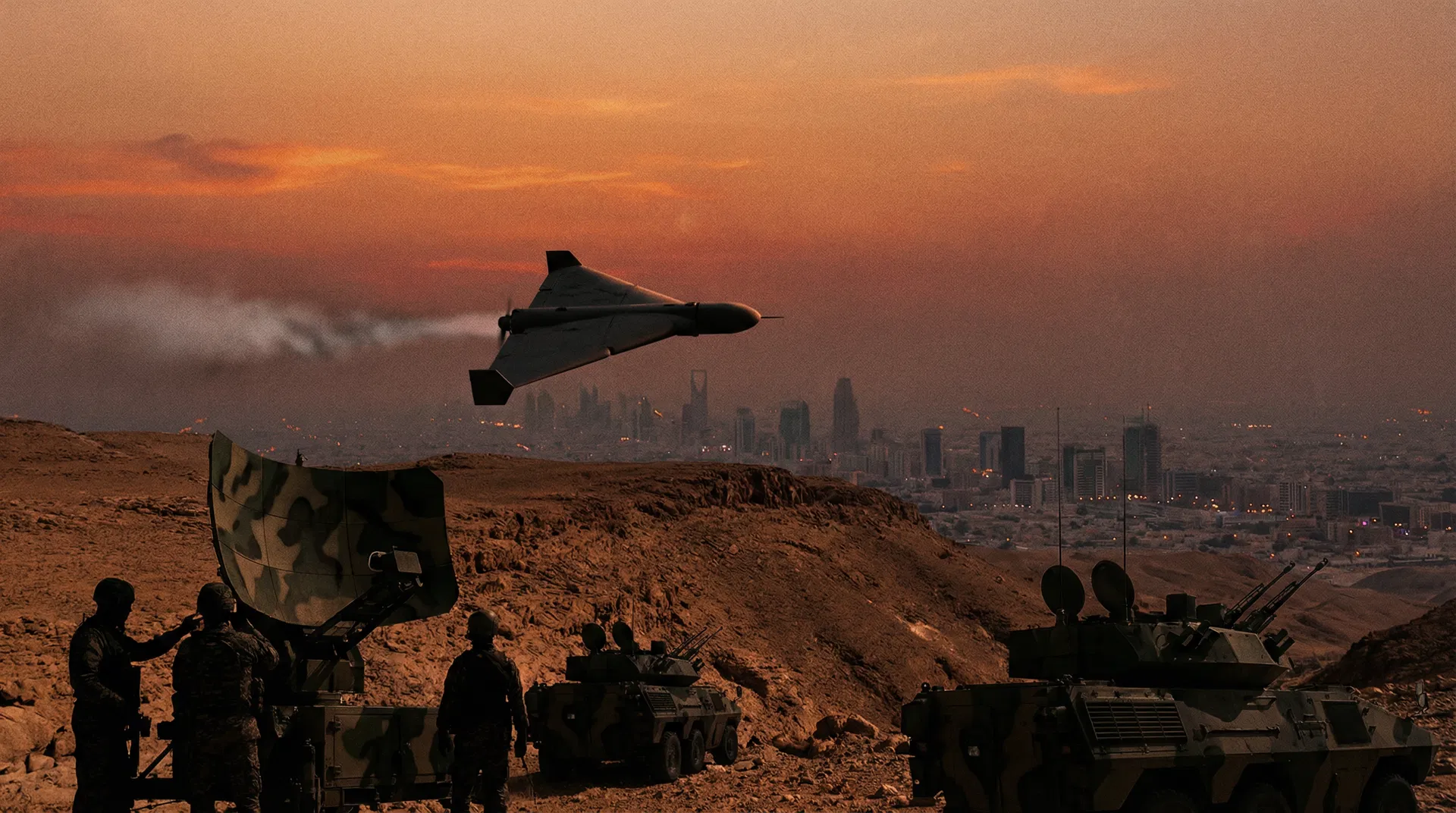
The war of words is the culmination of a steady deterioration in relations between the two countries. While Iran initially recognized Ukraine’s independence in 1991, the relationship has been strained since Russia’s full-scale invasion of Ukraine in 2022. Iran has emerged as a key military backer of Russia, supplying it with a steady stream of Shahed-136 loitering munitions, which have been used to devastating effect against Ukrainian cities and infrastructure.
In response to Iran’s support for Russia, Ukraine has taken a series of punitive measures. In September 2022, Kyiv revoked the accreditation of the Iranian ambassador and significantly reduced Iran’s diplomatic presence. This was followed by the imposition of 50-year sanctions in June 2023, which included a complete ban on trade, investment, and technology transfer. The relationship soured further in February 2026, when Ukraine designated Iran’s Islamic Revolutionary Guard Corps (IRGC) as a terrorist organization.
The Drone Factor: A Double-Edged Sword
At the heart of the current crisis is the proliferation and advancement of drone technology. Ukraine, through its experience in countering Russian and Iranian-made drones, has become a world leader in drone warfare. This expertise is now in high demand, with countries across the Middle East seeking Kyiv’s assistance in bolstering their defenses against Iranian drones.
On March 10, 2026, Ukrainian President Volodymyr Zelenskyy announced the deployment of military experts to Qatar, the United Arab Emirates, and Saudi Arabia. This move, while intended to be a defensive measure, was interpreted by Tehran as a direct threat. The Atlantic Council noted, “The Iran war has sparked a sudden surge in international demand for Ukraine’s unique drone warfare expertise.”
This burgeoning role as a “drone superpower” is a double-edged sword for Ukraine. On the one hand, it provides a new and valuable source of international leverage and support. On the other, it makes Ukraine a target for Iran and its allies, who see Kyiv’s growing influence in the drone space as a direct challenge to their own strategic interests.
Strategic Implications: A Web of Alliances and Enmities
The escalating tensions between Iran and Ukraine have several significant strategic implications. Firstly, it marks a dangerous expansion of the Ukrainian conflict, drawing in new actors and regions. The war is no longer confined to the borders of Ukraine and Russia but is now directly linked to the security dynamics of the Middle East. Secondly, it underscores the growing importance of drone technology in modern warfare. Ukraine’s battlefield innovations have made it a “drone superpower,” a status that brings with it both opportunities and risks. While its expertise is in high demand, this capability also makes it a target. Thirdly, the crisis highlights the deepening alliance between Iran and Russia. Their cooperation in military technology and intelligence poses a significant challenge to Western interests in both Europe and the Middle East.
UK Defence Secretary John Healey has suggested that Russian President Vladimir Putin’s “hidden hand” is behind recent Iranian drone strikes in the Middle East, further highlighting the interconnectedness of these conflicts. This web of alliances and enmities has created a tinderbox in which a spark in one region could easily ignite a fire in another.
What This Means: The Human Cost
The Iranian declaration has raised the immediate threat to Ukrainian civilians. The memory of the downing of Ukraine International Airlines Flight 752 in 2020, which killed 176 people, serves as a grim reminder of the potential for catastrophic loss of life. The expansion of the conflict also threatens to create further instability in the Middle East, with potentially devastating consequences for civilians in the region.
The use of drones, in particular, has changed the calculus of modern warfare. These relatively cheap and easily produced weapons can be deployed in large numbers, overwhelming traditional air defenses and causing widespread destruction. The psychological impact of living under the constant threat of drone attacks is also immense, creating a climate of fear and uncertainty.
Forward-Looking Analysis: A New Era of Warfare
The coming weeks will be critical in determining whether this crisis escalates further. The international community will be watching closely to see how Iran acts on its threat and how Ukraine and its allies respond. The potential for a direct military confrontation between Iran and Ukraine, while still unlikely, cannot be entirely ruled out. What is certain is that the drone has become a central and destabilizing feature of modern warfare, and the conflict between Iran and Ukraine is a stark illustration of this new reality.
The crisis also highlights the need for new international norms and regulations governing the use of drone technology. Without such a framework, the world risks a future in which conflicts are fought not by soldiers on the battlefield, but by anonymous operators flying drones from thousands of miles away. The implications of such a future are profound and deeply unsettling.
Frequently Asked Questions
Why did Iran declare Ukraine a legitimate target?
What is the 'drone factor' in this conflict?
What are the strategic implications of this escalation?
Related Reports
US-Iran Ceasefire Talks Collapse: US Navy Blockades Iranian Ports as Fragile Truce Holds
Israel Escalates Lebanon Campaign as Ceasefire Excludes Hezbollah Ahead of Washington Talks