Israel Escalates Lebanon Campaign as Ceasefire Excludes Hezbollah Ahead of Washington Talks
As the US-Iran ceasefire explicitly excludes Lebanon, Israel has intensified its military campaign against Hezbollah. A devastating 'Black Wednesday' attack on Beirut killed over 300 people, pushing the total death toll past 2,000, while Hezbollah's leader urges the Lebanese government to cancel upcoming talks in Washington.
The two-week ceasefire agreement between the United States and Iran, brokered by Pakistan on April 8, 2026, brought a temporary halt to the broader regional conflict but notably excluded Lebanon. Israeli Prime Minister Benjamin Netanyahu confirmed that the truce does not apply to Israel's ongoing operations against the Lebanese-armed group Hezbollah or its invasion of southern Lebanon.
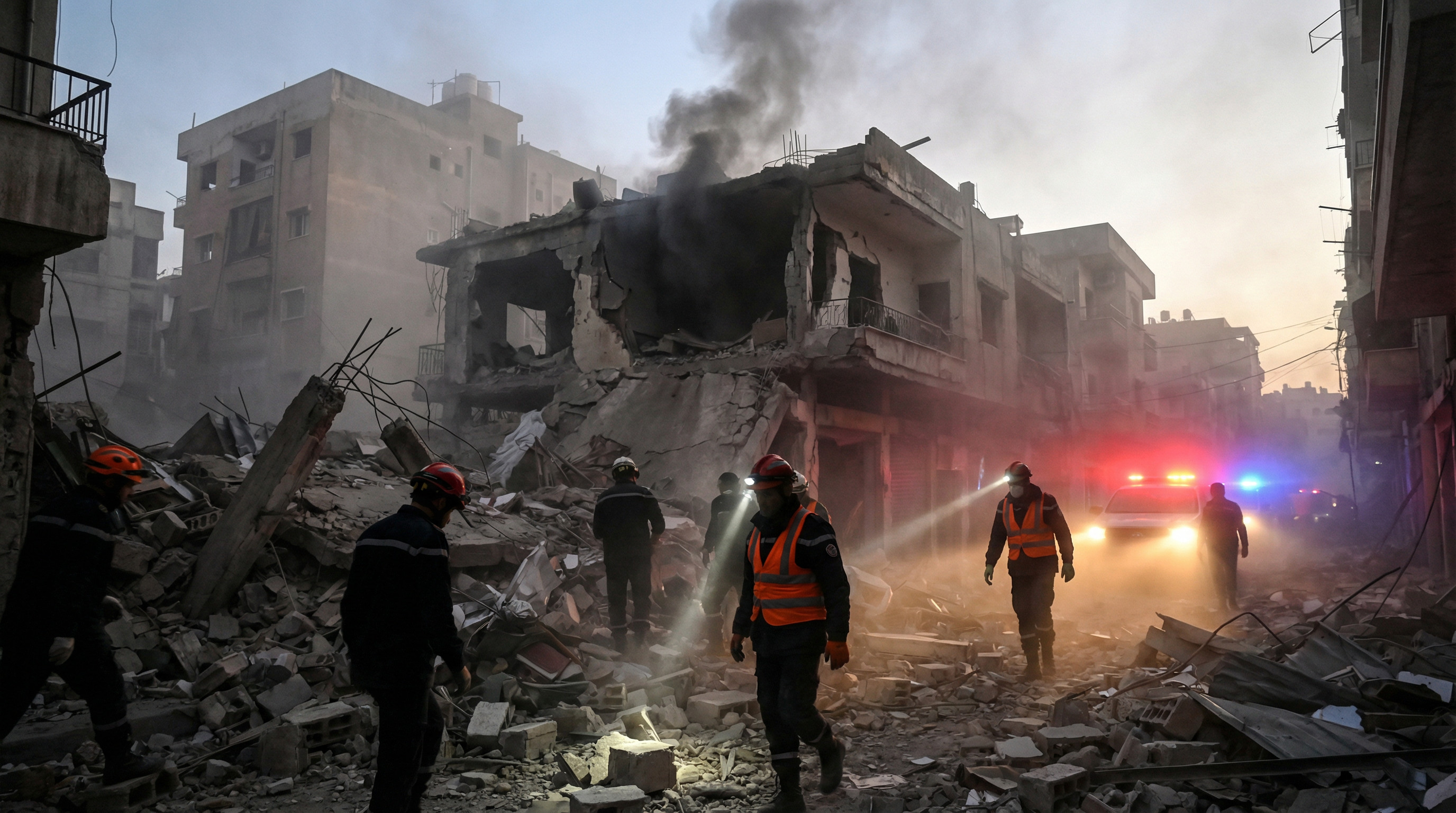
This exclusion has paved the way for a dramatic escalation in hostilities. On the very day the US-Iran ceasefire was announced, Israel launched a massive aerial assault on Beirut. The "Black Wednesday" strikes hit dense commercial and residential areas in central Beirut without warning, killing more than 300 people according to the Lebanese Health Ministry.
The total death toll in Lebanon since the conflict erupted on March 2, 2026, has now surpassed 2,000. Lebanese authorities report at least 1,497 confirmed fatalities, including 57 health workers, with approximately 20 percent of the country's population displaced by the fighting.
The aerial bombardment has been accompanied by intensified ground operations. On Monday, Israeli troops launched an attack to seize a key town in south Lebanon from Hezbollah fighters, pressing their advantage ahead of scheduled diplomatic negotiations. Prime Minister Netanyahu recently visited parts of southern Lebanon under Israeli control for the first time since the current fighting began.
The military push comes as Israel and Lebanon prepare for rare, indirect negotiations in Washington. Israel's surprise announcement authorizing the talks — despite a lack of official relations between the two nations — aims to address Hezbollah's disarmament. However, the militant group has vehemently opposed the diplomatic effort.
Hezbollah leader Naim Qassem urged the Lebanese government to cancel the planned meeting, dismissing the talks as a futile ploy to pressure the group into laying down its weapons. Despite this opposition, Lebanese Prime Minister Nawaf Salam has ordered the delegation to proceed with the negotiations.
The European Union has expressed grave concern over the escalating situation. European Commission President Ursula von der Leyen warned that the ongoing Israeli strikes on Lebanon threaten to plunge the entire region into chaos. "No peace is possible while Lebanon is in flames," she stated.
The conflict in Lebanon was triggered when Hezbollah launched rockets toward Israel in retaliation for the killing of Iran's Supreme Leader Ayatollah Ali Khamenei on February 28, the first day of the broader US-Israel war on Iran. Israel wants Lebanon to assume responsibility for disarming Hezbollah, but the militant group has survived efforts to curb its strength for decades.
Frequently Asked Questions
Why is Lebanon excluded from the US-Iran ceasefire?
What was the 'Black Wednesday' attack?
What are the goals of the Washington talks?
Related Reports
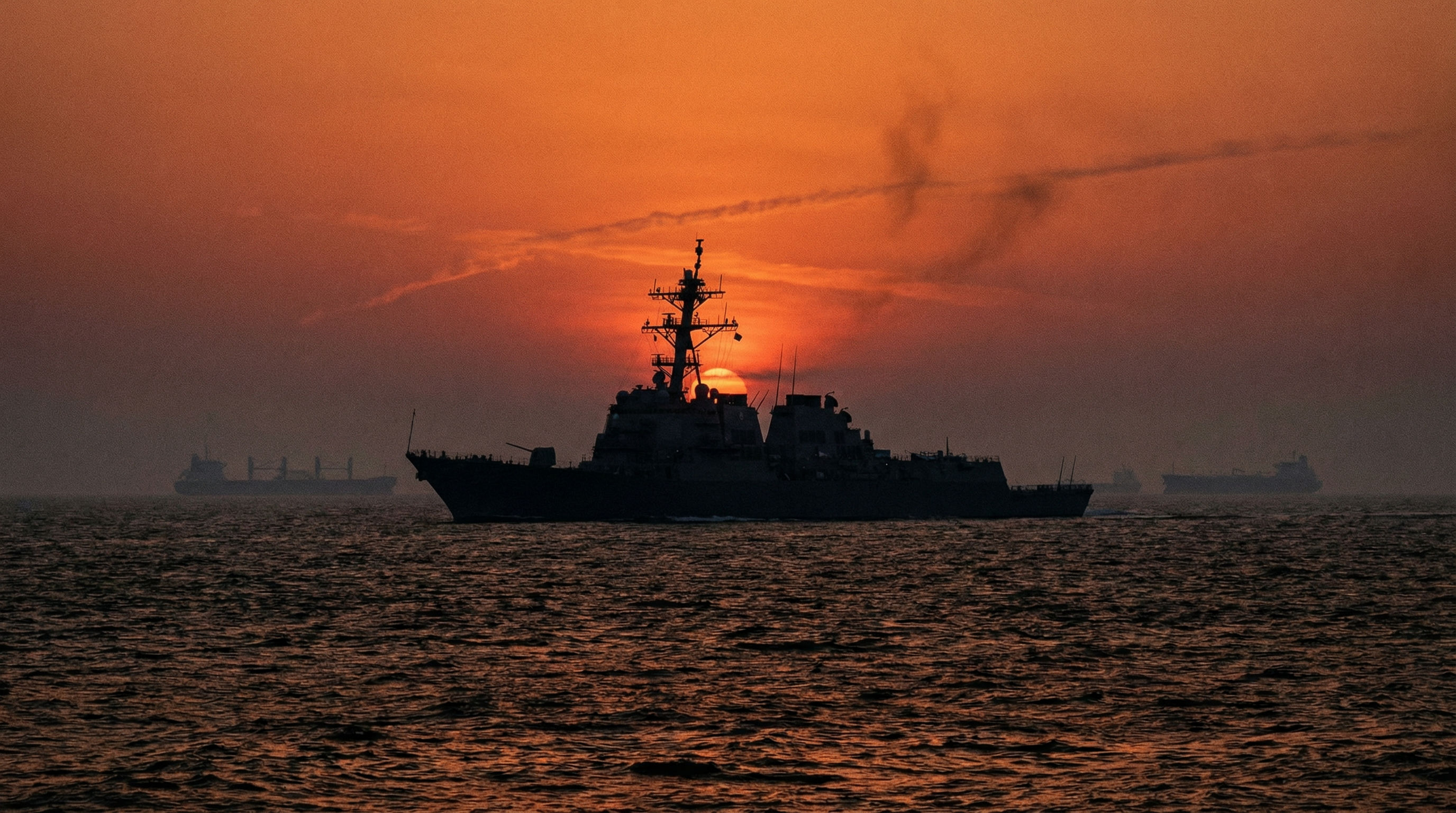
US-Iran Ceasefire Talks Collapse: US Navy Blockades Iranian Ports as Fragile Truce Holds
Trump Extends Hormuz Deadline as US-Iran Impasse Deepens