Israel Launches Devastating Strikes on Beirut in Expanding Lebanon Campaign

Israeli warplanes strike Beirut in major campaign, killing 47 civilians and wounding 200+. The escalation marks the most intense bombardment of the Lebanese capital since 2006, raising fears of broader regional conflict.
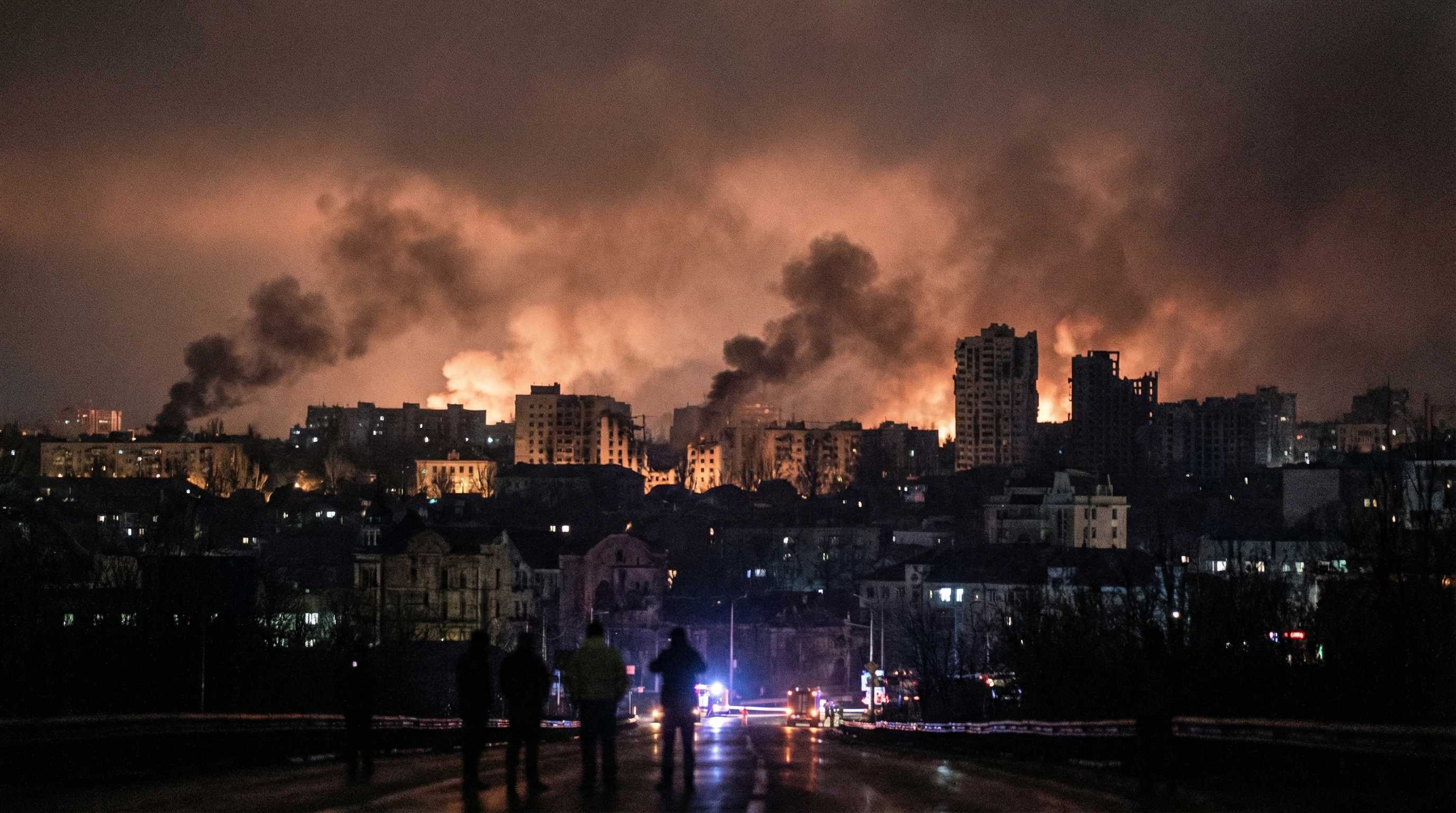
BEIRUT, LEBANON — Israeli military aircraft conducted an extensive bombing campaign against Beirut on March 13, striking residential neighborhoods, government buildings, and suspected Hezbollah positions across the Lebanese capital. Lebanese health authorities reported at least 47 civilian deaths and over 200 wounded, with rescue operations ongoing in the affected areas.
The strikes, which began at approximately 2:00 AM local time and continued for over six hours, targeted areas including the Dahieh suburb (a known Hezbollah stronghold), the Ras Beirut neighborhood, and parts of the city center. Residents reported hearing multiple explosions and seeing large plumes of smoke rising across the capital.
"This is the most intense bombardment of Beirut since the 2006 war," said Dr. Fadi George, director of the American University of Beirut Medical Center, which has been overwhelmed with casualties. "We are treating burn victims, crush injuries, and blast trauma. Our capacity is being severely tested."
The Israeli military stated that the strikes targeted "terrorist infrastructure" and Hezbollah command centers. In a statement, the Israel Defense Forces (IDF) said: "The strikes were conducted in response to ongoing rocket attacks from Hezbollah positions in Lebanon and were aimed at degrading the organization's military capabilities."
However, Lebanese officials and international observers have raised concerns about civilian casualties. The Lebanese government condemned the strikes as "indiscriminate bombardment," while the UN Office for the Coordination of Humanitarian Affairs (OCHA) called for an immediate ceasefire and humanitarian access to affected areas.
The escalation marks a significant turning point in the Israel-Hezbollah conflict, which has simmered for decades but has intensified dramatically in recent months. Previous Israeli operations have targeted Hezbollah positions in southern Lebanon and the Bekaa Valley, but strikes of this magnitude against Beirut itself are relatively rare.
Hezbollah has not yet issued an official statement, but Lebanese media reports indicate that the organization is preparing a response. Regional analysts warn that the escalation could trigger a broader conflict involving Iran, which provides significant military and financial support to Hezbollah.
The strikes have prompted international concern. The United States called for restraint from all parties, while France and the European Union urged both sides to pursue diplomatic solutions. Russia and China issued statements criticizing what they described as Israeli aggression.
Lebanon's already fragile economy and infrastructure have been further strained by the conflict. The country has been experiencing a severe economic crisis, and the destruction caused by the strikes will likely exacerbate humanitarian challenges. The UN estimates that over 100,000 Lebanese have been displaced by recent fighting.
Regional security analysts warn that the escalation could draw in other actors, including Iran-backed militias in Iraq and Syria. The situation remains highly volatile, with the potential for further military action in the coming days.
Related Reports
US-Iran Ceasefire Talks Collapse: US Navy Blockades Iranian Ports as Fragile Truce Holds
Israel Escalates Lebanon Campaign as Ceasefire Excludes Hezbollah Ahead of Washington Talks