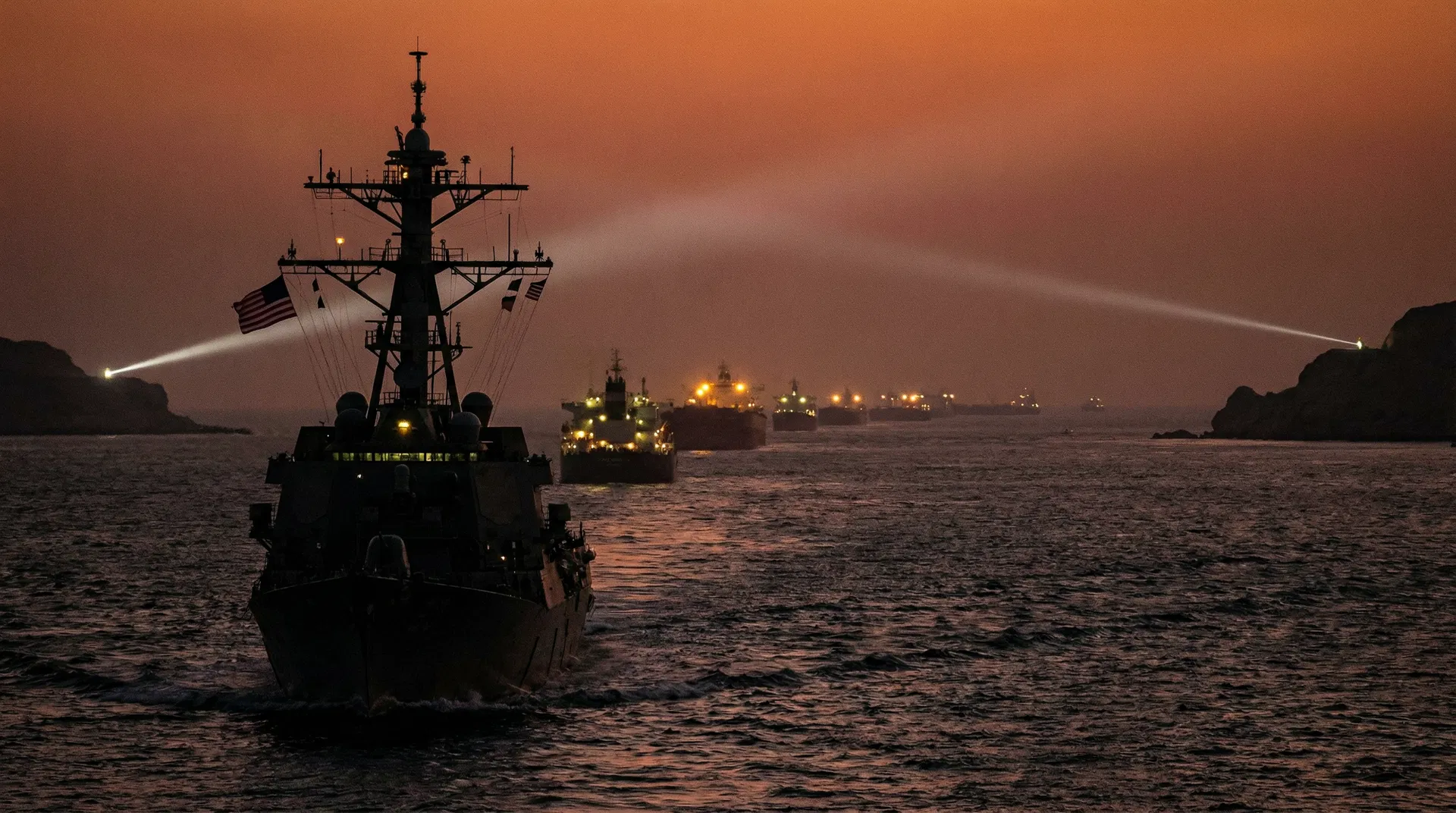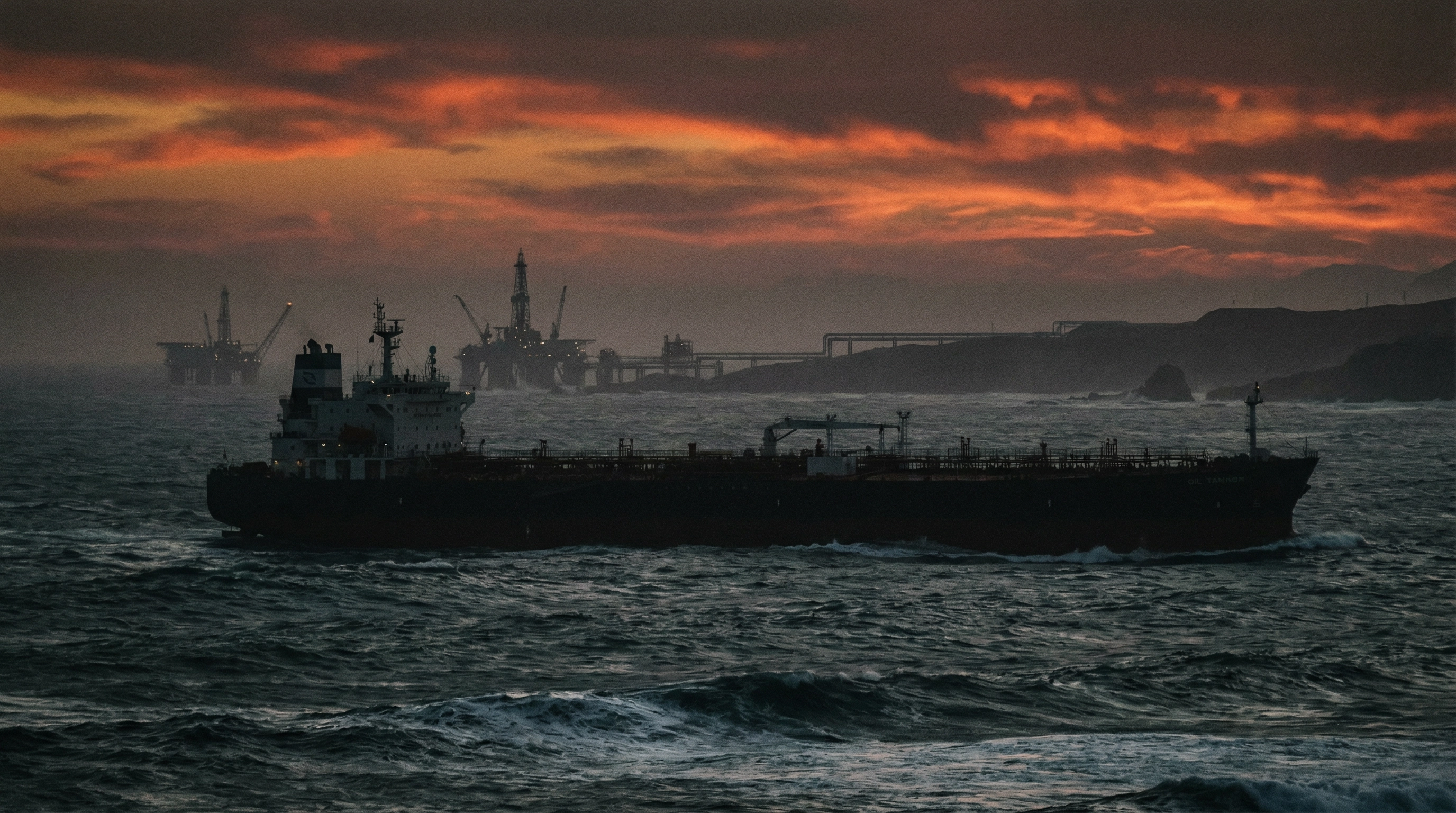
Trump Lifts Russia Oil Sanctions to Help Oil Flow Amid Iran War

Trump administration expands Russian oil sanctions waivers to all international buyers, aiming to stabilize energy markets amid Iran conflict. Oil prices fall 3.2% on the announcement, though long-term impact remains uncertain as Middle East tensions persist.
WASHINGTON, D.C. — In a significant shift in energy policy, the Trump administration announced on March 13 that it is expanding sanctions relief for Russian oil exports, permitting all international buyers to purchase crude from Moscow without facing secondary sanctions. The decision comes as global oil prices remain elevated due to the ongoing Iran conflict and disruptions to Middle Eastern shipping lanes.
The administration stated that the waiver, effective immediately, applies to all countries and companies purchasing Russian oil, reversing previous restrictions that had limited purchases to specific allied nations. White House officials argued that the move is necessary to prevent further energy price spikes that could destabilize the global economy during the current military crisis.
"We are taking action to ensure stable energy supplies for our allies and partners," said a State Department spokesperson in a briefing. "The current geopolitical situation requires pragmatic energy policy that prioritizes economic stability."
The decision has immediate market implications. Brent crude fell 3.2% on the announcement, dropping from $98 per barrel to $94.80. However, analysts warn that the relief may be temporary, as the Iran conflict continues to threaten shipping through the Strait of Hormuz—a chokepoint that carries approximately 20% of the world's oil supply.
Russia, which has faced severe economic sanctions since its 2022 invasion of Ukraine, welcomed the decision. Russian Energy Minister Nikolai Shulginov stated that Moscow is prepared to increase production to meet global demand. "This is a pragmatic decision that reflects the realities of global energy markets," he said in a statement.
However, the move has drawn criticism from human rights organizations and some congressional Democrats, who argue that sanctions relief undermines efforts to hold Russia accountable for alleged war crimes in Ukraine. Senator Elizabeth Warren called the decision "a betrayal of democratic values," while Amnesty International warned that the move could embolden further Russian aggression.
The European Union has not yet responded officially, though EU officials have expressed concern about coordinating energy policy with the United States. Some EU member states, particularly Poland and the Baltic nations, have historically opposed any sanctions relief for Russia.
Energy analysts predict that the waiver could increase Russian oil exports by 500,000 to 1 million barrels per day, potentially offsetting some of the supply disruptions caused by the Iran conflict. However, the long-term impact on global oil prices remains uncertain, dependent on the trajectory of the Middle East crisis.
The decision represents a significant departure from the Biden administration's approach, which had maintained strict sanctions on Russian energy exports. It also signals the Trump administration's prioritization of energy stability over geopolitical pressure on Russia, a strategy that may have implications for broader U.S. foreign policy in Eastern Europe and the Middle East.
Market observers will be watching for responses from OPEC+ nations, which have historically coordinated production cuts to support oil prices. Any coordinated production increase by Russia and OPEC+ could significantly impact energy markets in the coming weeks.
Related Reports
US-Iran Ceasefire Talks Collapse: US Navy Blockades Iranian Ports as Fragile Truce Holds

Israel Escalates Lebanon Campaign as Ceasefire Excludes Hezbollah Ahead of Washington Talks