Trump Predicts Iran War Will End 'Soon' as Dubai Airport Hit in Drone Attack

President Trump claims the Iran war will end soon with 'nothing left to hit,' but Israel's defense minister says operations will continue indefinitely. Two Iranian drones struck near Dubai International Airport, and Iran still has an estimated 80,000 Shahed drones in reserve.
As the US-Israel military campaign against Iran enters its twelfth day, the conflict's trajectory remains deeply contested among key stakeholders. Former President Donald Trump, speaking to Axios, projected an imminent conclusion to the war, asserting that there is "practically nothing left" for coalition forces to target within Iran. He characterized the operation as progressing "way ahead of the timetable" and claimed the war was "going great." However, his optimism starkly contrasts with the more measured stance of Israeli Defense Minister Israel Katz, who emphasized that the campaign would continue "without any time limit" until all strategic goals are achieved, reflecting a significant divergence in expectations between the United States and Israel.
Militarily, the conflict has evolved into a complex, multi-front confrontation with significant drone and missile activity. Iran's use of its vast Shahed drone arsenal—estimated at around 80,000 units—remains a formidable challenge. Recent drone attacks near Dubai International Airport injured four workers, demonstrating Tehran's capability to extend its reach beyond its borders and directly impact the United Arab Emirates (UAE), a key regional player. Moreover, Iran's targeted strikes have damaged US air defense radars across Jordan, the UAE, and Qatar, signaling a strategic effort to undermine coalition defensive systems and assert control over regional airspace.
The UAE has been a critical front in the conflict's missile exchanges, successfully intercepting 241 out of 262 ballistic missiles fired at its territory, achieving a remarkable 92 percent interception rate. This robust air defense capability has mitigated what could otherwise have been devastating damage to civilian infrastructure and lives. Meanwhile, Israel claims to have destroyed over 300 Iranian ballistic missile launchers, which they estimate to be about 60 percent of Iran's stockpile. These figures underscore the scale and intensity of the aerial warfare component, highlighting the technological sophistication and defensive resilience of coalition partners.
The geographic scope of US and Israeli airstrikes has expanded significantly since the war's onset. Initial attacks focused on military sites but have increasingly targeted economic infrastructure, including banks and oil facilities. Cities such as Tehran, Tabriz, and Qom have suffered repeated bombardments, reflecting a strategic shift aimed at undermining Iran's economic stability and war-sustaining capabilities. This escalation signals a willingness to inflict broad-spectrum damage, which may further destabilize the country but also risks deepening humanitarian consequences and regional instability.
Iran's President Masoud Pezeshkian has articulated three conditions for peace that reflect Tehran's core demands: recognition of Iran's legitimate rights, payment of reparations for damages incurred during the conflict, and firm international guarantees to prevent future hostilities. These stipulations indicate Tehran's insistence on securing both dignity and security assurances in any ceasefire or peace agreement. However, given the current state of hostilities and the divergent war aims of the US and Israel, reconciliation on these terms appears distant, prolonging uncertainty over the war's endgame.
Politically, the war has intensified tensions within the Gulf and beyond. The UAE, traditionally a mediator in regional disputes, has become a direct target, with drone attacks near Dubai International Airport underscoring its vulnerability. The attack on one of the world's busiest airports not only injured civilians but also sent a stark warning to Gulf states about Tehran's willingness to escalate the conflict outside Iranian borders. This development complicates the UAE's balancing act between economic openness and regional security, potentially reshaping alliances and defense postures.
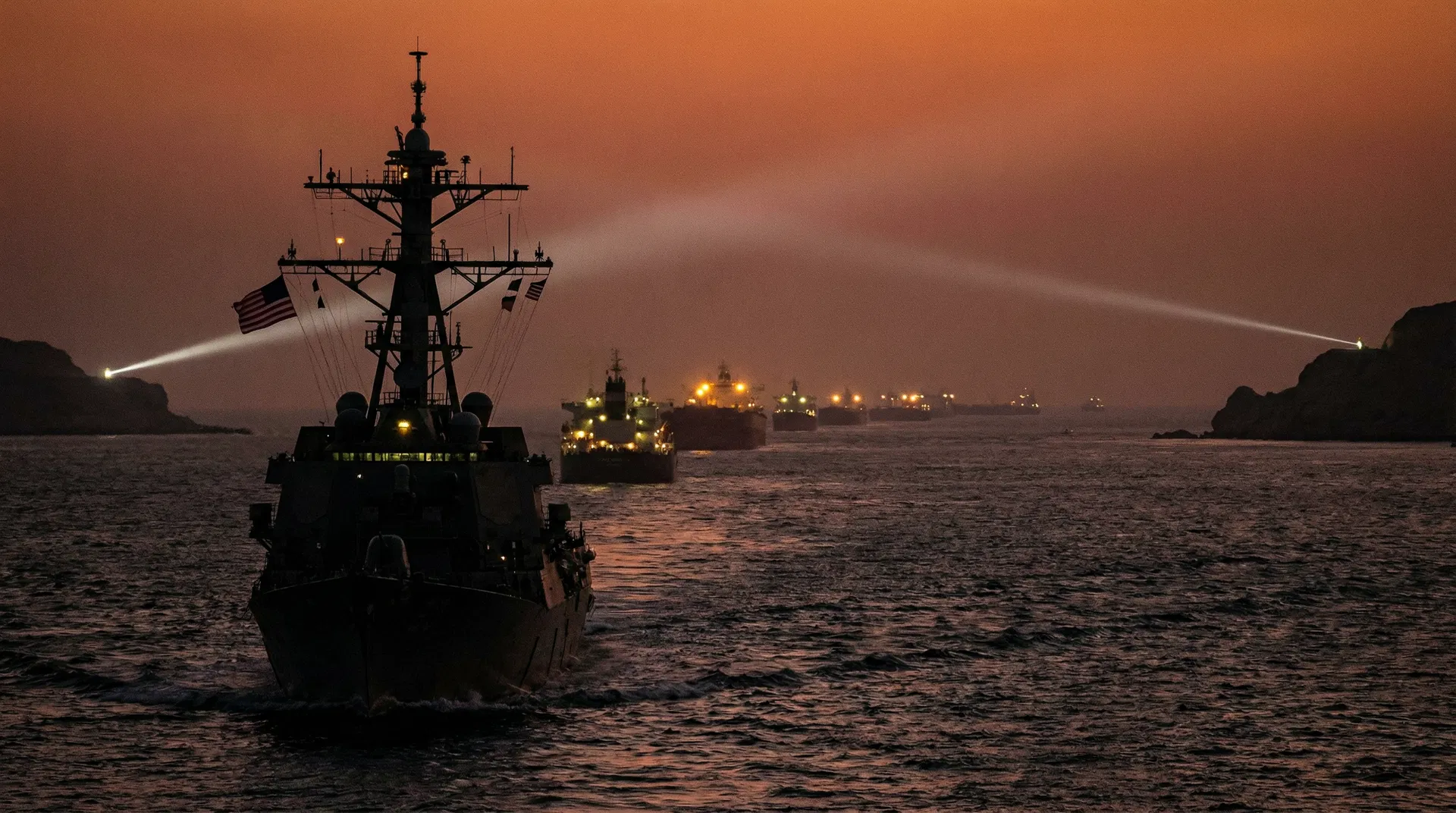
The Strait of Hormuz, a vital chokepoint for global oil supplies, remains effectively closed due to Iranian naval and missile activity. Disruptions in this narrow waterway have sent shockwaves through international energy markets, exacerbating global economic uncertainties. Iran's targeting of commercial vessels has amplified fears of a protracted conflict that could destabilize energy flows for months, if not years. This maritime blockade is a strategic lever for Tehran, aimed at pressuring both the West and Gulf allies by threatening the world's energy security.
Economically, the impact of the conflict is rippling far beyond Iran's borders. The closure of the Strait of Hormuz has driven oil prices higher and fuelled volatility in global markets. Damage to Iran's oil and banking infrastructure is designed to cripple Tehran's revenue streams, but it also risks collateral damage to civilian populations and regional trade. The ongoing hostilities are straining the economies of countries involved in or adjacent to the conflict, including Jordan, Qatar, and the UAE, as they grapple with increased security costs and disrupted trade routes.
The contrasting narratives between the United States and Israel underscore a complex alliance dynamic. While Trump's public optimism suggests a swift conclusion, Israel's defense leadership is communicating a longer, more grinding campaign. This discrepancy may reflect differing strategic priorities and assessments of Iran's resilience. Israel's insistence on an open-ended timeline signals its commitment to decisively dismantle Iran's military capabilities, whereas the US appears more focused on managing and hastening conflict resolution. This divergence could complicate coalition coordination and post-war planning.
On the ground, the human toll continues to mount. The intensification of airstrikes on urban centers has raised concerns about civilian casualties and infrastructure destruction. The expanding target set—from military installations to critical economic sectors—suggests that the war's impact will resonate through Iranian society long after active hostilities cease. Humanitarian organizations are increasingly alarmed by the potential for widespread displacement and economic hardship, which could fuel further instability and radicalization within the region.
Iran's strategic use of drone and missile forces to strike deep into Gulf territories, including the UAE, demonstrates a shift in regional power dynamics. These attacks not only challenge coalition air defenses but also serve as psychological warfare aimed at unsettling Gulf states and their Western allies. The UAE's ability to intercept the majority of incoming missiles is a testament to its advanced defense infrastructure, but the persistent threat underscores the risk of escalation. As the conflict grinds on, Gulf countries may be forced to reassess their security strategies and alliances in response to Iran's asymmetric warfare capabilities.
In conclusion, the war between the US-Israel coalition and Iran remains a multifaceted conflict marked by military intensity, economic disruption, and political complexity. While former President Trump's prediction of a swift end contrasts sharply with Israeli calls for a prolonged campaign, the realities on the ground suggest that the conflict's resolution will be neither quick nor simple. The closure of the Strait of Hormuz, attacks on Gulf cities, and damage to vital economic infrastructure highlight the war's far-reaching consequences, foreshadowing a protracted struggle with profound regional and global implications.
Frequently Asked Questions
What did President Trump say about the Iran war?
How has Israel responded to Trump's comments on the war ending?
What happened at the Dubai International Airport?
What weapons does Iran still have available?
Related Reports
US-Iran Ceasefire Talks Collapse: US Navy Blockades Iranian Ports as Fragile Truce Holds
Israel Escalates Lebanon Campaign as Ceasefire Excludes Hezbollah Ahead of Washington Talks