Iran War Triggers Worst Global Trade Rupture in 80 Years

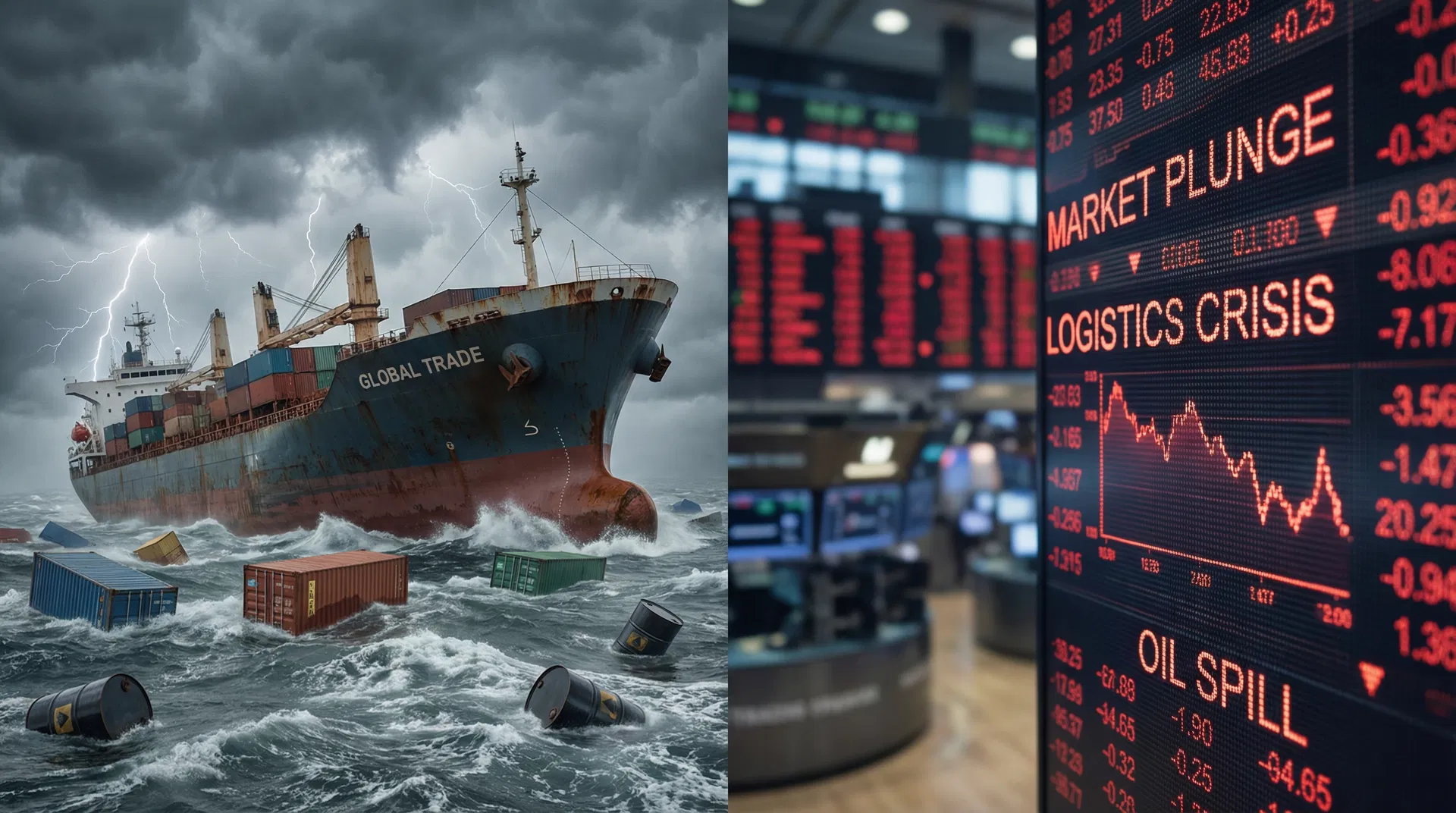
The war in Iran has triggered the most severe global trade disruption in 80 years, centered on the closure of the Strait of Hormuz. This has caused oil prices to surge, financial markets to enter a state of turmoil, and a cascade of economic and humanitarian crises to unfold across the world, threatening a global recession.
The war in Iran has escalated into the most severe disruption of global trade since the Second World War, creating a cascading crisis that threatens to unravel the intricate web of the world economy. The conflict, which has led to the closure of the vital Strait of Hormuz, is now radiating outward from the Middle East, with devastating consequences for food security, economic stability, and humanitarian conditions across the globe. Analysts are warning that the world is on the precipice of a new economic reality, one defined by scarcity, volatility, and geopolitical realignment.
FINANCIAL MARKETS IN TURMOIL
In a counterintuitive turn, the traditional safe havens of gold and defense stocks have seen significant sell-offs. This unexpected market behavior suggests a deep-seated fear of a prolonged and widespread conflict that could cripple global economic activity, leading investors to flock to the relative safety of the US dollar. The strengthening of the dollar, while a boon for the US, is putting immense pressure on emerging economies, which are now facing the double-edged sword of higher import costs and a more expensive dollar-denominated debt.
THE STRAIT OF HORMUZ: A GLOBAL CHOKEPOINT
The closure of the Strait of Hormuz, a chokepoint for nearly a third of the world's seaborne oil, has sent crude prices skyrocketing to levels not seen in over a decade. This has had an immediate and dramatic impact on energy-importing nations, particularly in Asia and Europe, which are now grappling with soaring inflation and the specter of a deep recession. The disruption of this critical artery of global trade has exposed the fragility of the world's energy supply chains and the profound economic consequences of geopolitical instability in the Middle East.
HIDDEN COSTS AND GLOBAL RIPPLE EFFECTS
Beyond the immediate impact on oil prices, the conflict is exacting a heavy toll on a wide range of industries, from manufacturing and shipping to agriculture and tourism. The disruption of supply chains is creating shortages of essential goods and driving up prices for consumers worldwide. The World Trade Organization has warned that the conflict could lead to a sharp contraction in global trade, with a particularly severe impact on developing countries that are already struggling with high levels of debt and poverty.
A WIDENING HUMANITARIAN CRISIS
The economic fallout from the war is exacerbating an already dire humanitarian situation in many parts of the world. Rising food and energy prices are pushing millions of people into poverty and food insecurity, while the disruption of trade is hindering the delivery of humanitarian aid to those in need. The international community is now facing the monumental challenge of addressing a complex and interconnected crisis that spans the economic, political, and humanitarian spheres.
THE GEOPOLITICAL CHESSBOARD
The Iran war is not just an economic crisis; it is also a geopolitical one. The conflict is reshaping alliances and power dynamics in the Middle East and beyond, with major powers like the United States, China, and Russia all vying for influence. The long-term consequences of this geopolitical realignment are still uncertain, but it is clear that the world is entering a new era of strategic competition and instability.
A WORLD ON EDGE
As the war in Iran continues with no end in sight, the world holds its breath. The economic and humanitarian consequences of the conflict are already immense, and they are likely to grow more severe in the weeks and months to come. The international community is now facing a stark choice: either come together to find a peaceful resolution to the conflict or risk a global catastrophe of unprecedented proportions.
Frequently Asked Questions
What is the primary cause of the global trade rupture?
Why are gold and defense stocks selling off?
What are the wider humanitarian consequences of the crisis?
Related Reports

Iran War's Economic Shockwave: Asia Faces Energy Crisis as Oil Tops $106
Top 10 Most Powerful Militaries in the World 2026: Rankings and Analysis