Strait of Hormuz Under Siege: Iran's Escalation Drives Oil to $100 Amid US-Iran War

On day 12 of the US-Iran conflict, Iran's new Supreme Leader vowed to close the Strait of Hormuz, leading to attacks on three commercial vessels and driving oil prices to $100 per barrel. The US has spent $11.3 billion in the first six days, a refueling plane crashed, and a widening humanitarian crisis persists as the US investigates a strike on a girls' school.
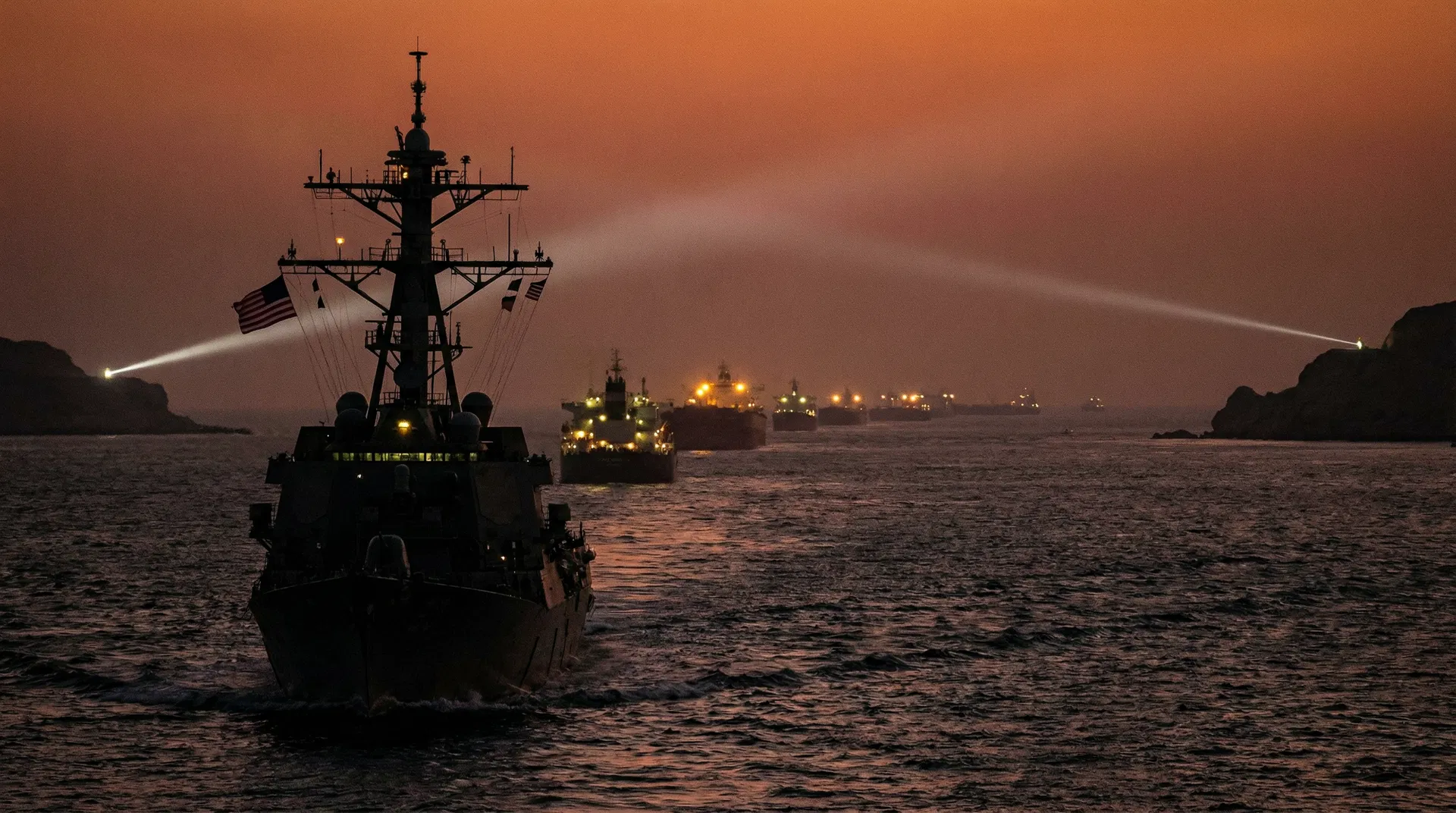
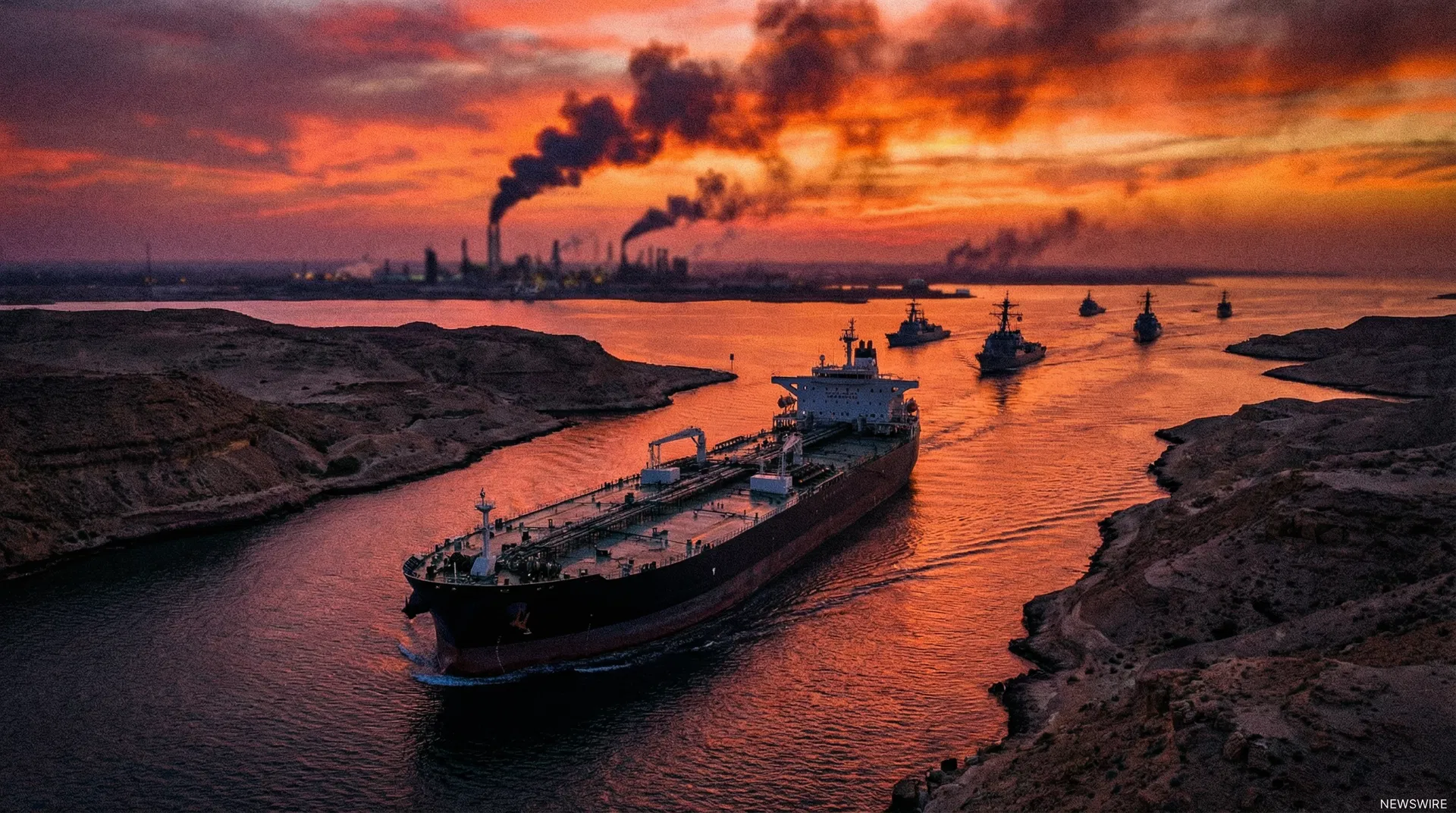
DUBAI, UAE – The conflict between the United States, its allies, and Iran has entered a perilous new phase, marked by a dramatic escalation of hostilities centered on the Strait of Hormuz. As the twelfth day of fighting concludes, the strategic waterway, through which a fifth of the world's oil supply passes, is now a primary theater of engagement, with profound implications for global energy markets and regional stability. The immediate consequence: oil prices have surged to approximately $100 per barrel, a stark indicator of the deepening crisis.
The catalyst for this latest surge in tensions appears to be the incendiary declaration from Iran's newly installed Supreme Leader, Mojtaba Khamenei. In his first significant public pronouncement since assuming the mantle of leadership, Khamenei vowed to permanently close the Strait of Hormuz, a threat that has historically been met with a firm international response. This pronouncement was swiftly followed by concrete actions: three commercial vessels were attacked in quick succession near the Strait of Hormuz and within the broader Gulf of Oman. While direct attribution for these attacks remains officially unconfirmed by the Pentagon or regional naval commands, the timing and location strongly suggest an Iranian response to the ongoing military pressure.
The attacks on commercial shipping represent a significant tactical shift for Tehran. Historically, Iran has employed asymmetric tactics, including harassment of vessels and mining, but direct attacks on multiple commercial ships signal a willingness to directly challenge international maritime freedom and risk a broader naval confrontation. This move is designed to inflict economic pain on the global economy, leveraging Iran's geographic chokehold on the Strait to deter further military action against its territory. The immediate spike in oil prices confirms the efficacy of this strategy in the short term, creating a powerful economic leverage point for Tehran.
The financial cost of this burgeoning conflict is already staggering. The Pentagon has reported that the first six days alone incurred an expenditure of $11.3 billion for the United States. This figure, likely to have significantly increased given the intensified air and naval operations, underscores the immense financial burden of sustained high-intensity conflict. For context, this initial cost is comparable to the monthly expenditures during the peak of the Iraq War, indicating the scale and complexity of current operations against Iran's more sophisticated and geographically dispersed defenses.
Militarily, the situation remains fluid and fraught with danger. A US refueling plane reportedly crashed during ongoing operations, a stark reminder of the inherent risks faced by coalition forces. While details surrounding the incident are still emerging, such losses, even if accidental, contribute to the psychological toll of prolonged conflict and can impact operational tempo. The sheer volume of air sorties and naval patrols required to maintain pressure on Iran while simultaneously protecting vital shipping lanes stretches resources and increases the probability of both accidental and hostile encounters.
The closure of the Strait of Hormuz is not merely a tactical maneuver; it is an act of economic warfare designed to globalize the conflict and force international intervention or concessions. The world cannot afford to ignore the implications of such a blockade.
The strategic implications of a sustained closure or even significant disruption of the Strait of Hormuz are catastrophic. Global energy markets would be thrown into chaos, leading to recessionary pressures worldwide. Major economies, heavily reliant on Middle Eastern oil, would face unprecedented challenges, potentially triggering a cascade of geopolitical and economic instability. This is precisely the leverage Iran seeks to exploit, betting that the international community will pressure the US and Israel to de-escalate rather than endure a global economic meltdown.
Beyond the immediate military and economic ramifications, the humanitarian crisis across the region is widening at an alarming pace. Reports from UN agencies and non-governmental organizations indicate a rapidly deteriorating situation, with displaced populations increasing, access to aid becoming more challenging, and essential services collapsing in conflict-affected areas. The human cost of this conflict, often overshadowed by geopolitical maneuvering, is becoming increasingly dire, demanding urgent international attention and intervention.
Adding another layer of complexity and potential controversy, the US military is currently investigating a strike that reportedly hit a girls' school. While the circumstances surrounding the incident are unclear – whether it was an accidental strike, a misidentified target, or the result of Iranian forces operating in civilian areas – such events invariably fuel anti-coalition sentiment and provide potent propaganda material for Tehran. Adherence to the laws of armed conflict and rigorous investigation of civilian casualties are paramount, not only for ethical reasons but also to maintain international legitimacy and support for the campaign.
Related Reports
US-Iran Ceasefire Talks Collapse: US Navy Blockades Iranian Ports as Fragile Truce Holds
Israel Escalates Lebanon Campaign as Ceasefire Excludes Hezbollah Ahead of Washington Talks