Ukraine and Russia Accuse Each Other of Breaching Easter Ceasefire as War Enters Fifth Year
A 32-hour Orthodox Easter ceasefire between Russia and Ukraine has been marred by thousands of alleged violations from both sides. As the conflict grinds through its fifth year, diplomatic progress remains stalled, with Moscow demanding territorial concessions and Kyiv pushing to freeze the current front lines.
The warring sides in the Russia-Ukraine conflict have traded accusations of violating a temporary ceasefire implemented for the Orthodox Easter holiday. The 32-hour truce, ordered by Russian President Vladimir Putin following a proposal from Ukrainian President Volodymyr Zelenskyy, took effect on April 11 but quickly dissolved into reciprocal claims of military aggression.
The Ukrainian military's general staff reported nearly 2,300 ceasefire violations by Russian forces by Sunday morning. "As of 7:00 am on 12 April, 2,299 ceasefire violations were recorded. Specifically: 28 enemy assault actions, 479 enemy shellings, 747 strikes by attack drones... and 1,045 strikes by FPV drones," the military stated.
Conversely, the Russian Ministry of Defence claimed Kyiv breached the agreement almost 2,000 times. Moscow accused Ukrainian forces of firing 258 times using artillery or tanks and executing 1,329 First-Person View (FPV) drone strikes between Saturday afternoon and Sunday morning. Russian officials also alleged that Ukrainian forces attempted four advances along the front line, all of which were reportedly thwarted.
Despite the extensive list of alleged violations, the Ukrainian army noted a significant reduction in certain types of attacks. Notably, there were no recorded long-range Shahed drone attacks, guided aerial bombings, or missile strikes during the truce period. This temporary cessation of heavy bombardment provided a brief respite for some frontline units.
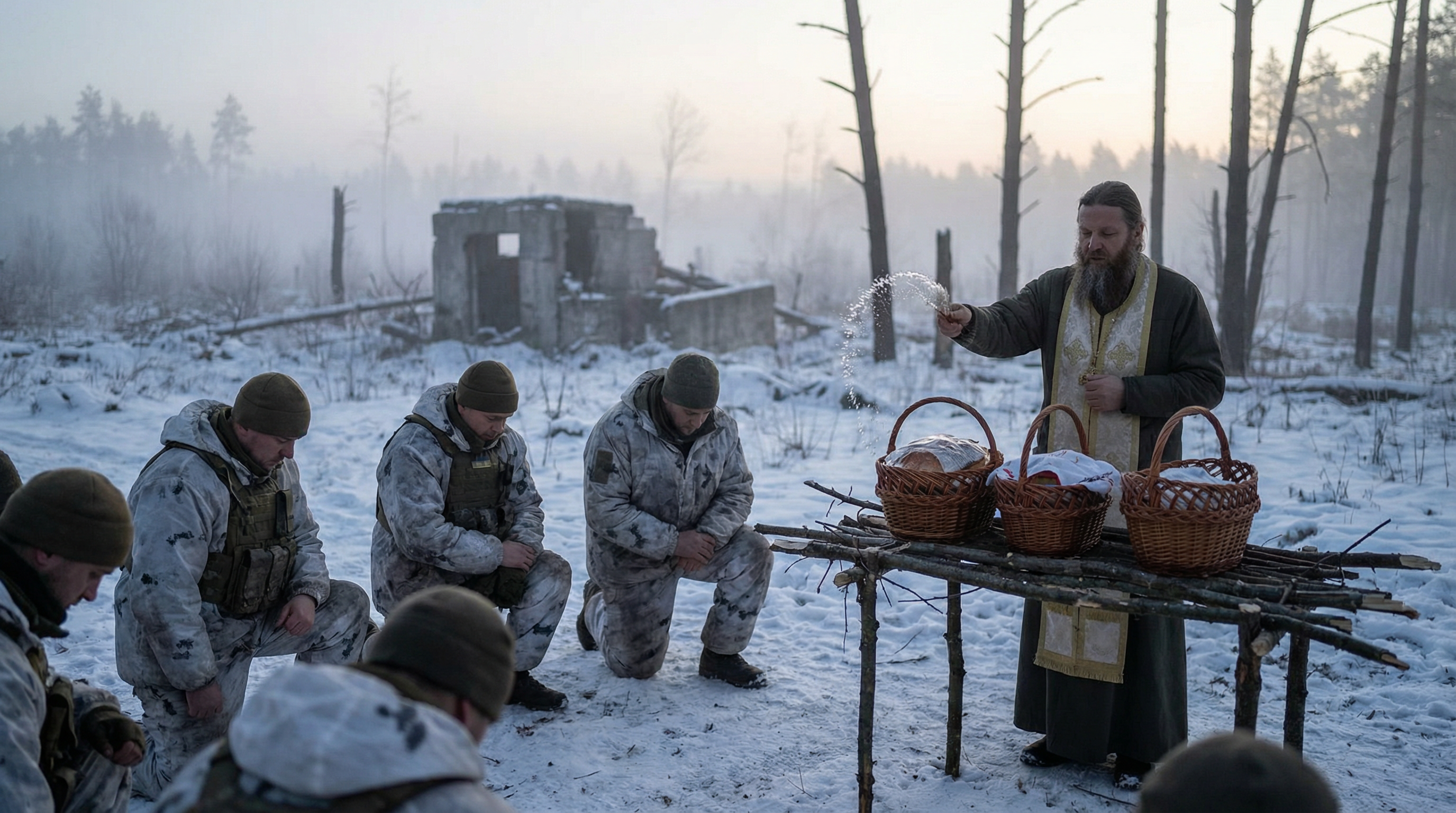
Lieutenant Colonel Vasyl Kobziak of the 33rd Mechanised Brigade told AFP that things were "rather calm" in his sector in northeastern Ukraine's Kharkiv region. "Our comrades have the chance, as you can see, to have their Easter baskets blessed and to feel the warmth and joy of this holiday," he said.
The prospects for a lasting peace agreement appear increasingly remote. The Kremlin has explicitly stated that it will not extend the truce unless Kyiv accepts its territorial demands. Kremlin spokesman Dmitry Peskov emphasized that Russia still intends to take control of the remaining 17-18 percent of the disputed Donetsk region.
Ukraine has previously proposed freezing the conflict along the current front lines, a suggestion Russia has firmly rejected. The diplomatic impasse has been further complicated by the recent outbreak of war in the Middle East between the US, Israel, and Iran, which has diverted Washington's attention and resources away from the European theater.
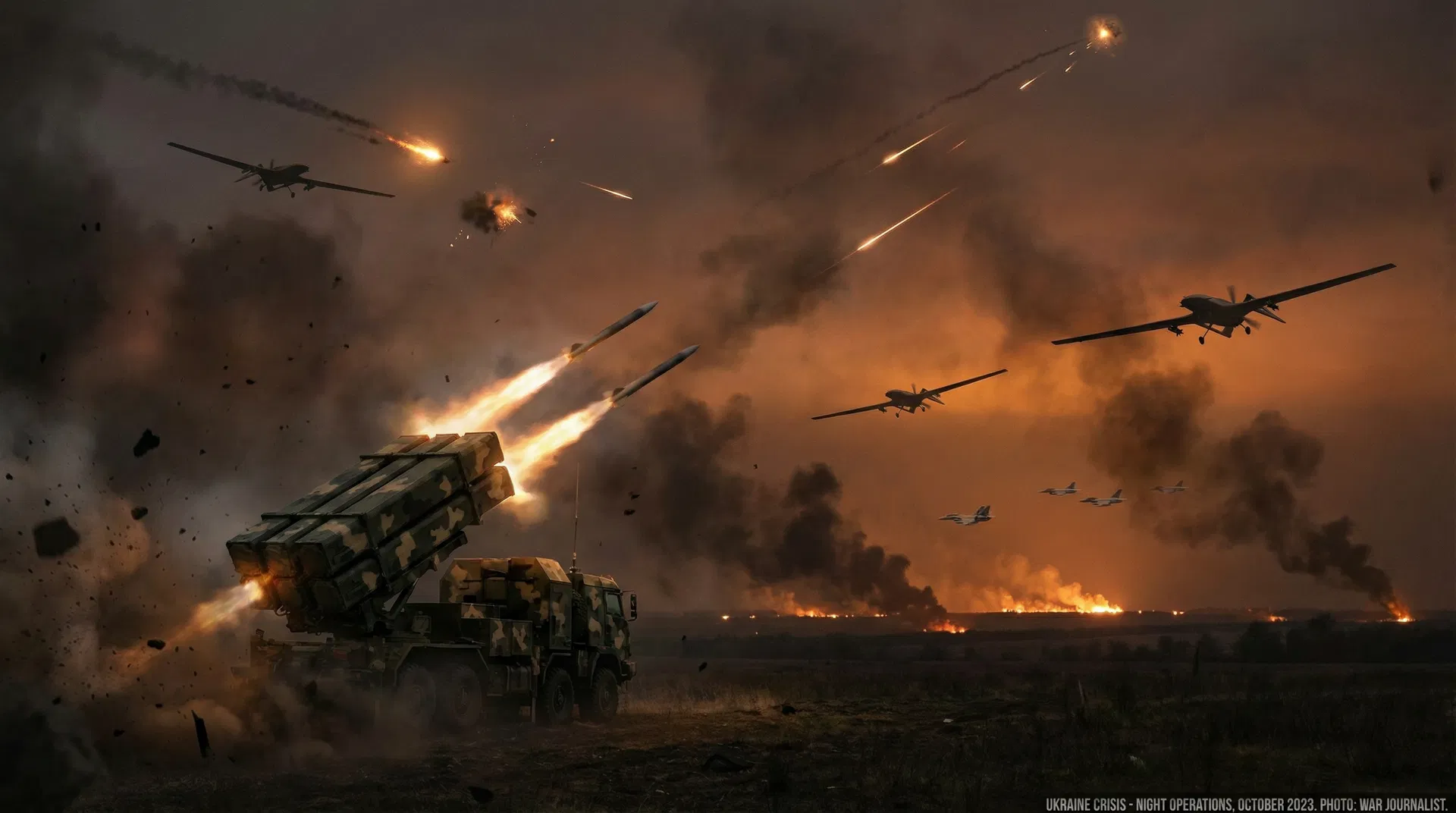
The conflict, now in its fifth year since the February 2022 invasion, has increasingly relied on drone warfare. Recent reports indicate that Russian forces have significantly expanded their Unmanned Systems Forces, reportedly growing to over 101,000 servicemembers by early April 2026.
Frequently Asked Questions
Who initiated the Easter ceasefire?
What were the primary violations reported?
Why are peace negotiations currently stalled?
Related Reports
Orban Era Ends: Hungarian Prime Minister Defeated in Historic Election by Peter Magyar
Russia Unleashes Massive Spring Offensive as Iran War Diverts US Focus