Orban Era Ends: Hungarian Prime Minister Defeated in Historic Election by Peter Magyar

Hungarian Prime Minister Viktor Orban has conceded defeat after 16 years in power, losing a historic election to 45-year-old former party insider Peter Magyar. The victory of Magyar's center-right Tisza party marks a seismic shift in European politics, potentially reshaping Hungary's stance on the EU, NATO, and the ongoing war in Ukraine.
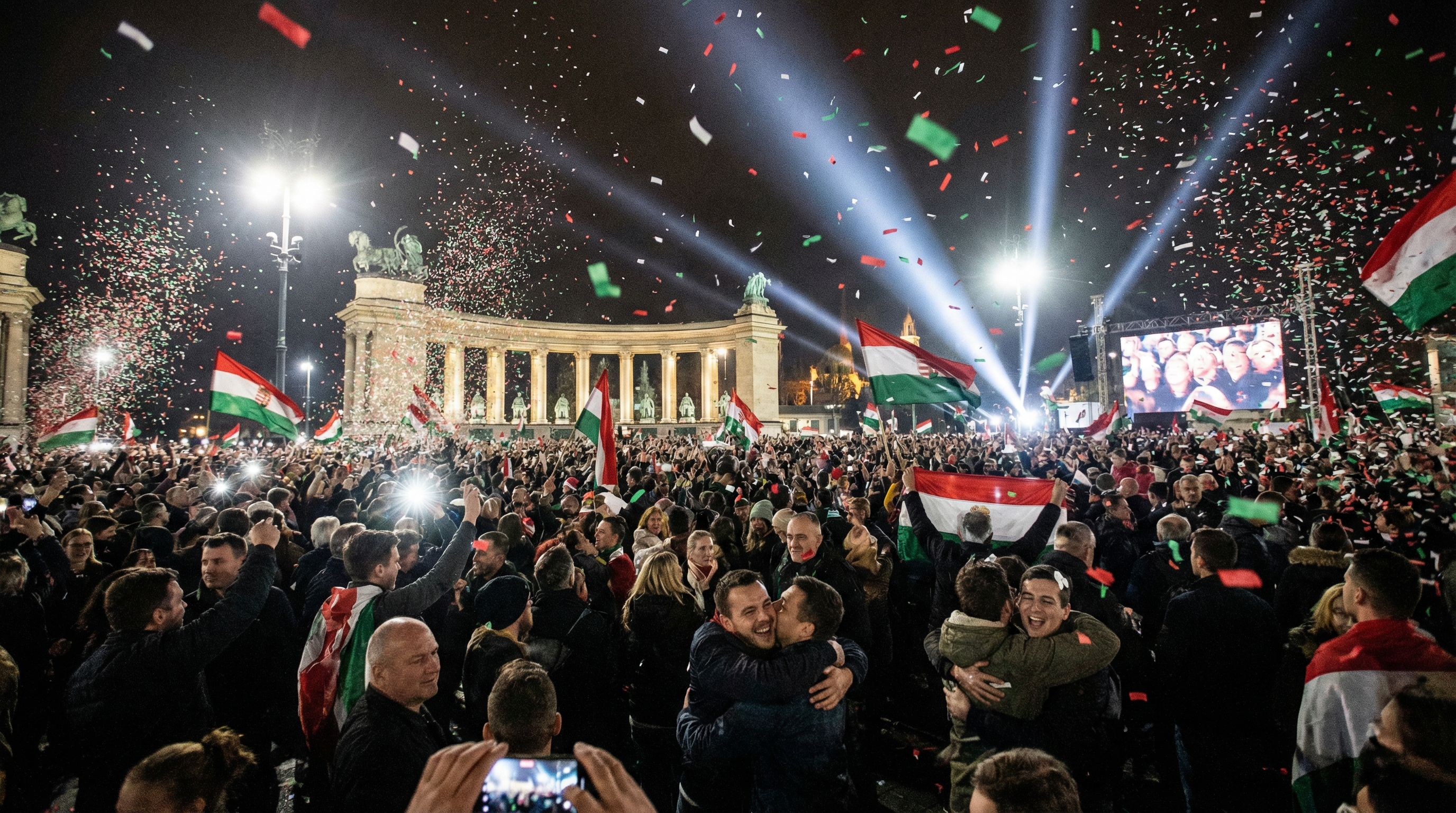
In a stunning political upset, Hungarian voters have ousted long-serving Prime Minister Viktor Orban, ending his 16-year grip on power. Orban conceded defeat on Sunday, acknowledging what he described as a "painful" election result. The victory belongs to Peter Magyar, a 45-year-old former insider of Orban's Fidesz party, who led his center-right Tisza party to a decisive win.
The election saw the highest voter turnout since the 1990s, signaling a profound desire for change among the Hungarian electorate. Magyar's campaign successfully galvanized voters frustrated by Orban's increasingly authoritarian policies, democratic backsliding, and close ties to Moscow and Beijing. Early results indicate that the Tisza party is on track to secure a two-thirds majority in parliament, a supermajority that would grant Magyar the power to amend the country's constitution.
Orban's defeat carries significant implications far beyond Hungary's borders. For over a decade, he has been a disruptive force within the European Union and NATO, frequently blocking or delaying consensus on critical issues, including financial and military aid to Ukraine. His close relationships with Russian President Vladimir Putin and former US President Donald Trump often placed him at odds with his Western allies.
Magyar has promised a sharp pivot in Hungary's foreign policy. He has pledged to repair frayed relationships with Brussels and Washington, and to align Hungary more closely with mainstream European democratic values. This shift could unblock billions in EU funds that were previously frozen due to concerns over the rule of law and corruption under Orban's government.
Furthermore, the election result removes a key obstacle to unified European support for Ukraine. Orban had consistently opposed providing military aid to Kyiv and maintained strong economic ties with Russia despite the ongoing war. Magyar's victory is likely to be welcomed by Ukrainian leadership and NATO allies seeking a more cohesive front against Russian aggression.
Viktor Orban first served as Prime Minister from 1998 to 2002 and returned to power in 2010. Over his 16 consecutive years in office, he systematically dismantled democratic checks and balances, consolidated control over the media and judiciary, and implemented policies that marginalized minority groups and political opposition.
His self-described "illiberal democracy" became a model for right-wing populist movements globally. The defeat of this model in its European heartland represents a significant blow to the broader populist movement, with potential ripple effects for conservative leaders and parties worldwide.
The transition of power in Budapest comes at a critical moment for European security, with the continent facing simultaneous challenges from the ongoing Russia-Ukraine war and the broader Middle East conflict. Magyar's pro-European stance could help strengthen the continent's collective response to these crises.
Frequently Asked Questions
Who is Peter Magyar?
Why did Viktor Orban lose?
What does this mean for the European Union and Ukraine?
Related Reports
Ukraine and Russia Accuse Each Other of Breaching Easter Ceasefire as War Enters Fifth Year

Russia Unleashes Massive Spring Offensive as Iran War Diverts US Focus