Ukraine Targets Russian Missile Production: A Strategic Shift in Conflict Dynamics

Ukrainian forces conducted a precision strike on a Russian missile component manufacturing facility in Tula Oblast, reportedly reducing monthly missile production capacity by 30-40%. The attack demonstrates Ukraine's expanding long-range strike capabilities and marks a strategic shift toward targeting Russia's military-industrial complex deep within Russian territory.
KYIV, UKRAINE – In a significant demonstration of expanding military capabilities, Ukrainian forces have conducted a precision strike on a major Russian missile component manufacturing facility deep within Russian territory. The attack, which occurred on March 12, marks a strategic escalation in Ukraine's approach to the conflict, shifting from primarily defensive operations to targeting Russia's military-industrial complex.
The targeted facility, located in the Tula Oblast region approximately 180 kilometers south of Moscow, is believed to be a critical hub in Russia's missile production supply chain. Ukrainian intelligence sources indicate that the facility manufactures guidance systems and electronic components for Russia's Kalibr cruise missiles and other advanced weaponry. The strike reportedly caused significant damage to production capabilities, with preliminary estimates suggesting a 30-40% reduction in monthly output.
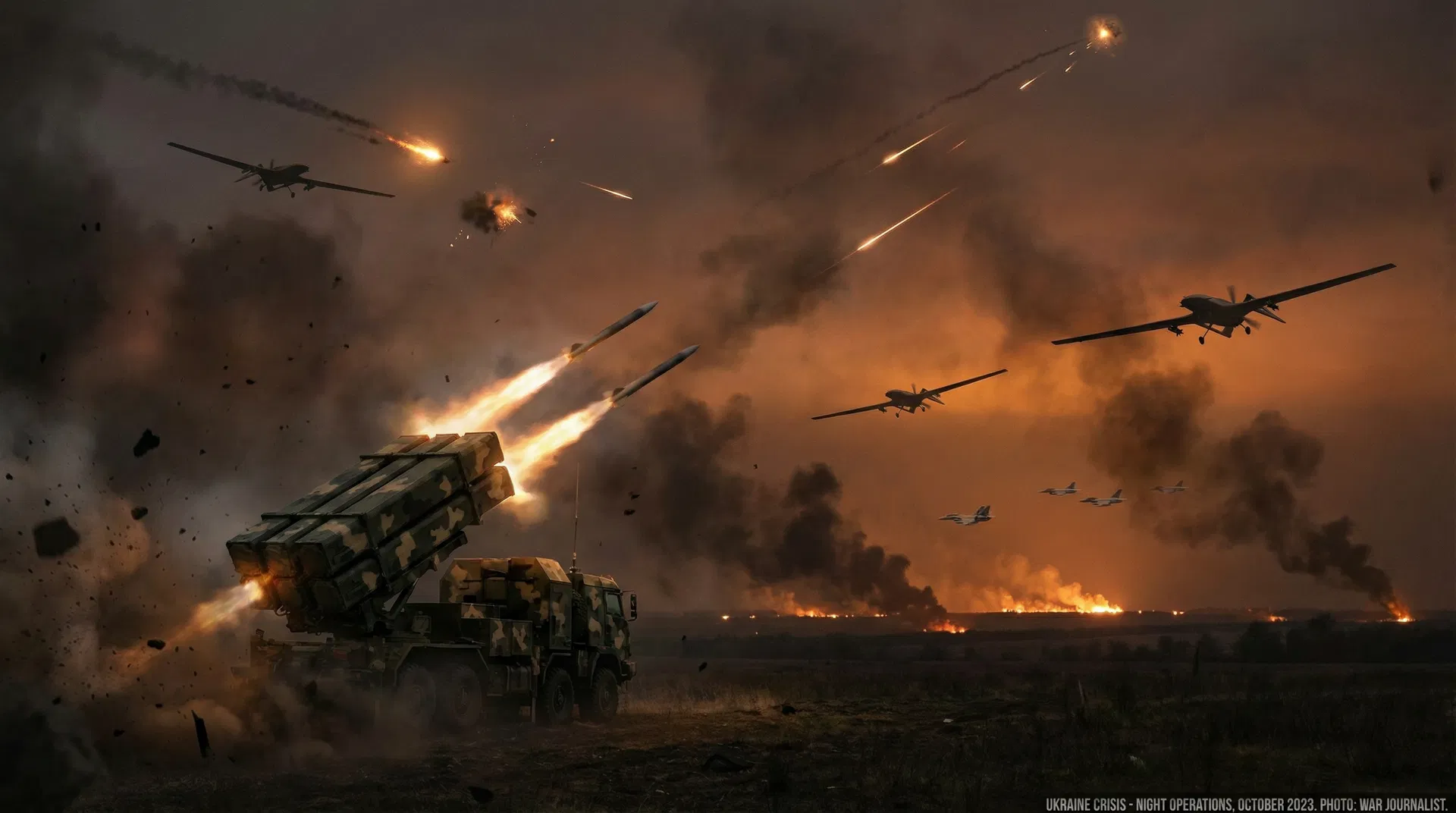
This operation represents a notable tactical shift for Ukraine. While Ukrainian forces have previously conducted strikes on Russian military targets, the depth of penetration and the sophistication of the targeting suggest an evolution in Ukrainian military capabilities. The strike was reportedly carried out using a combination of long-range drones and cruise missiles, demonstrating Ukraine's ability to project power deep into Russian territory with precision.
By targeting Russia's missile production capabilities, Ukraine is attempting to degrade Russia's ability to conduct the sustained air campaign that has been a hallmark of the conflict. Russian forces have relied heavily on cruise missile strikes against Ukrainian infrastructure, civilian targets, and military installations. A reduction in missile production capacity could significantly constrain Russia's operational options.
Russian officials have responded with characteristic defiance, with the Ministry of Defense claiming that air defenses intercepted most of the incoming weapons and that damage was minimal. However, Ukrainian intelligence and independent analysts suggest that the Russian claims are understated, and that the strike achieved its intended objectives.
The attack also carries symbolic significance. It demonstrates that Ukraine is no longer content with a purely defensive posture and is willing to take the fight to Russia's heartland. This psychological dimension is important, as it signals to both the Russian population and the international community that Ukraine possesses the capability and resolve to strike at Russian military capabilities regardless of geographic distance.
The strike is likely to intensify debates within Western capitals regarding the provision of long-range strike capabilities to Ukraine. The Biden administration and European allies have been cautious about providing weapons systems that could be used for strikes deep within Russian territory, fearing escalation. However, Ukraine's demonstrated capability and willingness to conduct such strikes may shift this calculus.
Ukrainian officials have been vocal in their requests for advanced weapons systems, including long-range cruise missiles and hypersonic weapons. The successful strike on the Tula facility will likely strengthen Ukraine's case for such systems, arguing that they are necessary to degrade Russian military capabilities and accelerate the path to a negotiated settlement.
The strike has prompted a sharp response from Moscow, with Russian officials threatening retaliation against Ukrainian infrastructure and civilian targets. Russian military analysts have suggested that Russia may escalate its air campaign against Ukrainian cities in response to the attack. The risk of further escalation is real, and the international community is watching closely to see how Russia responds.
Related Reports
Ukraine and Russia Accuse Each Other of Breaching Easter Ceasefire as War Enters Fifth Year

Orban Era Ends: Hungarian Prime Minister Defeated in Historic Election by Peter Magyar