China-Taiwan Tensions: Defense Budgets Rise as US Stockpile Depletion Raises Alarm

China-Taiwan tensions are rising as both sides increase defense spending to record levels. The US faces a critical stockpile depletion problem — weapons sent to Ukraine and the Middle East have left reserves dangerously low for a potential Taiwan contingency.
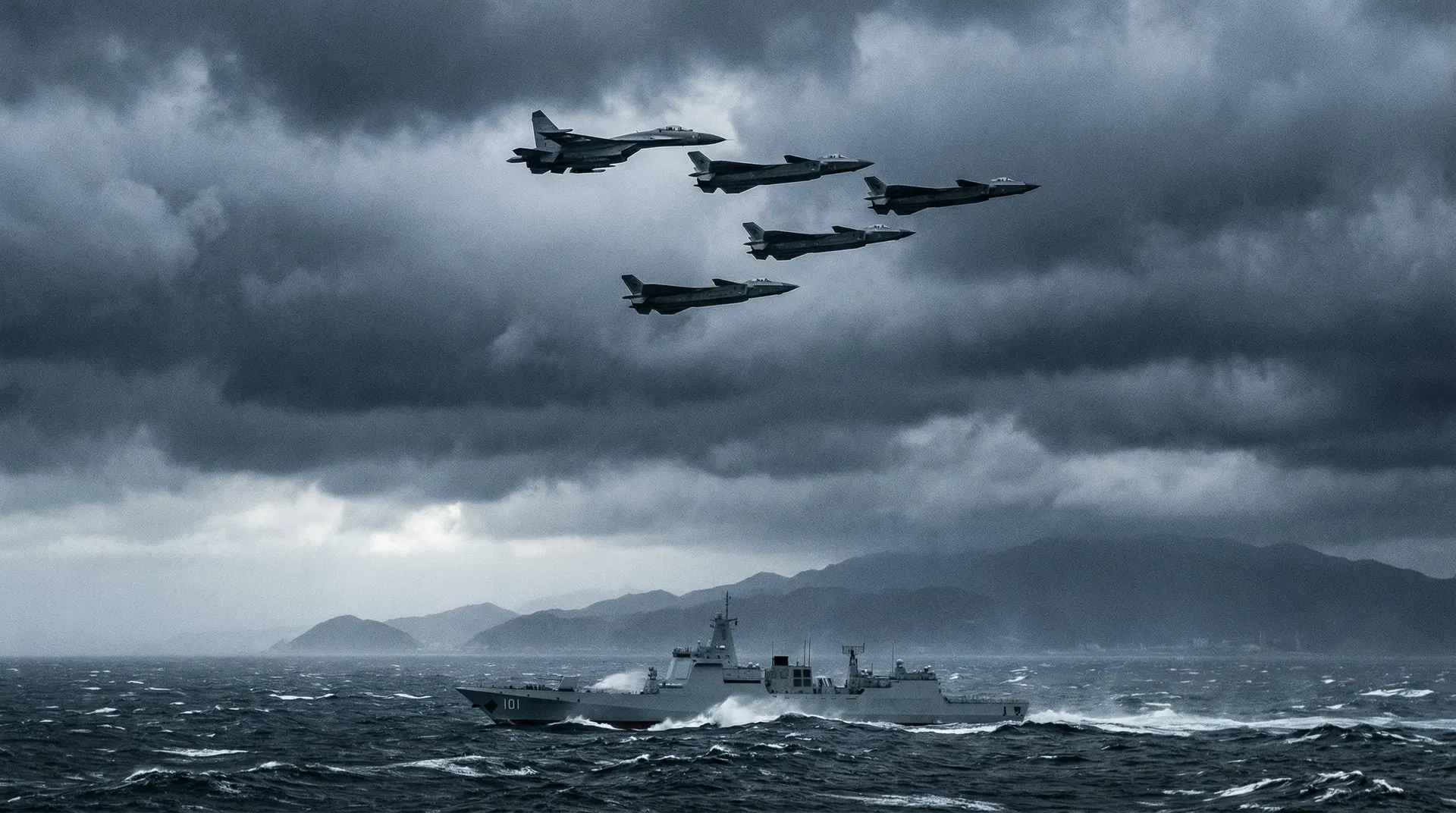
China-Taiwan military tensions remain a critical global concern in March 2026, with both sides adjusting their military postures amid the broader upheaval caused by the Iran conflict. PLA flights near Taiwan have unexpectedly decreased, a development attributed by some analysts to a potential Xi-Trump diplomatic summit or an internal PLA leadership purge following recent anti-corruption campaigns.
Despite this lull in aerial provocations, China reaffirmed its commitment to combating "Taiwan independence" through its annual government work report, maintaining the rhetorical pressure that has characterized cross-strait relations for decades. Beijing's defense white paper reiterated that reunification remains a "historical inevitability."
Taiwan's opposition KMT proposed a NT$350 billion (approximately US$11 billion) special defense budget, reflecting growing bipartisan consensus on the island about the need to strengthen military capabilities. The budget would fund advanced anti-ship missiles, submarine construction, and enhanced air defense systems.
A major concern dominating strategic discussions is the depletion of US missile stockpiles due to the Iran war. The existing US arms backlog to Taiwan already exceeds $20 billion, and the diversion of munitions to the Middle East has raised alarm in Taipei about whether Washington can fulfill its security commitments in the Pacific.
China reported another 7% increase in defense spending in its 2026 budget, bringing total military expenditure to an estimated $250 billion — though analysts believe actual spending may be significantly higher. The increase funds continued naval expansion, advanced missile development, and modernization of the PLA's joint command structure.
In a show of multilateral solidarity, Philippine, US, and Japanese warships conducted joint naval drills near Taiwan on March 4, signaling that the broader Indo-Pacific alliance structure remains intact despite the strain of the Iran conflict. The exercises included anti-submarine warfare drills and maritime domain awareness operations.
Related Reports

Iran War's Economic Shockwave: Asia Faces Energy Crisis as Oil Tops $106

Myanmar's Sham Parliament Convenes: Military Tightens Grip Five Years After Coup