WHO Releases Emergency Funds as Healthcare Collapses Across Lebanon, Iraq, and Syria
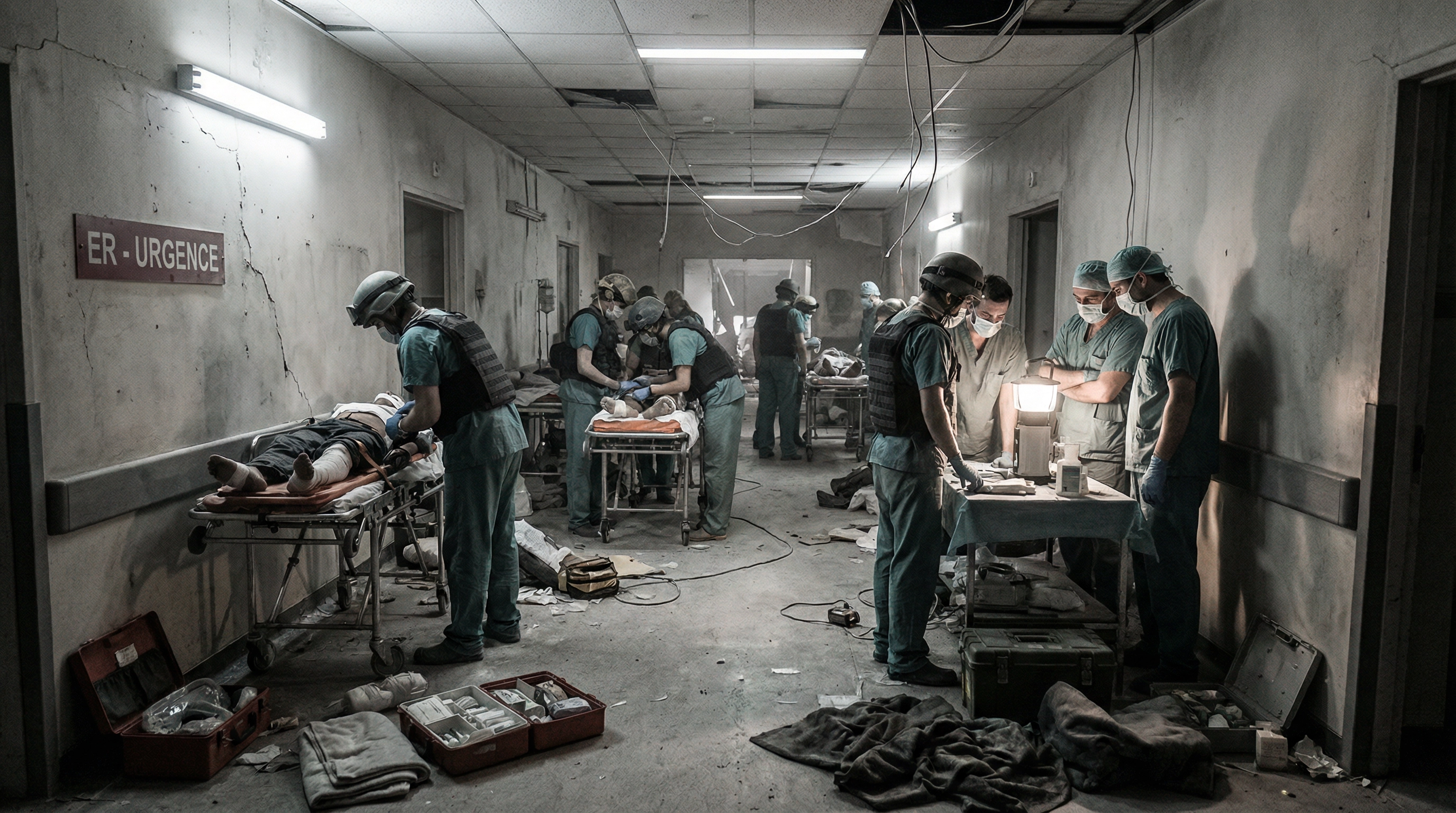
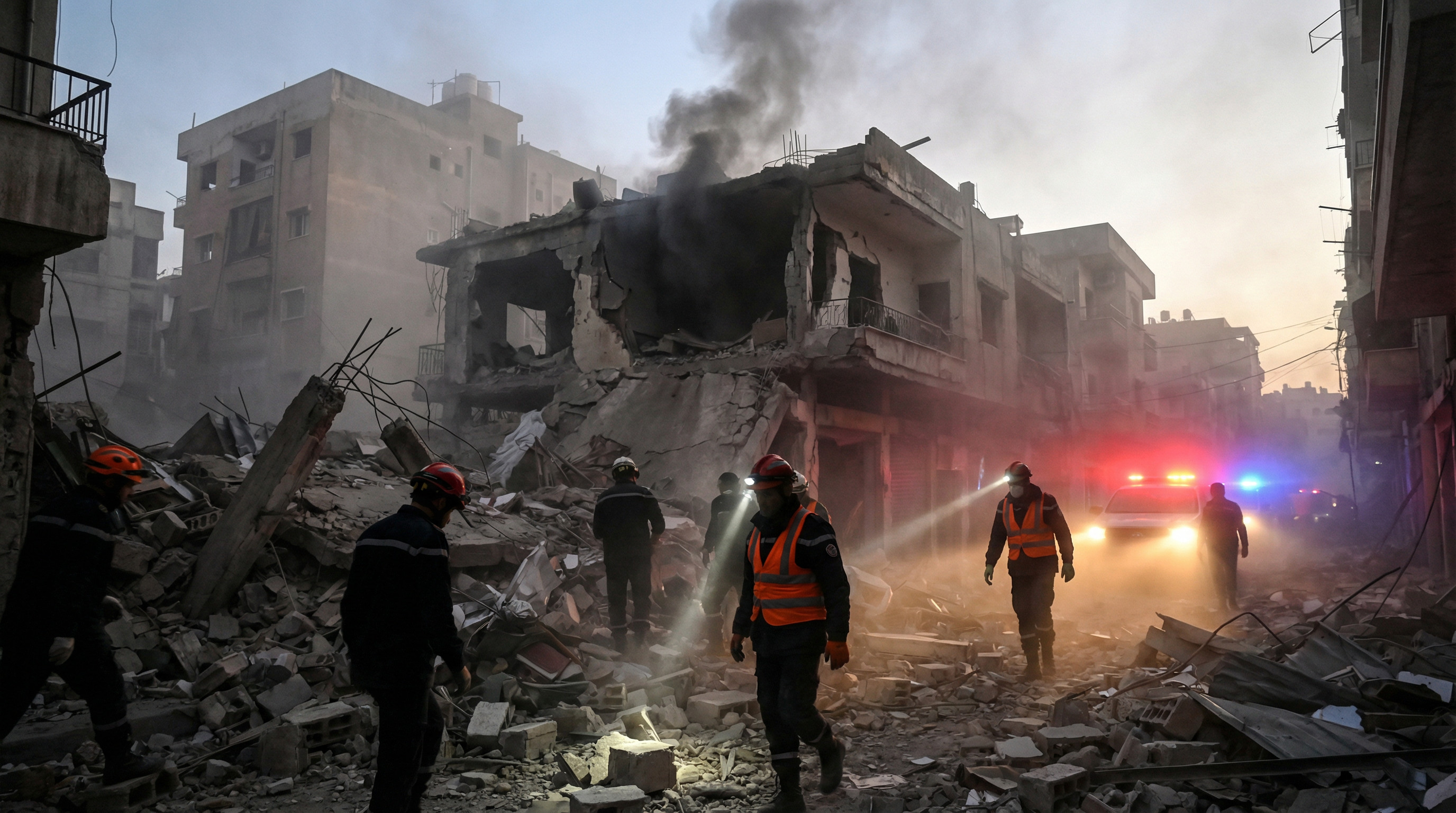
The World Health Organization has released $2 million in emergency funds to support collapsing health systems in Lebanon, Iraq, and Syria. In Lebanon alone, 27 attacks on healthcare facilities have been recorded since March 2, killing at least 30 people including 14 health workers in a single 24-hour period.
GENEVA — The numbers tell a story of systematic destruction. Twenty-seven attacks on healthcare facilities in Lebanon in two weeks. At least 30 deaths. Fourteen health workers killed in a single 24-hour period. A primary healthcare center in Bourj Qalauoiyeh struck at night, killing twelve doctors. Two paramedics dead in a separate attack on another facility hours later.
On Sunday, the World Health Organization responded to this cascade of medical catastrophe with the tools available to it: $2 million in emergency funds, distributed across Lebanon, Iraq, and Syria. It is a number that health workers in the field received with a mixture of gratitude and despair.
"As casualties rise, so do attacks on healthcare, which are increasing the burden on health systems at a time when they are most needed," WHO Director-General Tedros Adhanom Ghebreyesus said in a statement. "I urge all parties to choose the brave and life-saving path to peace."
LEBANON: A SYSTEM AT BREAKING POINT — Lebanon's healthcare system was already fragile before the current conflict began on February 28. Years of economic collapse, a devastating 2020 port explosion, and chronic underfunding had left hospitals operating at reduced capacity with outdated equipment and staff who had not been paid in months. The resumption of large-scale hostilities has pushed that system to the edge of collapse.
The $2 million WHO allocation for Lebanon will be used to strengthen emergency coordination, trauma care, and disease surveillance, while ensuring access to essential medicines and medical supplies. WHO Regional Director Dr. Nana Balkhy noted that at a time of significant cuts to international aid, "a boost for frontline health workers was essential."
The scale of the challenge, however, dwarfs the resources available. More than 800,000 people have been displaced in Lebanon since the conflict began. Hospitals in the south are treating mass casualty events with depleted supplies. The International Committee of the Red Cross has documented a pattern of strikes on clearly marked medical facilities that, if deliberate, would constitute violations of international humanitarian law.
IRAQ AND SYRIA: COLLATERAL DAMAGE — The conflict's ripple effects extend beyond Lebanon's borders. In Iraq, healthcare services are under increasing pressure, particularly in areas near strike zones and locations where violent demonstrations have broken out in response to the US military presence. The United States has provided $500,000 for emergency coordination, mass casualty management, and other key services in Iraq, WHO said.
In Syria, where a decade of civil war has already devastated the healthcare infrastructure, the current regional crisis has added new pressure on displaced populations. WHO's $500,000 allocation for Syria will support procurement of life-saving medicines and supplies and boost disease surveillance — a critical function given the risk of outbreak in overcrowded displacement camps.
THE FUNDING GAP — The emergency release of $2 million must be understood in the context of a much larger funding crisis. Before the current bombing campaign began, WHO had already identified a need for $633 million through its 2026 regional appeal to meet baseline health needs across the Middle East. As of March, the agency had received only 37 percent of that amount — a shortfall of roughly $400 million before the current emergency began.
The $2 million released Sunday represents emergency funding drawn from donor contributions already in WHO's reserves. It is not new money. And it is, by any measure, a fraction of what is required to address a healthcare crisis that is growing more severe with each passing day.
International donors have been slow to respond to the UN's flash humanitarian appeal for Lebanon. Gulf states, which have the financial capacity to make a significant difference, have been reluctant to commit funds in a conflict where their own security interests are directly implicated.
The attacks on healthcare facilities are part of a broader pattern of civilian infrastructure being struck in Lebanon. The pattern of attacks on healthcare, peacekeepers, and civilian infrastructure raises fundamental questions about compliance with international humanitarian law. The Geneva Conventions provide explicit protections for medical facilities and personnel.
WHO's $2 million is a gesture of institutional solidarity in the face of a crisis that requires orders of magnitude more resources. The real question — the one that Tedros' appeal to "choose the brave and life-saving path to peace" was implicitly asking — is whether the parties to the conflict and their international backers are prepared to make the political choices necessary to stop the bleeding.
Related Reports
US-Iran Ceasefire Talks Collapse: US Navy Blockades Iranian Ports as Fragile Truce Holds
Israel Escalates Lebanon Campaign as Ceasefire Excludes Hezbollah Ahead of Washington Talks