Trump's Hormuz Naval Coalition Call Draws Muted Response as Allies Balk at Joining the War

President Trump's weekend call for an international naval coalition to escort oil tankers through the Strait of Hormuz — naming China, France, Japan, South Korea, and the UK as potential partners — received no immediate commitments. Iran's IRGC responded: 'Let him send his ships if he dares.' India quietly negotiated passage for 2 tankers through direct diplomacy with Tehran.
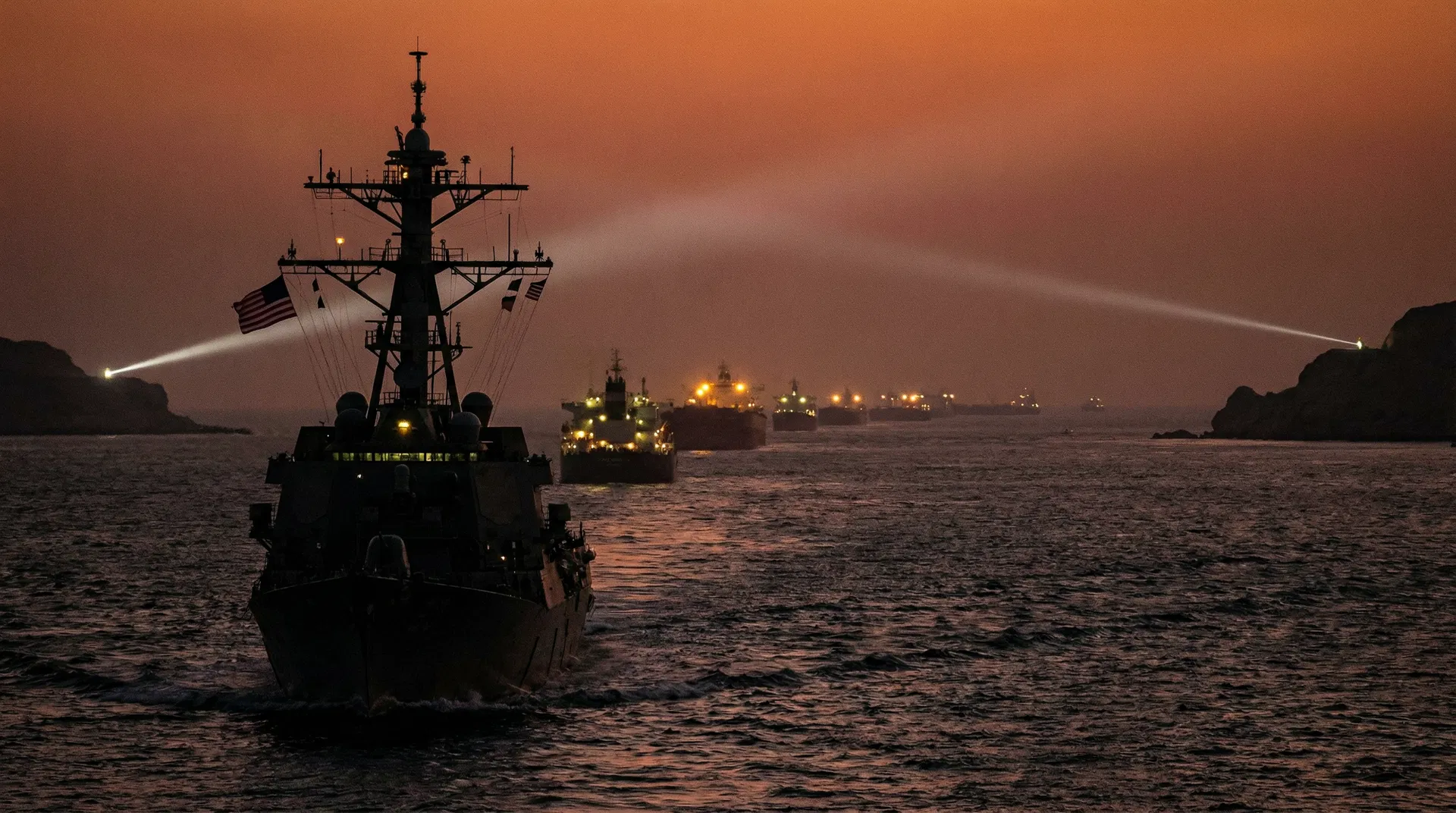
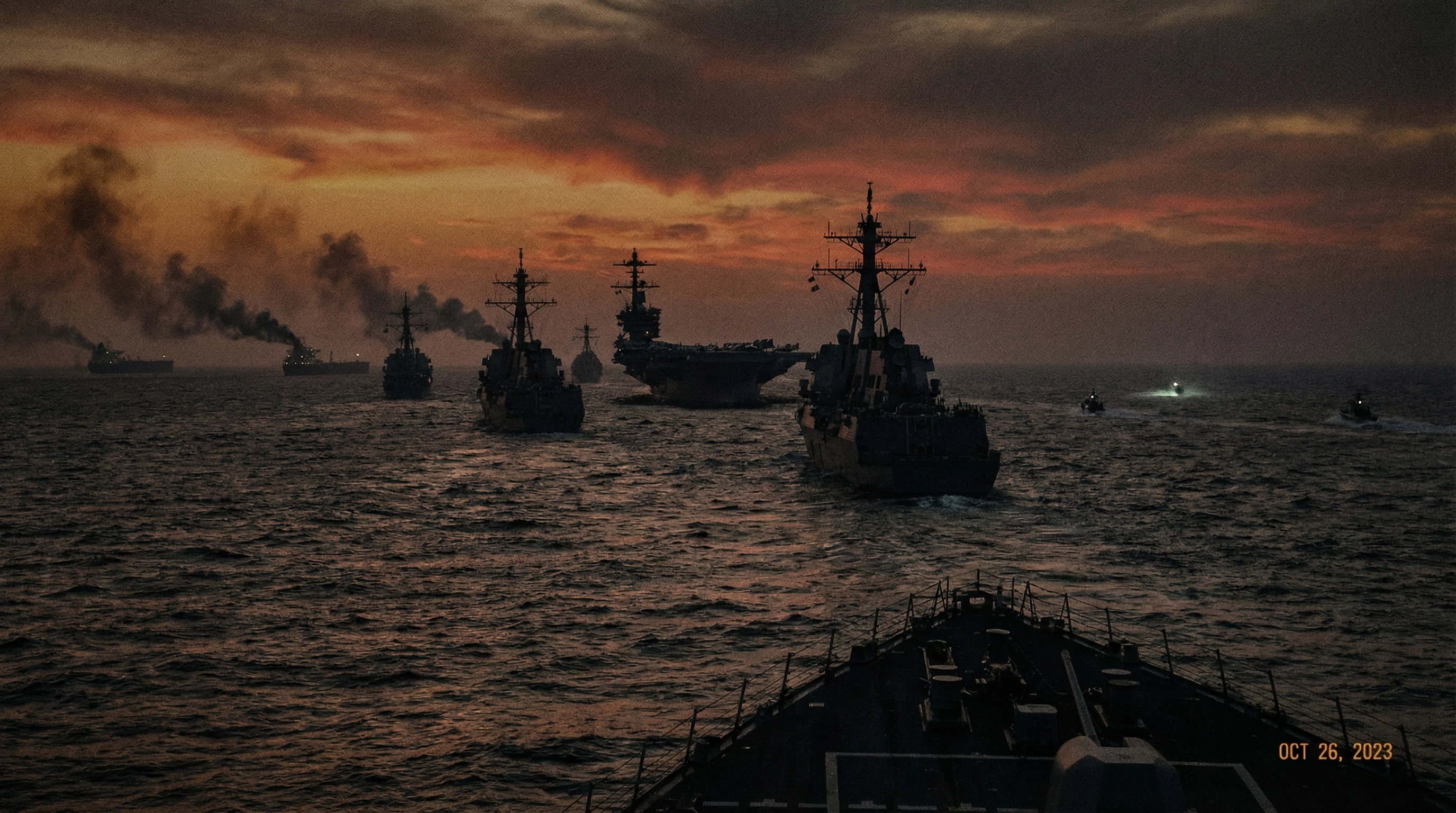
WASHINGTON — President Donald Trump took to Truth Social on Saturday with a proposal that was equal parts strategic vision and political gamble: he called on China, France, Japan, South Korea, and the United Kingdom to send warships to the Strait of Hormuz to escort oil tankers through the Iranian blockade.
"Hopefully China, France, Japan, South Korea, the UK, and others, that are affected by this artificial constraint will send ships to the area so that the Hormuz Strait will no longer be a threat by a nation that has been totally decapitated," Trump wrote.
By Sunday evening, not one of the countries named had committed to sending a single vessel. The response ranged from diplomatic non-answers to outright scepticism — and Iran's Revolutionary Guard delivered the most pointed reply of all.
Brigadier-General Ali Mohammad Naini, an IRGC spokesman, responded directly to Trump's post: "Didn't Trump say that Iran's navy has been destroyed? If so, let him send his ships into the Persian Gulf if he dares." The statement was a reminder that Iran, despite two weeks of intensive US and Israeli airstrikes, retains the capacity for asymmetric naval warfare.
THE ALLIED RESPONSE — China's embassy in Washington said Beijing would "strengthen communication with relevant parties" for de-escalation — diplomatic language that stopped well short of committing warships. The response was particularly significant given that China is the world's largest importer of Middle Eastern oil and has the most to lose economically from a prolonged Hormuz blockade.
France said it was "working on a possible international mission" but stressed that conditions were not yet right. Germany's foreign minister was blunter: "Will we soon be an active part of this conflict? No." Japan and South Korea, both heavily dependent on Gulf oil, issued statements expressing concern about shipping disruptions without committing to military participation.
The United Kingdom, which has historically been willing to participate in US-led naval coalitions in the Gulf, said it was "in discussions" with allies about the situation but declined to commit to specific action.
THE STRATEGIC CALCULUS — The muted response reflects a fundamental tension in the international community's approach to the conflict. On one hand, the disruption to oil supplies is causing real economic pain — crude prices near $100 a barrel, shipping insurance premiums 10-15 times normal rates, and 1,000 tankers stranded in the Persian Gulf. On the other hand, joining a naval coalition in an active war zone carries significant risks.
For China, the calculus is particularly complex. Beijing has maintained economic relationships with both the United States and Iran, and has historically opposed US military interventions in the Middle East. Committing Chinese warships to a US-led coalition would represent a dramatic shift in foreign policy — one that Beijing's leadership appears unwilling to make.
For European nations, the concern is different: the risk of being drawn into a conflict that their publics do not support. European governments are already facing domestic pressure over energy prices and economic uncertainty. Sending warships to the Strait of Hormuz would be politically costly.
THE INDIA EXCEPTION — The one country that has made concrete progress on the shipping crisis is India. Indian External Affairs Minister S. Jaishankar confirmed that New Delhi had successfully negotiated passage for two Indian gas tankers through the Strait of Hormuz on Saturday. "My talking has yielded some results," Jaishankar said. "This is ongoing."
The episode illustrated a dynamic that has emerged over the conflict's first two weeks: Iran is willing to grant safe passage to countries it deems neutral or friendly, while maintaining its blockade against US-aligned nations. India's success suggests that diplomatic engagement with Tehran — rather than military confrontation — may offer a more viable path to reopening the strait.
The Wall Street Journal reported Sunday, citing unnamed US officials, that the Trump administration planned to announce as early as this week that multiple countries had agreed to form a coalition. Whether that announcement will materialize — and whether it will include the major powers Trump named — remained unclear as of Sunday evening.
Related Reports
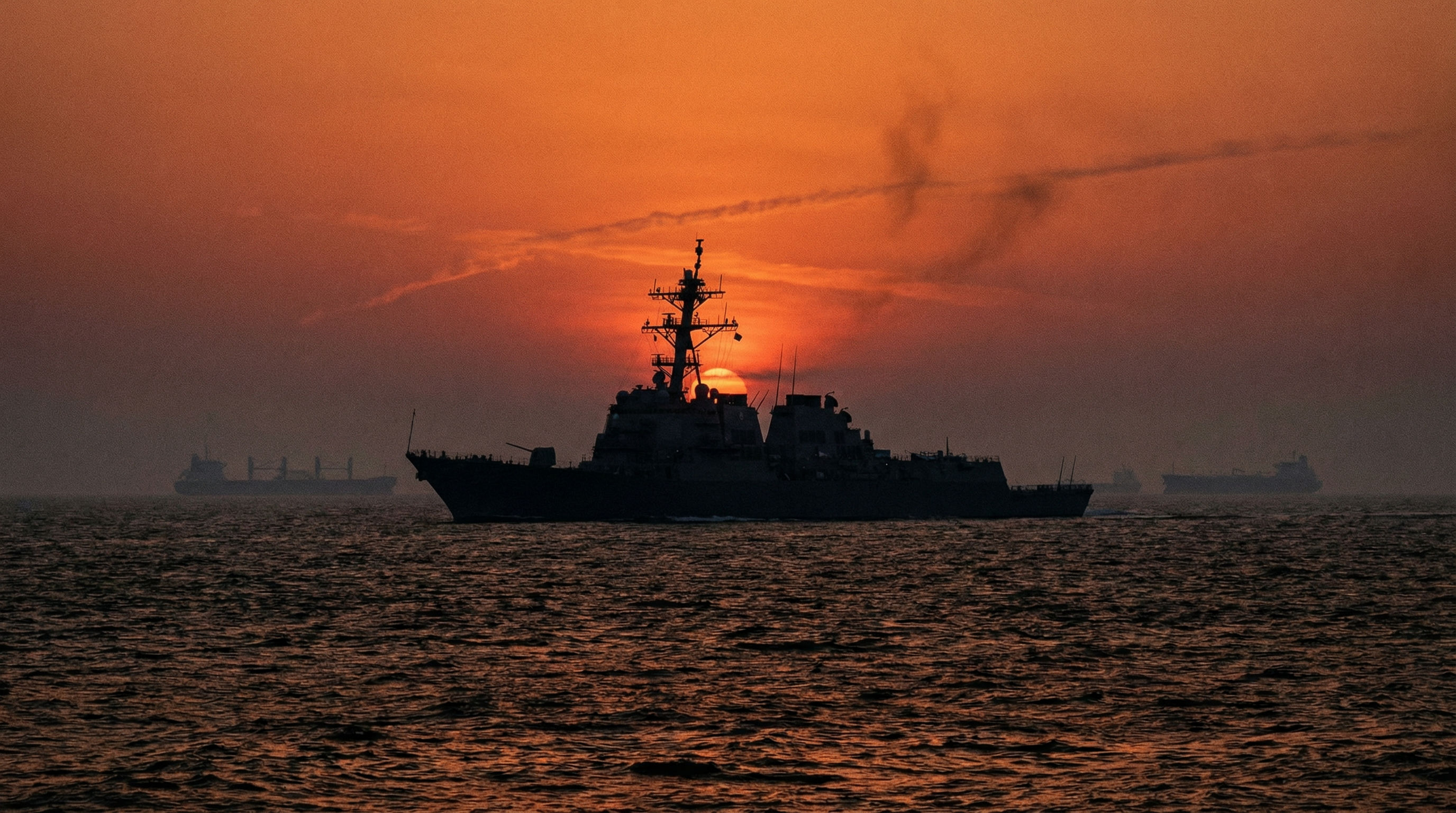
US-Iran Ceasefire Talks Collapse: US Navy Blockades Iranian Ports as Fragile Truce Holds
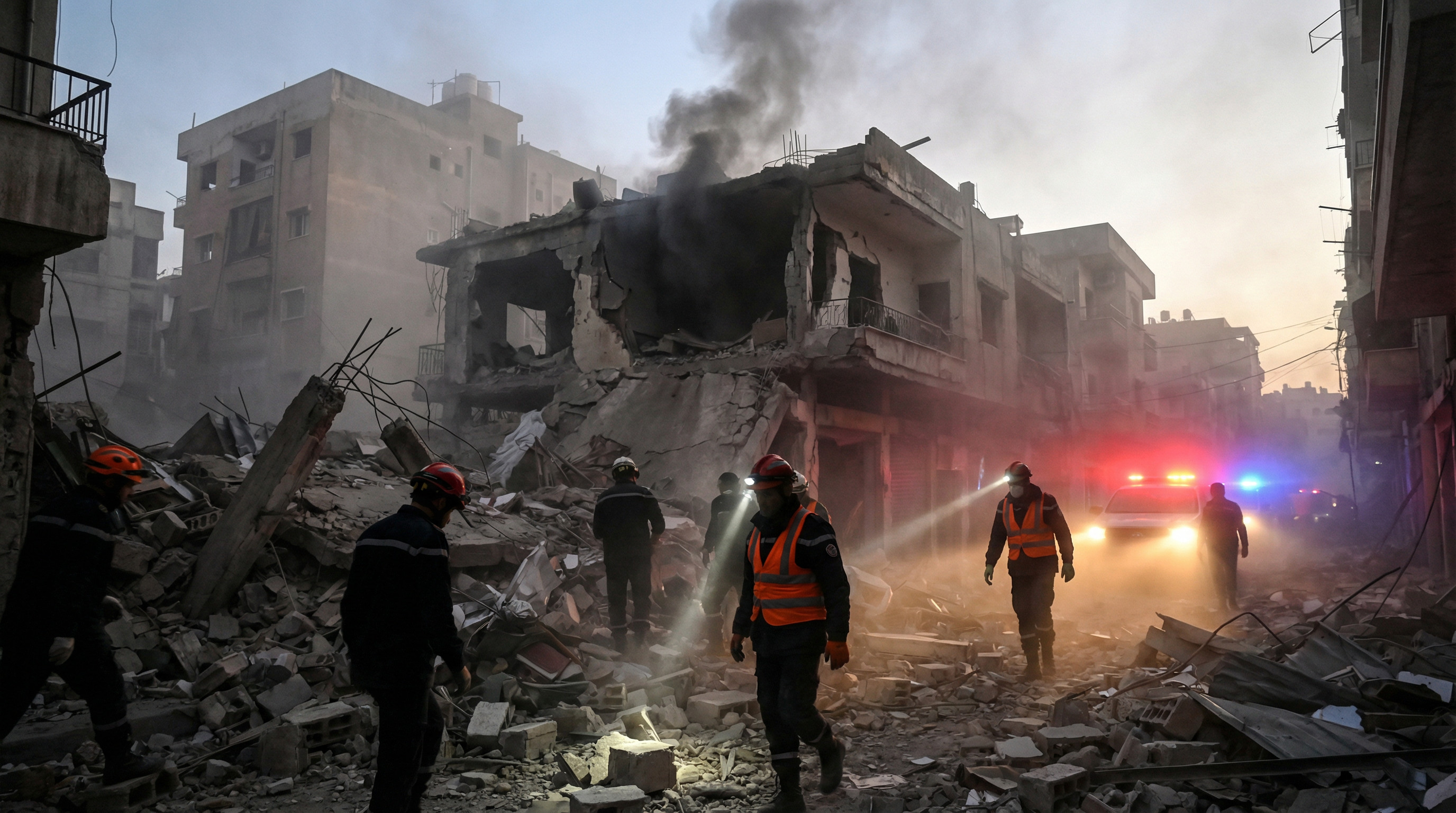
Israel Escalates Lebanon Campaign as Ceasefire Excludes Hezbollah Ahead of Washington Talks