Myanmar Civil War: Sham Elections, Fuel Crisis, and Resistance Forces Rescue Hostages

Myanmar's military junta is holding sham elections while the country descends deeper into civil war. Resistance forces have rescued hostages and gained territory, but a severe fuel crisis is crippling both sides as the conflict enters its fifth year.
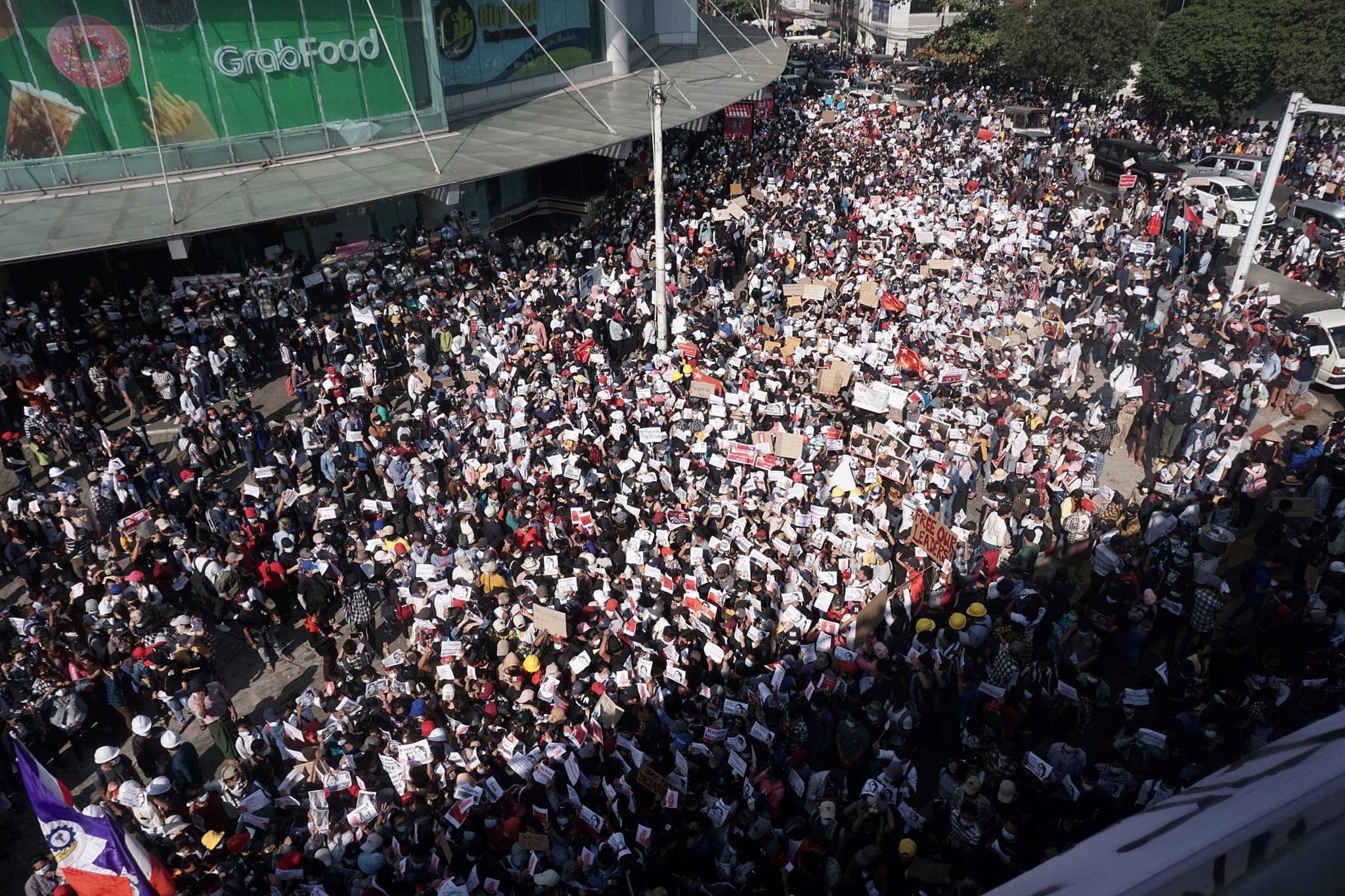
The Myanmar civil war continues to escalate in March 2026, with multiple fronts of conflict testing the military junta's grip on power. The junta held a three-phase general election concluded in January 2026, which the UN, Human Rights Watch, and international observers widely condemned as a sham designed to legitimize military rule under a veneer of democratic process.
Fresh junta airstrikes on a trading junction in Magway region killed over 25 people and wounded 20, continuing a pattern of indiscriminate aerial bombardment that has characterized the military's campaign against resistance forces. The strikes targeted a civilian market area during peak trading hours, maximizing casualties.
A critical new development is a severe nationwide fuel shortage, with the junta rationing fuel for private vehicles across the country. The crisis is directly linked to Middle East shipping disruptions from the Iran war, as Myanmar imports 90% of its fuel oil through supply chains that transit the Strait of Hormuz and the Indian Ocean.
The fuel shortage has crippled transportation, agriculture, and healthcare delivery across the country, with hospitals reporting difficulty operating generators and ambulances. Food prices have risen sharply as transportation costs soar, compounding an already dire humanitarian situation.
In a significant military development, resistance forces rescued hundreds of civilian hostages detained by junta troops during village raids in Sagaing Region. The operation demonstrated the growing capability and coordination of the anti-junta forces, which now include ethnic armed organizations, People's Defense Forces, and defected military personnel.
The Tatmadaw now controls only 72–220 of 330 townships, depending on the measure used, as resistance forces have captured 96 towns since the 2021 coup. The territorial losses represent the most significant challenge to military rule in Myanmar's modern history, though the junta retains control of major cities and key economic infrastructure.
Related Reports

Iran War's Economic Shockwave: Asia Faces Energy Crisis as Oil Tops $106

Myanmar's Sham Parliament Convenes: Military Tightens Grip Five Years After Coup