Conflict in Yemen and the Red Sea Escalates Amid Regional Security Fears

Houthi rebels have escalated attacks on commercial shipping in the Red Sea and Bab-el-Mandeb Strait, forcing major shipping lines to reroute around Africa. The attacks are disrupting 12% of global trade and driving up freight costs worldwide.
The protracted conflict in Yemen has entered a critical phase, with renewed military clashes and rising tensions impacting the strategic Red Sea region. Now in its ninth year, the civil war continues to pose severe humanitarian and geopolitical risks with global ramifications.
Yemen's Houthi rebels, controlling much of the north including the capital Sanaa, have intensified missile attacks targeting southern Saudi border cities such as Jizan and Najran. These provocations have prompted a robust response from the Saudi-led coalition through a series of airstrikes on Houthi-held coastal ports, notably Hudaydah, a key gateway for imports and humanitarian aid.
The Red Sea and the Bab-el-Mandeb Strait stand at the heart of this escalating conflict. This chokepoint is one of the world's most crucial maritime corridors, facilitating approximately 10% of global seaborne oil shipments. As a result, any instability here threatens international energy markets and global trade flows.
Countries bordering the Red Sea, including Egypt and Djibouti, are closely monitoring developments. Both nations rely heavily on the security and stability of these waters for their economies and naval operations. Disruptions to shipping lanes could have devastating regional economic consequences.
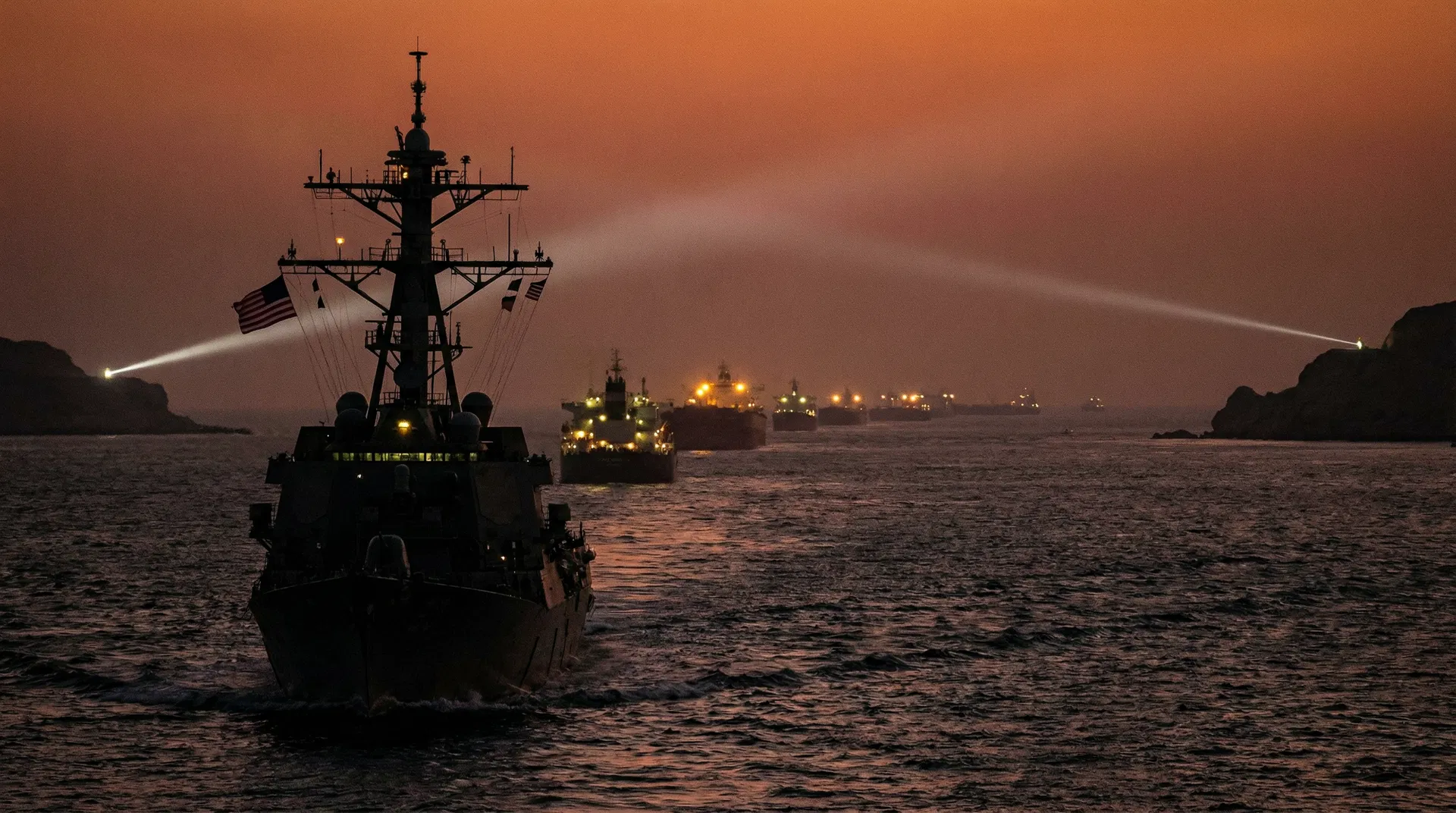
Maritime security concerns have grown amid reported drone and missile strikes on commercial and military vessels in the Red Sea. A US-led international naval coalition maintains a patrol presence, aiming to safeguard critical energy infrastructure and protect freedom of navigation against Houthi threats.
The humanitarian crisis in Yemen worsens in tandem with the fighting. The United Nations estimates over 17 million Yemenis face severe food insecurity, with frequent interruptions in aid deliveries due to the ongoing conflict around vital port cities. The World Food Programme has sounded alarms about potential famine outbreaks should peace talks fail.
International voices call for renewed diplomatic efforts. US Ambassador to the United Nations Linda Thomas-Greenfield emphasized before the Security Council the urgent need for a ceasefire and genuine negotiations to avert further escalation. The UN Special Envoy for Yemen, Hans Grundberg, reiterated that sustained dialogue remains the best hope to end this humanitarian catastrophe.
The complex interplay of military, humanitarian, and maritime factors underscores the fragility of regional stability. Yemen's conflict is no longer a local war but a flashpoint affecting energy security and diplomatic relations far beyond the Arabian Peninsula.
Recent events echo similar maritime chokepoint tensions, reminiscent of crises at the Strait of Hormuz linked to Iran, where threats to shipping have driven global energy prices and regional security concerns. This connection highlights how conflicts in crucial sea lanes are increasingly intertwined with broader geopolitical rivalries.
From the commercial hubs of Dubai to the battle-scarred ports of Yemen, stakeholders face a delicate balancing act. The imperative to maintain secure shipping routes while pursuing peace remains an urgent priority for regional and international actors alike.
Frequently Asked Questions
What is the current status of the conflict in Yemen?
Why is the Red Sea important in the Yemen conflict?
Which countries are affected by the instability in the Red Sea?
What efforts are being made to resolve the Yemen conflict?
Related Reports
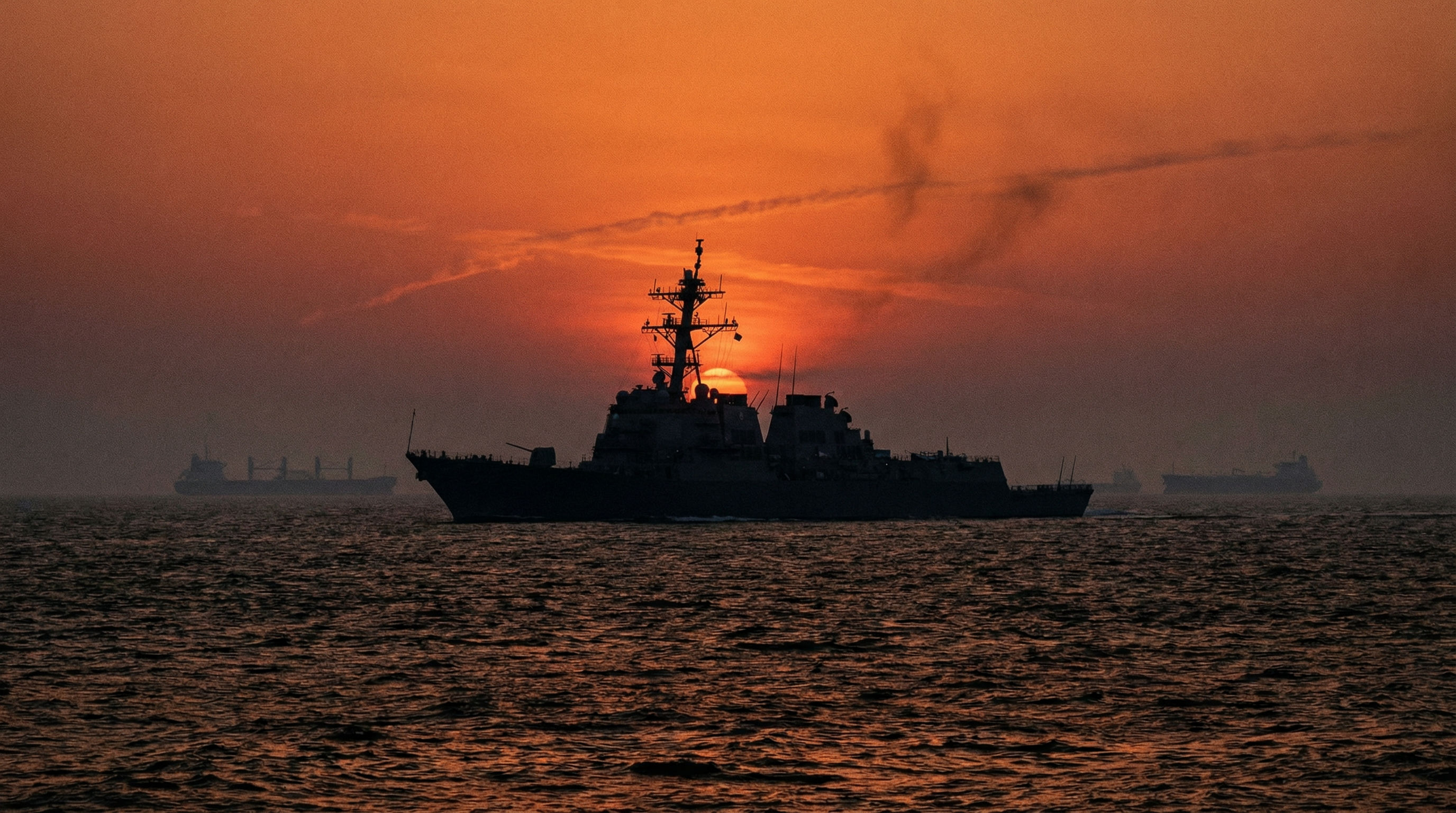
US-Iran Ceasefire Talks Collapse: US Navy Blockades Iranian Ports as Fragile Truce Holds
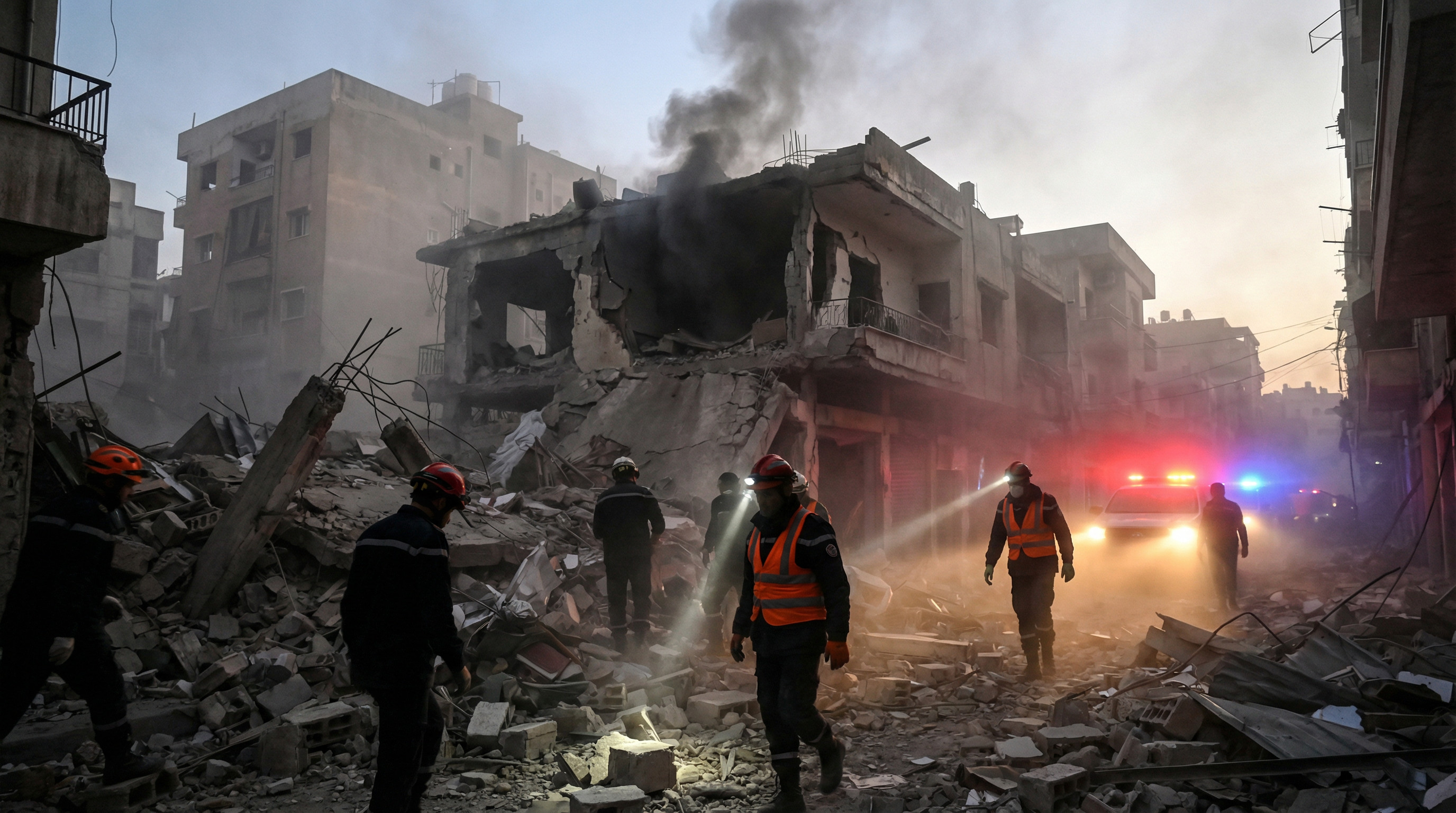
Israel Escalates Lebanon Campaign as Ceasefire Excludes Hezbollah Ahead of Washington Talks