Trump-Xi Beijing Summit: Iran War, Taiwan, and the Battle for Global Order
Trump arrives in Beijing May 14-15 for a high-stakes summit with Xi Jinping covering the Iran war, Taiwan, and trade. The US wants China to cut off Iran's oil lifeline, while Beijing holds leverage as Iran's primary customer and a potential mediator. Taiwan's security and rare earth minerals add further complexity.
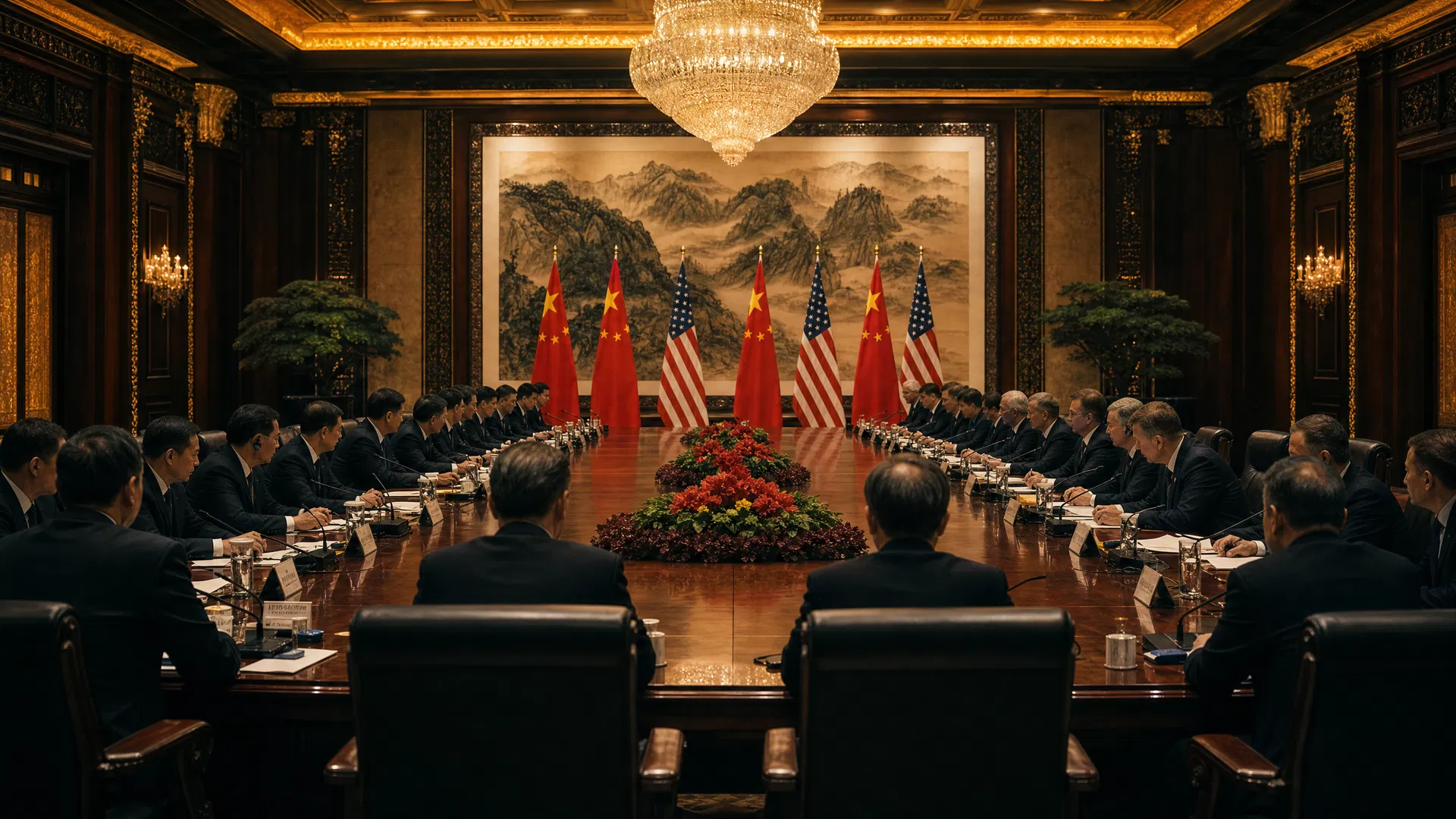
President Donald Trump is set to arrive in Beijing on Wednesday evening for what the White House has called a summit of 'tremendous symbolic significance' — a two-day meeting with Chinese President Xi Jinping that will test whether the world's two most powerful nations can find common ground on the Iran war, Taiwan, and a trade relationship that has become increasingly adversarial.
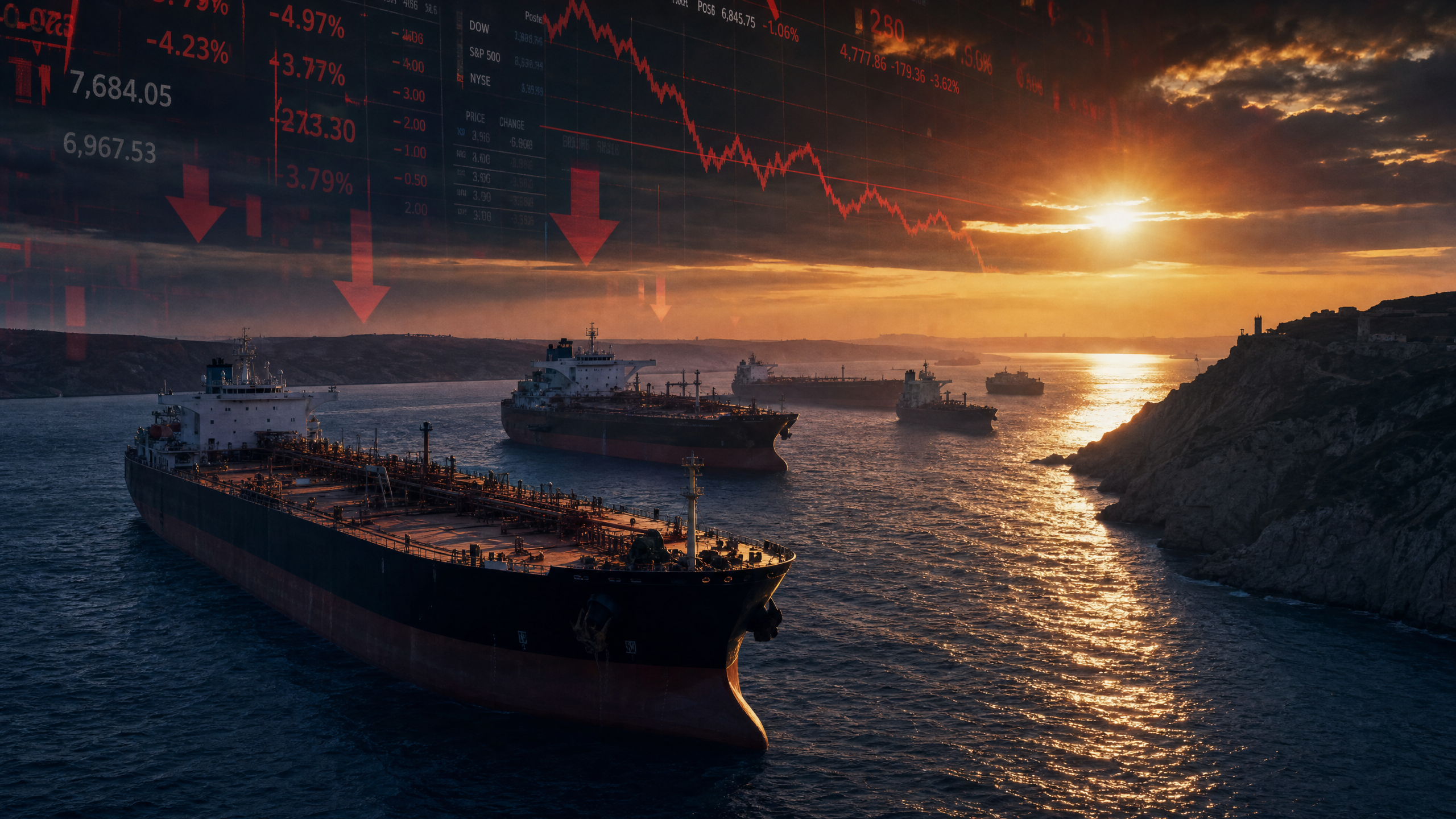
The summit, originally scheduled for earlier this year but postponed in March due to the eruption of the US-Israel war on Iran, comes at a moment of extraordinary global tension. The Iran war has disrupted global energy markets, the Russia-Ukraine conflict grinds on despite a fragile ceasefire, and Taiwan remains a flashpoint that could trigger direct superpower confrontation.
Iran is expected to dominate the discussions. US Treasury Secretary Scott Bessent last week accused China of 'funding' Iran by purchasing 90 percent of its oil exports, calling Tehran 'the largest state sponsor of terrorism.' A senior administration official told reporters that Trump could 'apply pressure' to China on Iran in areas such as oil sales and Tehran's purchase of potential dual-role military-civilian goods.
China, however, has refused to recognize Washington's 'unilateral' sanctions on Iran's oil sector and has positioned itself as a potential mediator. Beijing hosted Iranian Foreign Minister Abbas Araghchi last week and has publicly called for an end to the war and the reopening of the Strait of Hormuz. The disruption to global shipping has hit Asian economies particularly hard, giving China its own incentive to seek a resolution.
Taiwan looms as the summit's most sensitive topic. The anonymous administration official said no change is expected regarding the US stance on Taiwan, but Taipei has expressed concern that Trump may go 'off-script' on the island's fate. China considers the self-ruling democracy part of its territory, and Beijing has made clear that Taiwan will be a 'top priority' in discussions.
Taiwan's legislature recently passed a US$25 billion defense spending bill — short of the $40 billion originally sought by President William Lai — reflecting the island's growing anxiety about its security environment. China conducted its largest military exercises near Taiwan since 2022 earlier this year, and analysts warn that Beijing is closely studying the Iran war for lessons applicable to a potential Taiwan scenario.
Trade and rare earth minerals will also feature prominently. Business executives from Boeing and agricultural companies are traveling with the US delegation, signaling Washington's desire to expand commercial ties even as strategic competition intensifies. China's dominance of rare earth mineral processing — vital for US technology and defense sectors — gives Beijing significant leverage.
The Council on Foreign Relations assessed that China will have 'the upper hand' at the summit, noting that Beijing's economic leverage, its role as Iran's primary oil customer, and its influence over global supply chains give Xi significant bargaining power. The outcome could have major ramifications for the trajectory of the Iran war, cross-strait stability, and the broader geopolitical order.