Iran War Oil Shock Deepens: Brent Surges Past $103 as Global Recession Fears Mount
Brent crude surged past $103/barrel after Trump rejected Iran's peace counteroffer, with nearly a billion barrels lost to the Hormuz closure. Oil averaged $118 in Q1 2026, Asian economies face emergency measures, and the IMF warns of global recession if the strait remains closed through summer.
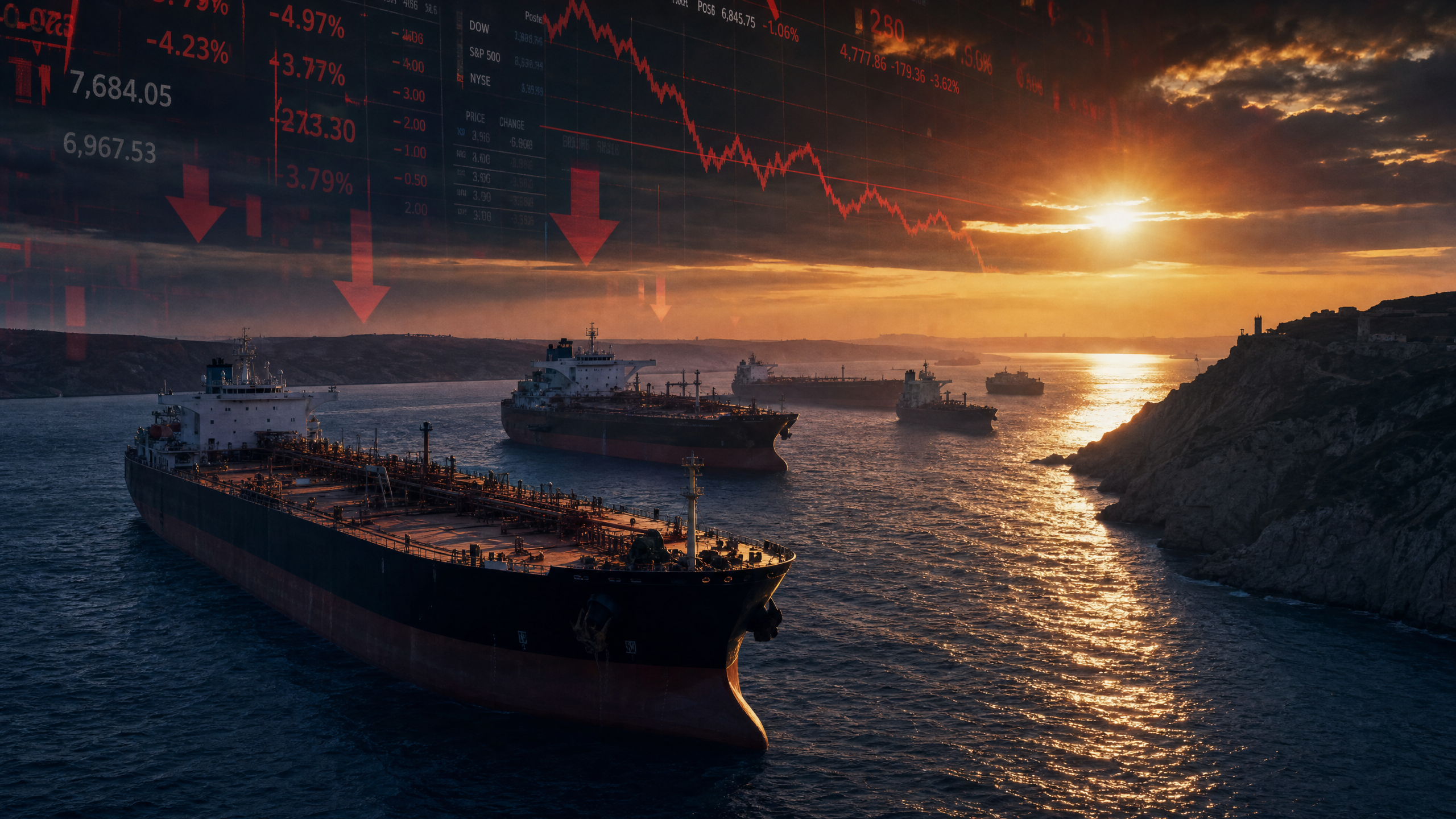
Global oil prices surged past $103 per barrel on Monday after President Trump rejected Iran's counterproposal to end the war, shattering hopes for a quick resolution to the worst energy supply disruption in half a century. Brent crude rose more than 8 percent in early trading as markets digested the implications of a prolonged Strait of Hormuz closure that has already cost the global economy nearly a billion barrels of lost oil supply.
The price spike follows a week of extreme volatility. Oil briefly dropped on May 7 after reports emerged that the US and Iran were close to a deal, sending stock markets soaring. But that optimism evaporated when Trump called Iran's response 'totally unacceptable' on Sunday, triggering the sharpest single-day price increase since the war began on February 28.
The Strait of Hormuz, through which approximately 20 percent of the world's oil and liquefied natural gas supplies flow during peacetime, has been effectively closed since Iran began mining operations in early March. The US naval blockade of Iranian ports, imposed after ceasefire talks collapsed in April, has further restricted maritime traffic. Oil industry executives say the shortage is growing worse every day.
The economic damage is staggering. Oil averaged $118 per barrel in the first quarter of 2026 — nearly double the $60 analysts had forecast before the war. Fuel prices have risen sharply worldwide, with Asian economies that depend on Middle East imports bearing the heaviest burden. Several nations have implemented emergency measures including four-day work weeks and fuel rationing.
The International Monetary Fund has warned that a prolonged closure of the strait could tip the global economy into recession. Manufacturing output has declined across Europe and Asia, supply chains have been severely disrupted, and inflation is accelerating in virtually every major economy. The World Bank estimates the war has already shaved 1.5 percentage points off global GDP growth.
For oil-producing nations outside the conflict zone, the picture is mixed. While some have benefited from higher prices, The Economist noted that 'not all oil giants are prospering from the Iran war,' as disrupted shipping routes and insurance costs have offset price gains for many producers. The restructuring of global energy trade flows — with Asian buyers scrambling for alternative supplies — is creating permanent changes to the market.
The failure of peace talks raises the specter of an even more severe crisis. If the Strait of Hormuz remains closed through the summer, strategic petroleum reserves in major consuming nations will be depleted, potentially triggering fuel shortages in developed economies. Japan, South Korea, and India — all heavily dependent on Gulf oil — face the most acute risks.
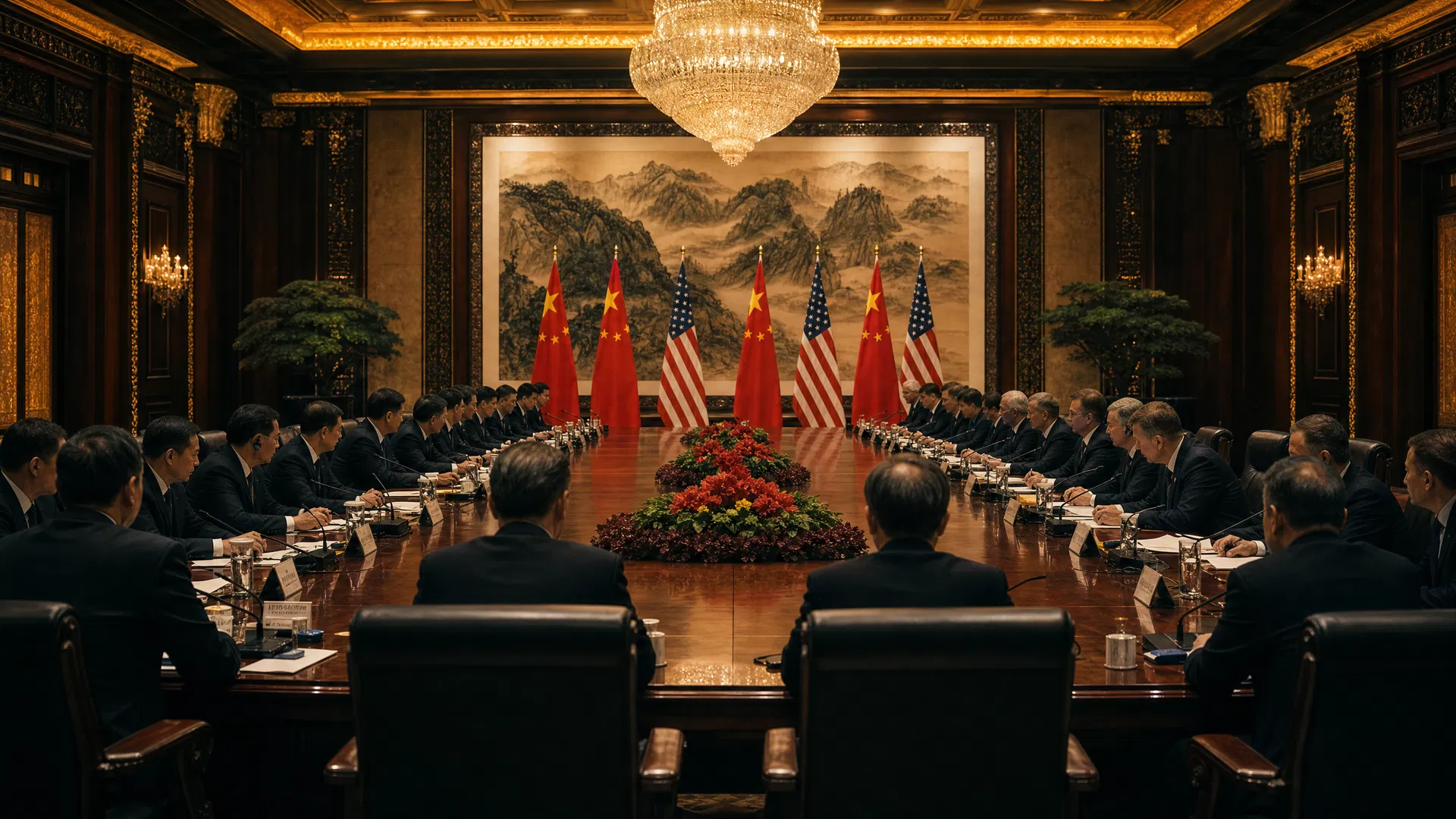
Trump's upcoming summit with Xi Jinping in Beijing on May 14-15 is now seen as a critical juncture. China purchases 90 percent of Iran's oil exports, and Washington hopes to pressure Beijing into cutting off Tehran's economic lifeline. However, China has refused to recognize US 'unilateral' sanctions and has positioned itself as a potential mediator rather than an enforcer of Western demands.