Trump Rejects Iran's Peace Counteroffer as Hormuz Clashes Threaten Fragile Ceasefire
Trump rejected Iran's counterproposal to end the 72-day war as 'totally unacceptable' after US and Iranian forces exchanged fire in the Strait of Hormuz. Oil surged past $103/barrel as the month-old ceasefire shows signs of total collapse, with both sides blaming each other for violations.
President Donald Trump on Sunday soundly rejected Iran's counterproposal to end the war, calling Tehran's response to the US 14-point peace plan 'totally unacceptable' and warning of intensified military action if a deal is not reached quickly. The rejection came hours after US and Iranian naval forces exchanged fire in the Strait of Hormuz in what analysts described as the most serious escalation since the ceasefire took effect on April 8.
Iran's response, delivered through Pakistani mediators on Saturday, reportedly demanded an immediate end to the US naval blockade of Iranian ports, the withdrawal of all US carrier strike groups from the Persian Gulf, and compensation for civilian casualties — conditions the White House dismissed outright. 'I have just read the response from Iran's Supreme Leader and I don't like it,' Trump wrote on Truth Social. 'Their demands are totally unacceptable.'
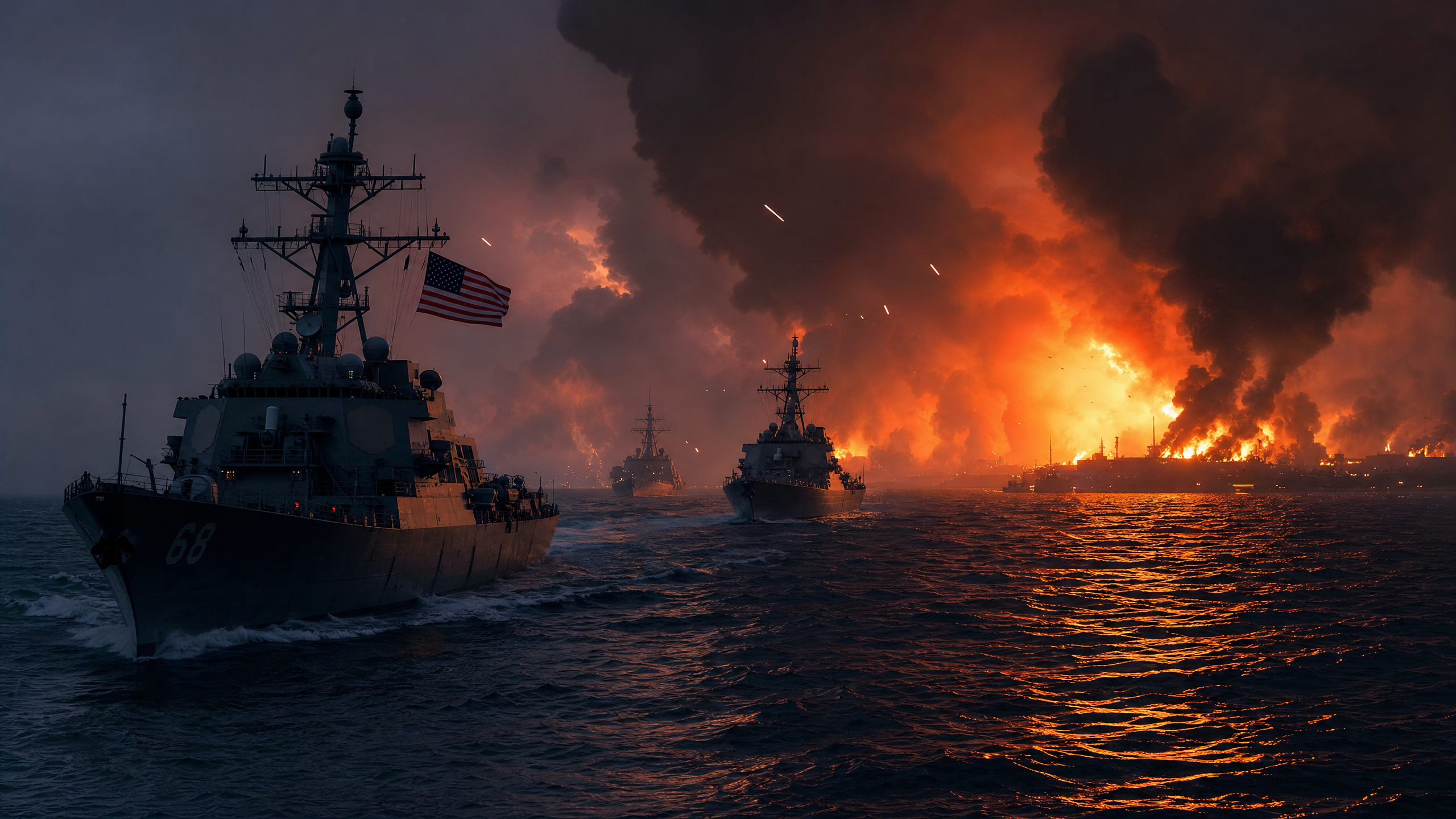
The diplomatic breakdown coincided with a dangerous military flare-up on Thursday, May 8, when three US Navy destroyers came under fire while transiting the Strait of Hormuz. Trump claimed the ships suffered 'no damage' while inflicting 'great damage' on Iranian attackers. However, Iran's joint military command accused the US of first targeting an Iranian oil tanker and striking civilian areas on Qeshm Island, a strategic point at the entrance to the strait.
The exchange of fire sent oil prices surging more than 8 percent, with Brent crude crossing $103 per barrel on Monday morning as markets reacted to the collapse of peace hopes. The Strait of Hormuz, through which one-fifth of the world's oil and liquefied natural gas supplies are shipped during peacetime, has been effectively closed since Iran began mining operations in early March.
Ali Vaez, director of the Iran Project at the International Crisis Group, told Al Jazeera that both sides face a difficult choice: 'The US is trying to loosen Iran's chokehold upon the Strait of Hormuz while Iran remains determined to push back. Both sides would either have to make painful concessions or leave the main areas of disagreement vague if they are to finalise a framework understanding.'
The war, which began on February 28 with joint US-Israeli airstrikes on Iran's nuclear and military infrastructure, has now entered its 72nd day. Despite the April 8 ceasefire brokered by Pakistan, hostilities have never fully ceased, with Iran continuing to target US military assets and infrastructure in Gulf countries, particularly the UAE. Earlier this week, Iranian missiles struck an oil refinery at the port of Fujairah in the UAE.
Former US diplomat Donald Jensen characterized the latest naval clash as a 'controlled escalation' rather than 'mere skirmishes,' arguing that both nations are 'trying to show their resolve' while attempting to settle on a framework. However, he cautioned that broader diplomatic goals, 'especially regarding the nuclear programme in Iran, will have to be put aside for the time being' as the priority shifts toward reopening the strait.
The rejection of Iran's counteroffer now raises urgent questions about what comes next. Trump is scheduled to visit Beijing on May 14-15 for a summit with Chinese President Xi Jinping, where the Iran war is expected to dominate discussions. The US has accused China of 'funding' Iran by purchasing 90 percent of its oil exports, and Washington hopes to leverage the summit to pressure Beijing into cutting off Tehran's economic lifeline.